California General Election 2026
Voter Guide

California Governor
former Attorney General, former Biden health secretary; a single-payer supporter for decades who now says he will expand coverage instead. Steve Hilton (R): Fox News host, Trump-endorsed; wants a flat tax above $150,000, police-led clearing of every encampment, no AI regulation, and an end to greenhouse gas mandates. My vote: Xavier Becerra. Clear winner. Becerra told the doctors’ association he would not push single-payer as governor. His record is clean: fifty-plus lawsuits against the Trump administration, a sanctuary law defended, a promise to use emergency powers to finance 40,000 already-approved affordable units. Not a perfect governor fit as he opposes Prop 40, but still the clear winner. Hilton is opposed to me on every item. He wants suburban single-family homes over density (more for the wealthy), police drones over care teams, reopened prisons over lighter sentencing. The choice is a cautious Democrat who won’t say what he’ll do vs. a Republican who has said exactly what he’ll do. I’m voting for the one I can push.

California Lieutenant Governor
has been Treasurer since 2019 and launched the Dream for All down payment program. Gloria Romero (R): is a former Democratic Senate leader who switched parties in 2024 and is running as Hilton’s ticket-mate. Shady. We don’t love switching sides when it favors you politically, Romero. My vote: Fiona Ma. Labor-backed, a housing finance record, and an opponent endorsed by the group behind the voter ID measure. Regardless, this office has little power to misuse.

California Secretary of State
the incumbent, oversaw permanent universal vote-by-mail. Don Wagner (R): is an Orange County supervisor who supports voter ID and pushed to hand voter data to Trump’s Justice Department. My vote: Shirley Weber. The counts are slow. The alternative is a man who wanted to give your registration to the DOJ.

California Controller
the incumbent, cleared a years-long backlog of the state’s annual financial report. In 2022 she promised to scrutinize homelessness spending; CalMatters reports she didn’t but better than the alernative. Herb Morgan (R) founded an investment firm and is running on exactly that audit. My vote: Malia Cohen. This is the one race where the Republican’s pitch is something I’ve said myself. I don’t trust how Los Angeles has spent its homelessness money, and a 2024 state audit found the state can’t track it either. But Morgan’s fraud message arrives in lockstep with a federal administration leveling the same charge for its own reasons. Cohen gets the vote and some feedback from me: do what you say you’re going to do this time.

California Treasurer
is the sitting lieutenant governor, a former ambassador, and the former president of her father’s Sacramento development firm. Jennifer Hawks (R) : is a retired tech executive and party activist with no record in office. My vote: Eleni Kounalakis. Developer wealth and the landlord lobby’s $75,000 in outside support are not what I want in the person handing out housing credits but Hawks offers nothing to weigh against it. Least-bad.

California Attorney General
the incumbent, sued cities for sharing license plate reader data with out-of-state and federal agencies. Michael Gates (R) : was Huntington Beach’s city attorney, fought state housing law there, and briefly ran a Trump DOJ case targeting California’s voter rolls. My vote: Rob Bonta. The strongest fit on the statewide ballot. He hasn’t opposed plate readers themselves, but he’s the only candidate on my ballot who has sued anyone over them, at least he’s trying to do something.

California Insurance Commissioner

California State Board of Equalization · District 3
lead organizer for the LA community college faculty union; ran Sanders’ 2020 campaign in the Inland Empire. His campaign fundraised only $50,600 from small donors almost all under $250. My vote: Samuel Sukaton. Oil, tobacco, big tech, and police unions on one side; a union organizer and his neighbors on the other. The seat barely matters, which is exactly why it should go to someone who isn’t being paid to hold it.
California State Senate · District 24
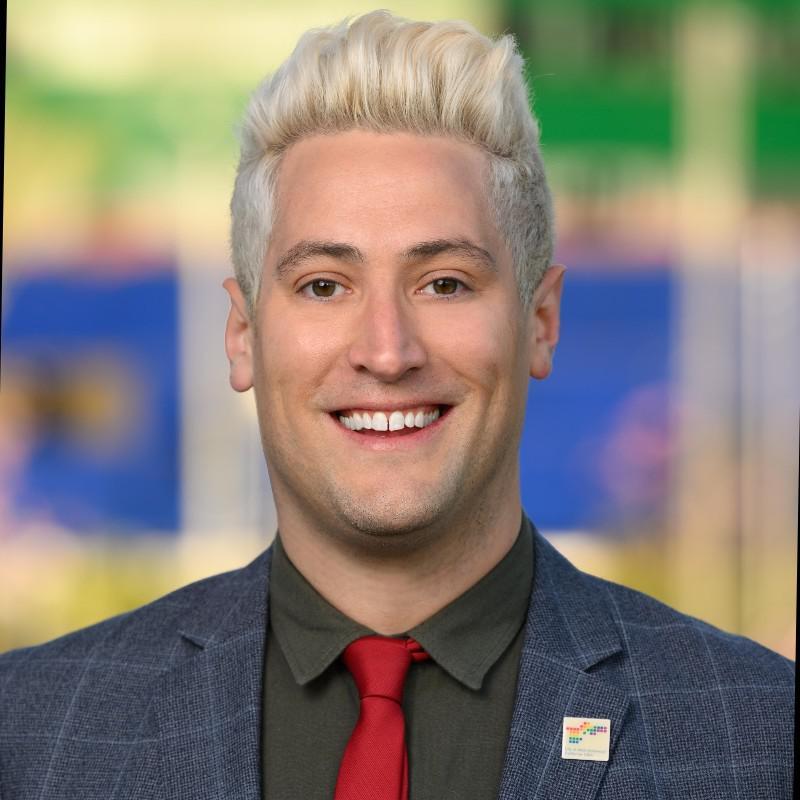
is a West Hollywood council member who voted against the city’s Flock camera contracts both times, supports single payer and SB 79, and finished first in the primary while being outspent five to one. Brian Goldsmith (D) is a tech founder and former adviser to Democratic Majority for Israel who put $1.5 million of his own money into the race; a committee funded by his family and the California Jewish PAC has spent $2.6 million more, and tech PACs backed by Chris Larsen and Tim Draper added $2.2 million. My vote: John Erickson. This one was decided on surveillance. Erickson is the only legislative candidate on my ballot with a recorded vote against Flock. He is not pure: his own site credits him with West Hollywood’s drones and real-time watch center, and I’d rather it didn’t. But Goldsmith supports Flock “if the data is protected,” opposes the state’s transit up-zoning law, and is running on money that reads like a list of things I’m against. Local, labor-funded, on the record. Done.
California State Assembly · District 51
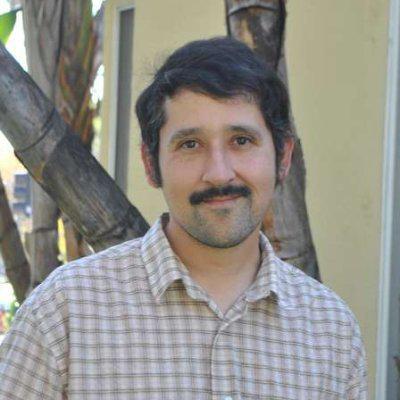
is a 35-year-old communications strategist running on CalCare, social housing, and repealing Costa-Hawkins, with $10,300 raised and no corporate money. My vote: Colin Hernandez. Zbur won the primary 54 to 21 and will win again, I know. What decided it is Zbur’s record on the two things I care most about in Sacramento: he fought the density bill and sat out the rent cap. I’m not voting for that twice.

California Superintendent of Public Instruction
spent eighteen years on the San Diego school board and built staff housing there; the teachers’ union has spent $5 million on his behalf. Sonja Shaw chairs the Chino Valley board, had the current superintendent removed from a meeting during a fight over transgender students, and is endorsed by Moms for Liberty. My vote: Richard Barrera. His opponent’s campaign is outing kids. Hard stop.
Los Angeles City Mayor
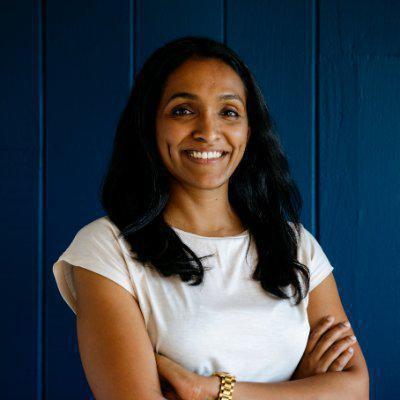
elected to city council in 2020 with DSA support, who endorsed Bass and then filed against her hours before the deadline, citing police funding, the cost of Inside Safe, and a city focused on hosting the Olympics instead of building housing. My vote (if I had one): Nithya Raman. Bass handled the homelessness money poorly, and a 2024 state audit says nobody can account for the money that “disappeared”. Raman is the only candidate running on housing as the fix rather than enforcement as the fix.
Los Angeles County Sheriff
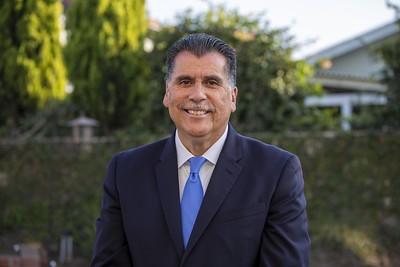
the incumbent, a former Long Beach police chief. On his watch, the Attorney General sued over jail conditions and the DOJ opened an investigation into Men’s Central Jail; he has at times refused oversight commission subpoenas, and the department has not adopted the ban on sharing plate data with federal agencies that the supervisors asked for a year ago. Alex Villanueva : was sheriff from 2018 to 2022. He defied oversight subpoenas in court, called deputy gangs a “political buzzword,” opened investigations into a reporter and a county supervisor who criticized him, and is on the county’s do-not-rehire list after a panel found he violated harassment policy. The county Republican Party endorses him. My vote: Robert Luna. Neither man opposes license plate readers, I checked. Luna runs an agency I’d like to see shrink. Villanueva ran it as a personal grudge. Least-bad, with no hesitation about which one.
Los Angeles Community College District Board · Seat 2
Labor-backed incumbent with an actual record (he moved the district’s 100% clean-electricity resolution) against a field with none. He chairs the committee that canceled a $150 million student housing bid in September amid allegations I couldn’t get the details on.
Los Angeles Community College District Board · Seat 4
Community health clinic officer, teaches at Santa Monica College, the faculty union’s pick. Thin evidence; the right kind.
Los Angeles Community College District Board · Seat 6
The faculty union broke with Buelna, a sitting trustee, to spend $141,000 on Randall Winston, Karen Bass’s deputy mayor for infrastructure. I never found out why. What I do know is that Buelna has a record, with housing and immigrant students at the top of it, and that a senior Bass appointee is not a credential I’m rewarding this year. Action over rhetoric.
Los Angeles County Superior Court Judge - Office 131
Thirty years as a public defender, endorsed by the Working Families Party, La Defensa, and Knock LA. The record was enough.
Los Angeles County Superior Court Judge - Office 64
A career prosecutor backed by the LAPD and deputies’ unions, which I don’t love, but she holds the only Well Qualified rating in these four races and the county Democratic Party’s endorsement. Her opponent, a 25-year public defender, is the better fit for my sentencing views; the rating gap decided it.
Los Angeles County Superior Court Judge - Office 65
Two former public defenders, both rated Qualified, and Knock LA calls it a tie. Reitano spent three years defending children and now advises the county on alternatives to incarceration. A coin flip I’m at peace with.
Los Angeles County Superior Court Judge - Office 87
The lower-rated candidate, and I know it; his opponent A.J. Bayne is well-qualified with 25 years as a public defender. DeJute is a Harvard-trained former federal prosecutor and Sony litigation executive, a member of the LGBTQ community, and endorsed by Stonewall and the county Democrats. This is a personal vote for who I want on a West Hollywood bench.
Recommended: vote no
A yes vote sends contract disputes for deputies, firefighters, lifeguards, coroner staff, and civilian sheriff and fire employees—about 17,000 people—to a three-person panel whose decision is final. Neither the Board of Supervisors nor voters can reject it. It also bans strikes by covered workers and has no end date. A no vote costs these unions nothing they have now. A yes vote moves the largest enforcement budget in the county out of reach of the people we elect, permanently, at the deputies’ request. The firefighters deserve better than to be the human shield.
Recommended: vote yes
A yes vote locks an independent county ethics commission into the charter, gives them subpoena power, fines up to $15,000, a guaranteed budget, and permanently restores a 10% set-aside fund of flexible county money for community investment and alternatives to incarceration, which is scheduled to expire. These are two of my priorities in one measure, and nobody filed an argument against it. The Daily News objects to bundling, and the League of Women Voters asked for the two parts to be split. Fair. I’m voting yes on both.
Recommended: vote yes
It’s a City of Los Angeles measure on your West Hollywood ballot because we’re inside LAUSD. My vote: Yes ✅ A yes vote replaces the school board’s separate campaign finance rules with the mayor’s rules and lets the City Council adjust them by ordinance.
Recommended: vote yes
A yes vote lets the state borrow $11.25 billion: $10 billion for affordable rental housing, supportive housing, and down payment help, and $1.25 billion for veteran home loans that veterans repay themselves. The General Fund pays $500 to $600 million a year for about 25 years. The Legislative Analyst’s Office estimates up to 40,000 rental units and up to 40,000 households helped into ownership. My vote: Yes. This is what bonds are for—long-lived assets, in this case rentals that stay affordable for 55 years, paid for across the years people live in them. The honest caveat is the price: by my arithmetic the state subsidy runs about $180,000 per rental unit before other funds come in, and only $200 million of the bond goes toward figuring out why we build so expensively. Nobody filed an argument against it. We need the units anyway.
Recommended: vote yes
A yes vote raises the cap on the state’s reserve from 10% to 20% of General Fund taxes, extends extra debt payments to 2040, and stops reserve deposits from counting against the spending limit. Budget reserves go up; spending in boom years goes down. My vote: Yes. The programs that get cut first in a downturn are health and schools. A bigger cushion protects them. The trade is real—money saved is money not spent on a good year—but California’s revenue swings with the stock market, and 2009 is not that long ago. Low stakes, easy yes.
Recommended: vote yes
A yes vote makes the top income tax rates from 2012 and 2016 permanent instead of letting them expire in 2031. It applies to individuals earning over $371,000, adjusted for inflation, and keeps $5 to $15 billion a year flowing, roughly 40% of it to schools and community colleges. My vote: Yes. The teachers’ union put $33.4 million into this and nobody put a million against it, which tells you how the fight went. The revenue is volatile because rich people’s income is volatile. Still, it is a tax on the top 2% that funds the schools the other 98% use. In 2026 that shouldn’t feel like news.
Recommended: vote yes
A yes vote repeals a 1988 ban on state and local governments offering public funding for candidates. It creates no program; it lets cities and the state build one. It also raises penalties for illegal foreign contributions. My vote: Yes. I think super PACs should be illegal, and this does not touch them. What it does is remove a 38-year-old prohibition on the one alternative to private money we have. The League of Women Voters and the nurses are for it; Howard Jarvis is against it. That pattern recurs on this ballot. Learn it now.
Recommended: vote yes
A yes vote removes the replacement question from recall ballots. If a governor is recalled in the first two years, there is a special election; after that, the lieutenant governor takes over. Other statewide officers are replaced by gubernatorial appointment. My vote: Yes. In 2003 a governor was removed and replaced by a plurality winner in a 135-candidate field. The current system invites that again. The argument against is that we the voters lose a direct say in replacing our representative, not democratic. Nobody raised a dollar on either side, and September polling had it losing 35 to 59, so this is a vote of principle. Mine is that an elected official beats a recall circus.
Recommended: vote yes
A yes vote authorizes up to $25 billion in bonds for second mortgages covering up to 17% of the price of a newly built home under about $1.5 million. Buyers put 3% down, must live in the home, and must meet income limits. Mortgage payments repay the bonds; the state pays nothing. This is the one bond on the ballot with no taxpayer cost and a supply requirement baked in: the home has to be new. Builders who accept union labor standards get looser construction-defect rules, which is why the carpenters and the nurses signed on, and why the League of Women Voters did not (the loan terms are set later, by the housing finance agency, not in the text). Buyers carrying 97% debt is a risk the bondholders eat, not us. More homes. I’ll take it.
Recommended: vote no
A yes vote borrows $8.4 billion for immunology and immunotherapy research. Half goes to a single UC-affiliated nonprofit institute; half goes to grants chosen by a council drawn from its own member organizations. The General Fund repays $500 to $600 million a year for about 20 years. I have a personal stake in immunology research and I wanted to vote yes. Then I read CalMatters’ finding that the eligibility rules for the $4.2 billion institute fit exactly one institution, the California Institute for Immunology and Immunotherapy, whose co-founder and board chair put at least $8.2 million into the Yes campaign. The stem cell bond took 21 years to produce a first approved therapy. Real science would come of this. So would a $10 billion repayment for a structure written by its beneficiary.
Recommended: vote no
A yes vote requires government ID to vote in person and requires mail voters to write the last four digits of a designated ID number on the envelope, or the ballot is thrown out. It also orders officials to verify every registered voter’s citizenship against government databases. Cost: tens of millions to low hundreds of millions a year. Thirteen of the sixteen million ballots cast in California in 2024 were mail ballots. This creates a new reason to reject them. The money is Richard Uihlein ($17 million) and Airbnb co-founder Joe Gebbia ($8 million), and CalMatters reports the donors see California as a test run for swing-state measures. Running every voter through government databases is the kind of mass data matching I oppose when a city does it with license plates. I’m not voting for it on envelopes.
Recommended: vote yes
These propositions are the most important on our ballot, we have to consider them altogether. Prop 40 ✅ is a one-time 5% tax on California billionaires, with 90% of the revenue going to healthcare. This is one-time money for an ongoing need, and the residency date will be litigated for years. Prop 41 🚫🚫🚫 voids any new state tax that exempts its revenue from the spending limit, which Prop 40 does. Prop 42 🚫🚫🚫 bans any new state tax on personal property (stocks, business stakes, everything a billionaire owns that isn’t land) and any retroactive tax, which is Prop 40. If 41 or 42 passes with more votes than 40, 40 dies. Either one is enough. We’re taxing our billionaires. But 41 and 42 are not tax policy. They are a $156 million insurance policy, and 42 permanently bars the Legislature from ever taxing wealth without another statewide vote. The people spending a quarter of a billion dollars to beat this bill have told me exactly what it’s worth.
Recommended: vote no
A yes vote raises the threshold for our taxes from a simple majority to two-thirds, starting January 1, 2027. This means if we ever want to tax billionaires again, it will take 3/4 of a vote, instead of the current 1/2 with prop 40. This was a last-minute proposition funded by Peter Thiel to make doing this more difficult in the future. That tells me everything. A two-thirds vote is how you make sure voters can never fund anything again.
Recommended: vote no
A yes vote requires nonprofit community health clinics to spend 90% of revenue on “program services” or pay the shortfall to the state as a penalty. Clinics average about 80% today, so most would be penalized. My vote: No. Every pediatrician and family doctor group in the state says no. So do I. This is the hardest one for me, because the only funder is United Healthcare Workers West, the same union behind Prop 40, and I’m voting with them there. But the clinic association’s study (an advocacy source) projects $1.7 billion in first-year penalties, the Legislative Analyst believes that this might cause clinics to “close instead,” and the union ran this exact bill in the Legislature last year and lost. A ballot measure that closes safety-net clinics to win a bargaining fight is not healthcare policy.
Recommended: vote no
Joe Rap's endorsements for the November 3, 2026 election, from their published voter guide: https://thatjoerapkid.substack.com/p/2026-california-voter-guide, opens in new tab (published 2026-10-13).
former San Francisco supervisor, Bernie Sanders’ 2020 state political director. Her platform is state-run disaster insurance funded from existing premiums, a public option for auto, frozen rates while a claim is open. We need funding for disasters in CA. Ben Allen (D): my state senator for twelve years. Authored the 2024 climate bond and a 2026 law expanding the commissioner’s enforcement power, but takes a lot of money from outside interests: $~3+ million: Realtors, Comcast, Fox Corp., Rick Caruso and from a committee funded by crypto billionaire Chris Larsen— the same dude who gave $5 million to kill Prop 40. My vote: Jane Kim. Allen has a better record, and I almost went with it. But the Chamber spent $1.5 million to stop Kim, Larsen spent $1 million to help Allen, and I believe the people spending money know what they’re buying. Consumer Watchdog says her public disaster fund could be wiped out by one fire, and she concedes it needs study. Fine. What a commissioner actually controls is rate review and whether insurers are afraid of her. I’m picking the one they’re afraid of.
A yes vote creates an optional faster environmental review track for “essential” projects: data centers, housing, transportation, water, clean energy. My vote: No. Sounds good but this one will largely send funding to data centers in our state, which most of us are against. I want more density in West Hollywood, sure, but not at the cost of this money being used the wrong way. Brin and Doerr’s committee (folks behind data center construction) put in $10 million. PG&E and Edison put in $4.3 million between them. When the utilities and the data center money line up on one side, I’m on the other.