California General Election 2026
Voter Guide
The Howard Jarvis Taxpayers Association's 2026 Voting Guide for the California Statewide General Election provides recommendations on statewide ballot propositions, local tax measures and HJTA-PAC candidate endorsements for the November 3, 2026 General Election. Review HJTA's recommendations below or download the printable 2026 Voting Guide.

California Governor

California Secretary of State

California Controller

California Treasurer

California Attorney General

California State Board of Equalization · District 1

California State Board of Equalization · District 2

California State Board of Equalization · District 4
California State Senate · District 10

California State Senate · District 20
California State Senate · District 22
California State Senate · District 28
California State Senate · District 32

California State Senate · District 34

California State Senate · District 36
California State Senate · District 38
California State Assembly · District 21
California State Assembly · District 28
California State Assembly · District 34

California State Assembly · District 40
California State Assembly · District 42

California State Assembly · District 44
California State Assembly · District 45
California State Assembly · District 46
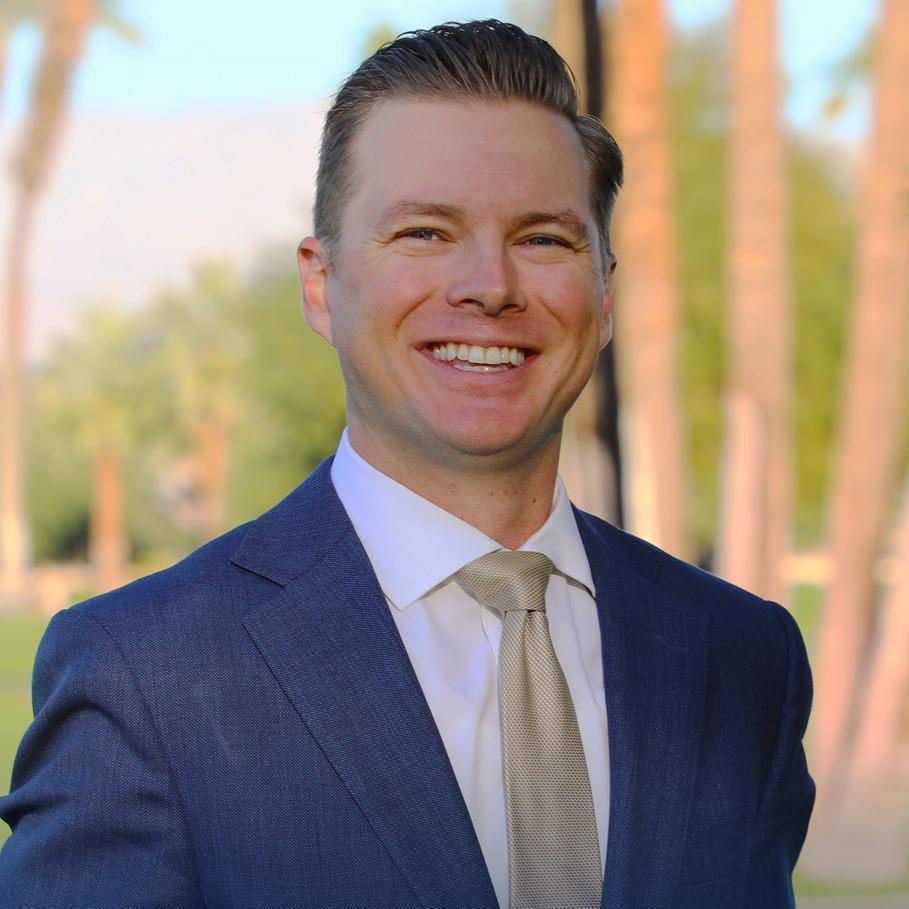
California State Assembly · District 47
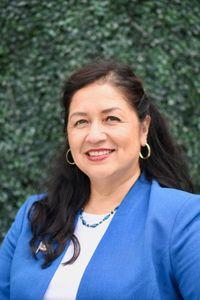
California State Assembly · District 54
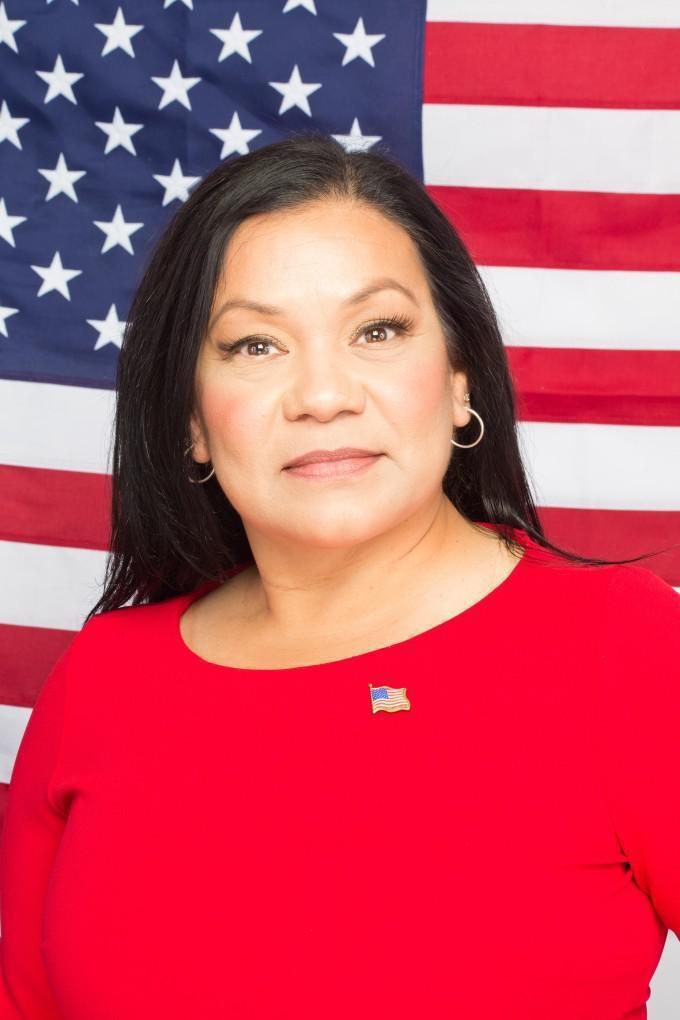
California State Assembly · District 58
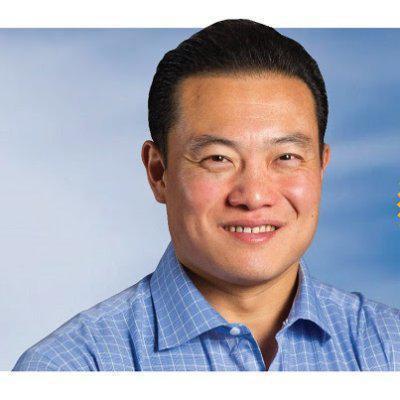
California State Assembly · District 59
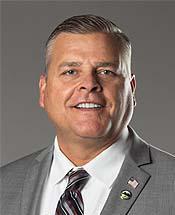
California State Assembly · District 60
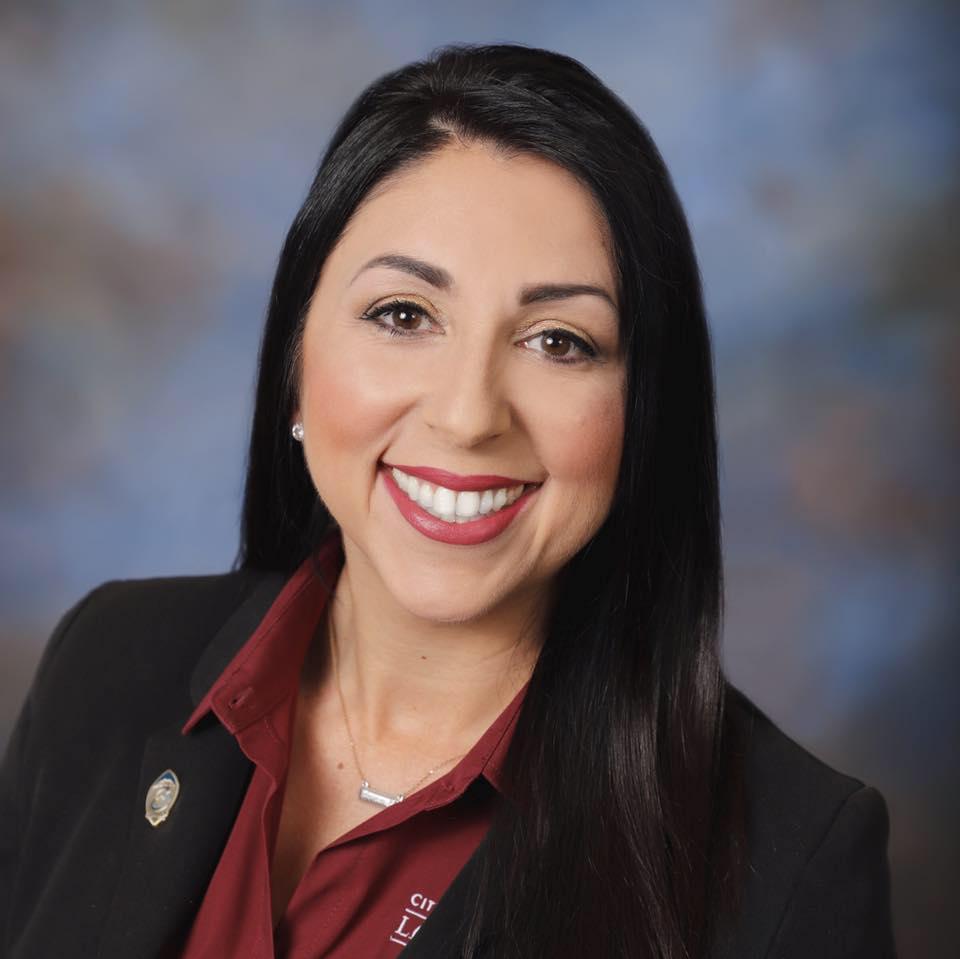
California State Assembly · District 63
California State Assembly · District 70
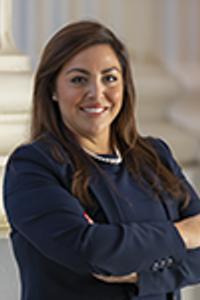
California State Assembly · District 71
California State Assembly · District 72
California State Assembly · District 74

California Superintendent of Public Instruction

U.S. House · California District 10
U.S. House · California District 19
U.S. House · California District 1
U.S. House · California District 23

U.S. House · California District 40

U.S. House · California District 41
U.S. House · California District 47

Los Angeles Community College District Board · Seat 2
Los Angeles Community College District Board · Seat 4
Los Angeles Community College District Board · Seat 6
Recommended: vote no
This is a one-half percent sales tax increase in the city of L.A. with the revenue earmarked for the fire department. We oppose this measure because the sales tax in Los Angeles will already rise to 10.25% in October because of Measure ER passing in L.A. County in June, and because the City Council and the Mayor should fully fund the fire department from the existing budget of approximately $15 billion without a tax increase. This measure is a special tax that should require a two-thirds vote to pass, but courts have allowed “citizens’ initiative tax increases,” placed on the ballot by collecting signatures, to pass with fewer votes. HJTA’s ballot measure, the Local Taxpayer Protection Act to Save Proposition 13 (Proposition 43 on the November ballot) will close the loophole, but this tax increase, if approved by just 50% plus one vote, will squeeze through it before Proposition 43 takes effect in January.
Recommended: vote no
This is a massive increase in a parcel tax that would otherwise expire next year. Instead of asking voters to approve the renewal of the existing parcel tax, the city is asking for a renewal with an increase of the base amount from $342 to $1,025, plus 20 cents per square foot. Voters in Palos Verdes Estates rejected a renewal of the existing parcel tax in June, but the city rushed another one to the November ballot.
Recommended: vote no
Called the “Veterans and Affordable Housing Bond Act of 2026,” this is $11.25 billion in state general obligation bonds with only $1.25 billion allocated to benefit veterans. The rest will finance other housing assistance programs. Bonds are borrowed money. Like all general obligation bonds, the actual cost to taxpayers will be roughly double the advertised amount due to interest that must be paid to investors. Bonds are the most expensive way to pay for anything, and when used to pay for programs instead of capital projects, it’s a much greater burden on taxpayers than just paying for these programs from the budget.
Recommended: vote no
This measure makes changes to the Gann Limit, passed by voters in 1979, and to the rules for the Budget Stabilization Account (“Rainy Day Fund”) that were approved by voters in 2014. Tax revenue goes up and down in California with the stock market, because of the state’s dependence on taxes from high earners and capital gains. Proposition 2 attempts to address this revenue volatility challenge with new rules for the Budget Stabilization Account. However, while Prop. 2 addresses the treatment of appropriations into and out of reserve funds in a way that makes sense from the perspective of addressing revenue volatility, it doesn’t address the weakening of the Gann Limit by Propositions 98 (1988) and 111 (1990), enabling reckless overspending that has led to structural deficits and self-inflicted budget “emergencies.” California is in desperate need of fiscal discipline. The changes in the state constitution that permit unlimited spending should be reversed. Prop. 2 falls far short of real spending reform and, unfortunately, amounts to little more than a Band-Aid on a severed limb.
Recommended: vote no
Remember the “temporary” income tax rate hike “for the schools” that was passed in 2012 and “temporarily” renewed in 2016? This measure renews it again and this time makes it permanent. California has the highest income tax rates in the nation, and every year the state has a bigger budget and a higher cost of living to show for it. These “temporary” income tax rate hikes should not be a backdoor method for permanent tax increases.
Recommended: vote no
Existing law, the Political Reform Act of 1974 (PRA), prohibits the use of tax money to finance political campaigns for elective office. Proposition 4 would remove that ban. HJTA has previously won court cases upholding this provision of the PRA, and we haven’t changed our position. Taxpayers should not have to pay the campaign expenses of candidates running for office or incumbents running for re-election.
Recommended: vote no
This measure alters the constitutional right to recall a state officer and vote for a replacement candidate. Proposition 5 would eliminate the election of a replacement candidate in recalls of statewide officeholders and state legislators. Offices would be filled by appointment or later special election. If a governor was recalled, the Lieutenant Governor would become Governor for the remainder of the unexpired term or until a special election, depending on timing. Proposition 5 allows the recalled officeholder to run in the special election to fill the seat, which current law prohibits. This measure makes a mockery of the recall process.
Recommended: vote no
This measure authorizes $25 billion in bonds for a program that would offer second-mortgage loans for down payments on newly constructed or converted homes (not existing homes) to eligible buyers who earn less than 200% of the area median income. Although there is no direct cost to taxpayers, a market downturn could cause mass foreclosures if stretched borrowers are unable to make their payments or sell the home for what they owe. Investors bear the financial risks, but the California Housing Finance Agency (CalHFA) must manage this massive pool of funds to protect the bondholders and pay them the interest they are owed. HJTA appreciates the intent of this measure, but we have concerns about the size of the program and the criteria for eligibility to participate. Prop. 37 is not a constitutional amendment, which leaves it subject to legislative alteration. More fundamentally, California’s housing crisis is better addressed with less government impediments to building rather than a new government program. We urge a No vote.
Recommended: vote no
Another bond measure, Proposition 38 authorizes $8.4 billion in state general obligation bonds for research and therapies related to using the body’s immune system to treat disease. There is no reason that this cost should be borne by California taxpayers. Viable research can be funded by pharmaceutical companies, foundations and the federal government. An analysis by CalMatters reveals that the ballot language criteria were tailored in a way that very likely excludes all but one institute in the entire state: the California Institute for Immunology and Immunotherapy, whose prominent donor and co-founder is the chief backer of the proposition. Prop. 38 appears to be a clear case of self-dealing at the expense of taxpayers.
Recommended: vote yes
Proposition 39 is the Voter ID initiative. While 36 states currently require some form of voter ID, California isn’t one of them. Voter ID is used successfully around the country to prevent voter impersonation at the polls and to ensure that mail ballots are validly submitted by eligible voters. It’s especially important to California taxpayers to secure our elections from the potential for fraud, because billions of dollars of tax measures are on the ballot in nearly every election.
Recommended: vote no
This is the “wealth tax,” supposedly affecting only billionaires but in fact a threat to every California taxpayer and homeowner. Proposition 40 imposes a “one-time tax” of 5% of “covered assets” valued above $1 billion. However, the measure includes language that allows the Legislature to rewrite the law later, potentially changing the thresholds, the assets that are covered, the percentage to be taken, and the number of times the tax would be levied. This is an entirely new type of tax, and we don’t know where it will lead. Will all Californians have to submit forms to the Franchise Tax Board declaring their assets every year? How much will ordinary Californians have to pay for “wealth tax preparation” to comply with this law?
Recommended: vote yes
This measure requires pre-election audits of programs that would be funded by new statewide special taxes. It’s a good idea to find out where the existing funds are going before voters are asked to approve higher taxes for the same programs.
Recommended: vote yes
In direct opposition to the “wealth tax,” this measure would prohibit any new state tax that taxes the ownership or control of personal property or applies retroactively based on activities or status that existed before the effective date of the new state tax. This will protect Californians, especially homeowners, from the risk of a “wealth tax” on the value of homes or any other accumulated savings and investments.
Recommended: vote yes
Proposition 43 is the Local Taxpayer Protection Act to Save Proposition 13. It restores Prop. 13’s two-thirds vote requirement to pass local special taxes. Prop. 43 closes the court-created “Upland” loophole that has allowed special interest groups to write their own tax increases, direct the money to themselves, collect signatures to place them on the ballot and then evade the two-thirds vote requirement. Because of this loophole, Californians are paying billions of dollars in taxes that they should not have had to pay.
Recommended: vote no
This measure requires community clinics that provide primary care to medically underserved areas and populations to spend at least 90% of their revenue on patient services, not management and overhead. It authorizes the Attorney General to publish guidance on qualifying expenditures and lets the Department of Public Health issue waivers. It authorizes monetary penalties and criminal charges. It is sponsored by a powerful labor organization seeking to expand its control over private clinics.
Recommended: vote yes
Few things have impeded rational housing policy in the state more than the California Environmental Quality Act. It slows down development which, in turn, limits housing supply, increasing the cost of living. Far from being a tool to address legitimate environment concerns, it has been used more frequently as leverage by labor organizations to exact favorable labor agreements. While CEQA reform to prevent excessive delays is necessary, Proposition 45 is not perfect since it carves out only certain projects for reform and locks in costly labor agreements. It also creates opportunities for government to pick winners and losers. But while HJTA would prefer a full revamp of CEQA, Prop. 45 is a good first step.
Recommended: vote no
This is a sales tax increase of at least one-half percent (1% in San Francisco) in five Bay Area counties (San Francisco, Alameda, Contra Costa, San Mateo, Santa Clara) to fund transit. Critics rightly argue that the longstanding financial and management problems of transit systems in the Bay Area will not be fixed with another tax increase. Beyond that, a higher sales tax burdens people who already pay high sales taxes and are struggling with the high cost of living. This measure, too, is a “citizens’ initiative tax increase” attempting to get through the court-created loophole before HJTA closes it with Proposition 43.