California General Election 2026
Voter Guide

California Insurance Commissioner

California State Board of Equalization · District 2

California State Board of Equalization · District 3
California State Senate · District 24

California State Senate · District 26

California State Assembly · District 12
California State Assembly · District 20
California State Assembly · District 44
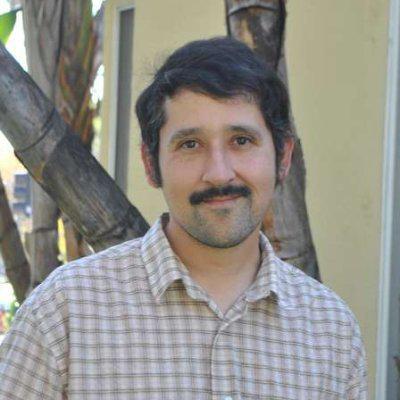
California State Assembly · District 51
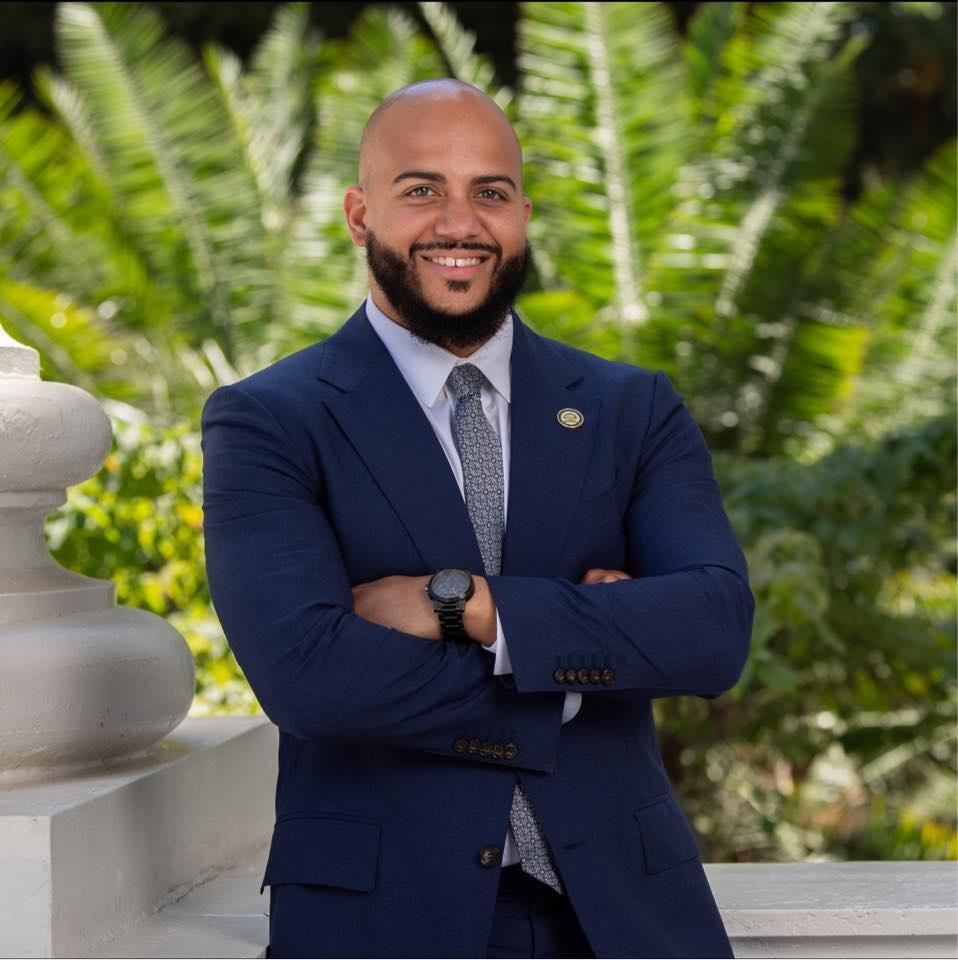
California State Assembly · District 55

California State Assembly · District 57
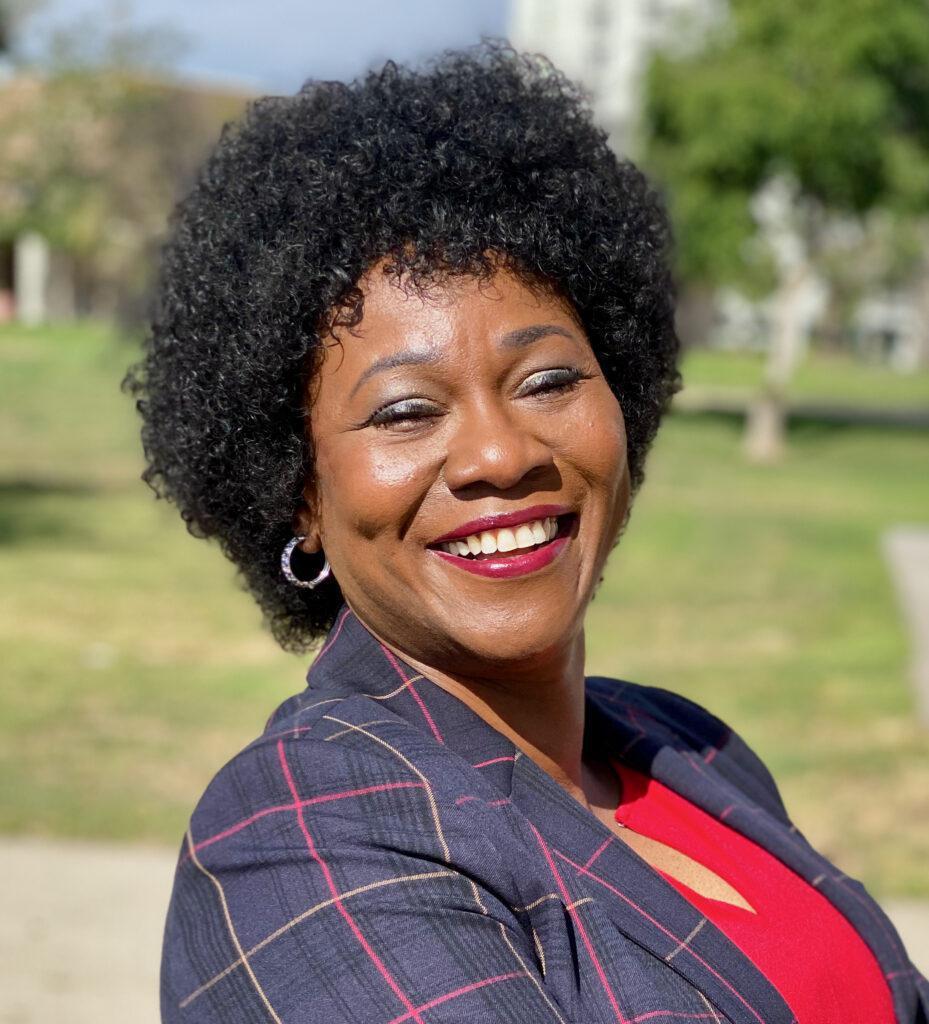
California State Assembly · District 61
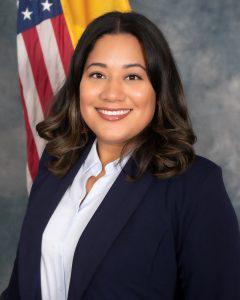
California State Assembly · District 68

U.S. House · California District 11
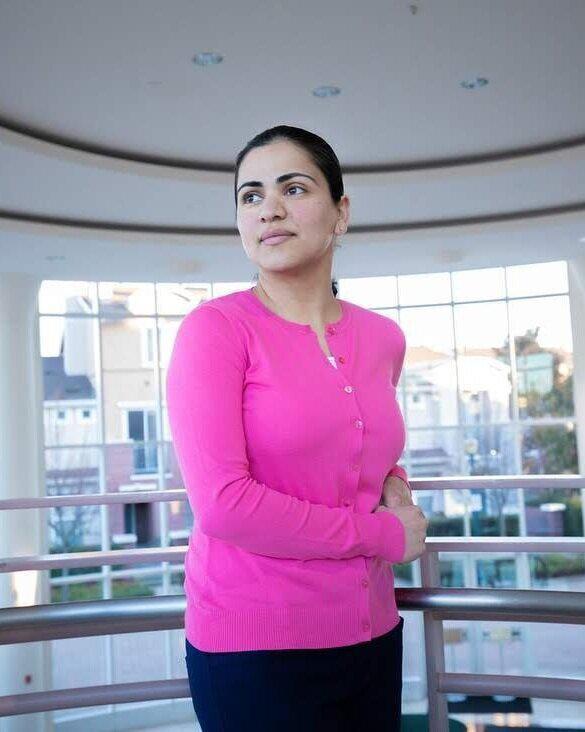
U.S. House · California District 14

U.S. House · California District 29

U.S. House · California District 34

Los Angeles City Mayor
Don’t vote for Bass. She has overseen a costly and ineffective homelessness response, expanded policing, fallen short on climate leadership, and failed to stand up for our community as ICE tears apart Angelenos’ lives.Thus far, the Bass campaign has run to the far right in what is likely a futile attempt to cull Spencer Pratt voters. During the Sherman Oaks HOA debate, she cited harsher crack downs on street vendors operating “in front” of businesses and doubled down on her pro-NIMBY housing policy. Nithya has been much stronger on climate while in office. She has cast important and brave votes against fossil fuels. I have every reason to believe she will continue to be climate forward, shake up the LADWP and Metro Boards, and restore funding to the Climate Emergency Mobilization Office. That being said, it is disappointing that our challenger is a sitting progressive councilmember. There is a very real possibility of losing Nithya’s Council District 4 seat to a conservative in a special election. Raman’s district was gerrymandered to disenfranchise renters. I am not confident that we will have enough time in a special election to hold the seat against mounting conservative interests. We have four progressive councilmembers on a city council of fifteen. We need that number to grow. I am not saying the LA Mayor doesn’t have power; I am saying we can’t lose sight of how vital the City Council is. Whether she wins or loses she will need to find a way to mend bridges and she will need to finish her term even if that proves difficult. People voted for her to represent them and to keep fighting for Angelenos and our climate. We’re going to have to pressure the Mayor to do the right thing, whether that is Raman or Bass. Just because we elected someone doesn’t mean we stop applying pressure. We need our Mayor not to bow down to big tech as it continues to infiltrate LA politics.
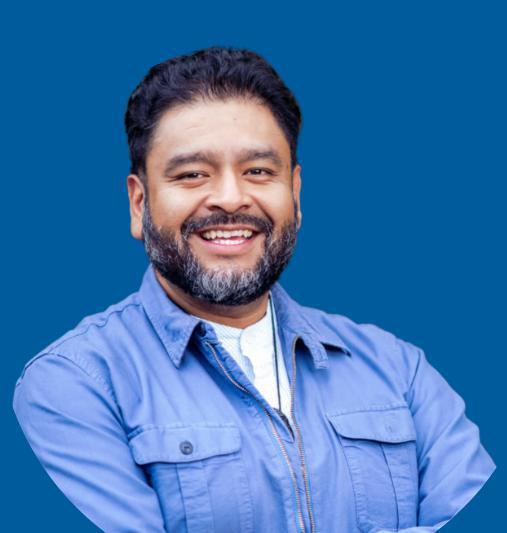
Los Angeles City Council · District 9

Los Angeles City Attorney

Orange County Board of Supervisors · District 5
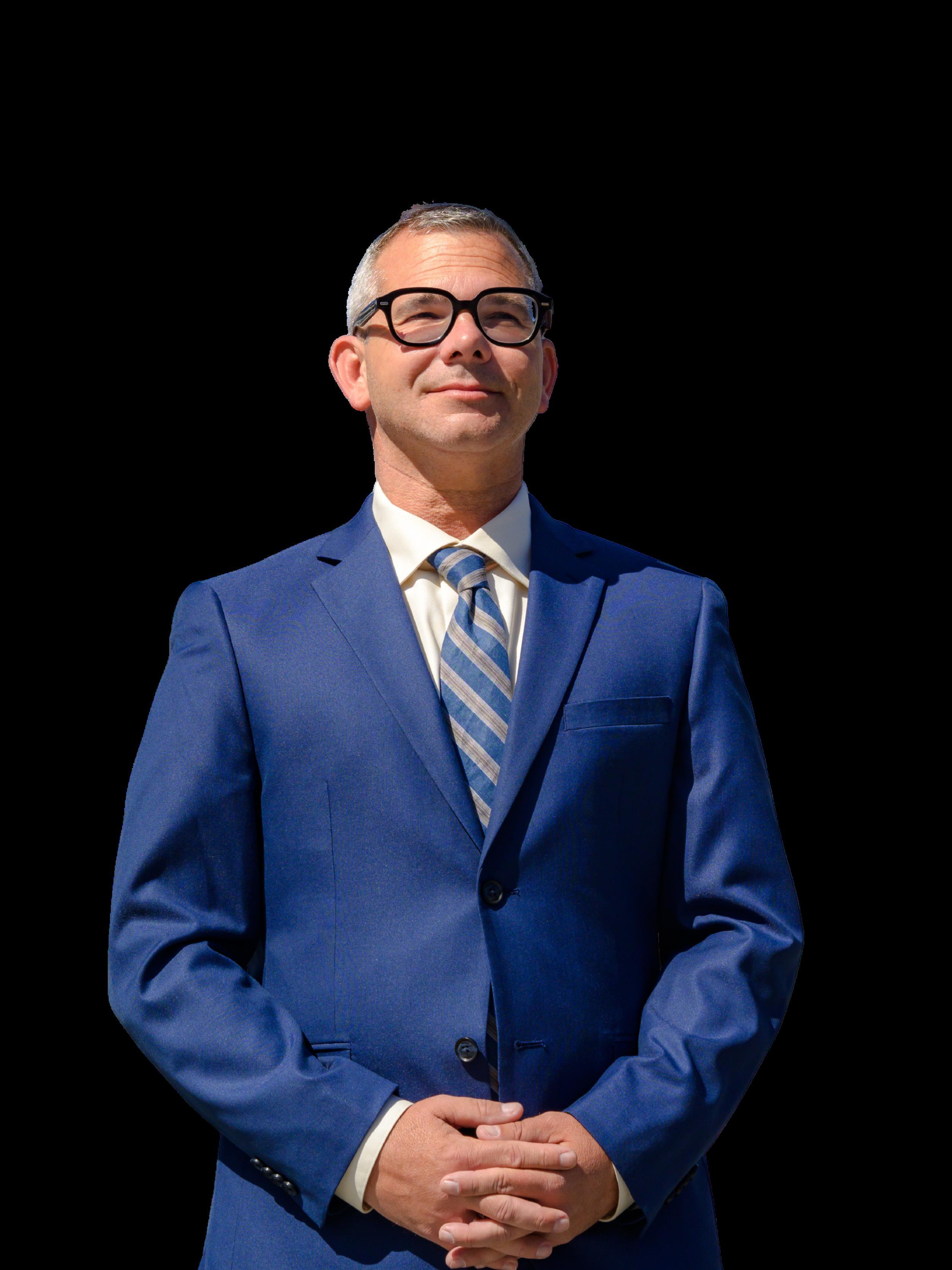
San Francisco County Board of Supervisors · District 8
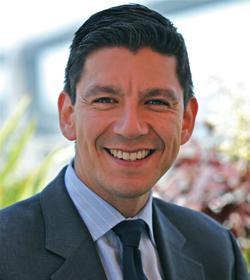
San Francisco Assessor-Recorder

Oakland Unified School Board · District 2
Oakland Unified School Board · District 6

San Francisco Board of Education

San Francisco Board of Education
San Francisco Board of Education

San Francisco Community College District Board

San Francisco Community College District Board
Berkeley City Council · District 7
Los Angeles County Superior Court Judge - Office 131
Los Angeles County Superior Court Judge - Office 64
San Francisco Public Defender
Recommended: vote no
Recommended: vote yes
Recommended: vote yes
Recommended: vote yes
Recommended: vote yes
Recommended: vote yes
Recommended: vote yes
Recommended: vote yes
Recommended: vote yes
Recommended: vote no
Recommended: vote yes
Prop. 1 would authorize $11.25 billion in state bonds for affordable housing and homeownership programs. The funding would support housing for groups including low- and middle-income families, veterans, seniors, people with disabilities, farmworkers, foster youth, and people experiencing homelessness. Investing in stable, affordable housing helps people build secure lives, raise families, work, and participate in their communities.
Recommended: vote yes
Prop. 2 would let California build larger reserves during strong economic years, giving the state more ability to protect public services during recessions. There is a tradeoff: money held in reserves cannot address immediate needs, and the measure extends debt payments. Prop. 2 is unusual because it is a legislative constitutional amendment, not a citizen initiative. It was placed on the ballot by the Legislature and is primarily backed by elected officials and institutional organizations rather than a heavily funded ballot campaign.
Recommended: vote yes
Prop. 3 would make California’s existing high-earner tax rates permanent instead of allowing them to expire in 2031. About 89% of the revenue would go to K–12 public schools, with the remainder supporting community colleges. It would preserve an important source of funding for public education while keeping tax rates for high earners at their current levels.
Recommended: vote yes
Prop. 4 would allow California state and local governments to provide public campaign funds to qualifying candidates, subject to eligibility requirements and spending limits. Public financing would reduce candidates’ dependence on wealthy donors and give more candidates, including those without access to major donors, a fairer opportunity to run for office.
Recommended: vote yes
Prop. 5 would change California’s recall process into two separate votes. First, voters would decide whether to remove the elected official. If the recall succeeds, voters would then choose the replacement in a separate election. Supporters say this would give voters a clearer choice on removal and a separate opportunity to choose who should serve as the replacement.
Recommended: vote no
Prop. 37 would use public funds to support the construction of new homes with eligibility limited to higher-income buyers. Critics argue that this could direct public resources toward households that are already better positioned to afford housing, while benefiting developers and builders. The main debate is whether public housing funds should prioritize higher-income homeownership or Californians facing greater housing affordability challenges.
Recommended: vote no
Prop. 38 would borrow $8.4 billion for immunology and immunotherapy research, with roughly half going to one UC-affiliated research institute. Its eligibility rules appear tailored to the California Institute for Immunology and Immunotherapy, founded and chaired by billionaire Gary Michelson, whose network is the initiative’s leading financial backer. Biomedical research deserves public investment. But voters should not lock billions in public debt into a proposition structured around a particular private institution. California should fund research through accountable public institutions and a flexible budget process, not a costly bond measure that could take decades to pay off.
Recommended: vote no
Prop. 39 would add new requirements for voting. For in-person voting, it would require government-issued identification; for voting by mail, it would require a unique four-digit government identification number on the ballot envelope. These measures would create unnecessary barriers for eligible voters and raise privacy concerns, particularly for people who already face obstacles to voting.
Recommended: vote no
Prop. 41 would add new restrictions on state special taxes and could require them to count toward California’s spending limit. Most importantly, if both Prop. 40 and Prop. 41 pass, Prop. 41 could invalidate Prop. 40 if Prop. 41 receives more YES votes. That could prevent the one-time billionaire wealth tax from taking effect and make it harder to fund health care, CalFresh, education, and other essential services.
Recommended: vote no
Prop. 42 would prohibit California from creating new state taxes on personal wealth, including financial assets and business interests. It could also conflict with Prop. 40’s one-time billionaire wealth tax. Prop. 42 would permanently limit California’s ability to tax extreme wealth and reduce future options for funding health care, education, and other essential public services.
Recommended: vote no
Prop. 43 would require two-thirds voter approval for local special taxes placed on the ballot through citizen initiatives, instead of a simple majority. This would make it harder for communities to fund affordable housing, schools, public transit, emergency services, parks, and other local priorities.
Recommended: vote no
Prop. 44 would require certain clinics to spend at least 90% of their revenue on patient care, limiting what they can spend on administration and other operating costs. Opponents argue that smaller clinics need flexibility to pay for staffing, technology, equipment, maintenance, and other essential expenses. A strict spending cap could force financially strained clinics to cut services, reduce staff, or potentially close. The concern is that a rule intended to direct more money toward patients could ultimately make it harder for some community clinics to remain open and provide care, particularly in underserved areas.
Recommended: vote no
Prop. 45 would change California’s environmental review process under CEQA, shortening the time communities have to review and challenge certain housing, data center, industrial, and infrastructure projects. This could reduce public oversight and limit communities’ ability to address potential impacts on air, water, public health, traffic, and neighborhoods before projects are approved.
Recommended: vote no
Recommended: vote yes
Recommended: vote yes
Recommended: vote no
Recommended: vote no
Recommended: vote no
Recommended: vote no
Recommended: vote yes
Recommended: vote yes
Recommended: vote yes
Faith's Hope Broadcast's endorsements for the November 3, 2026 election, from their published voter guide: https://fmyhra.substack.com/p/ca-voter-guide-for-2026-general, opens in new tab (published 2026-10-07).