California General Election 2026
Voter Guide
California Governor
California Lieutenant Governor
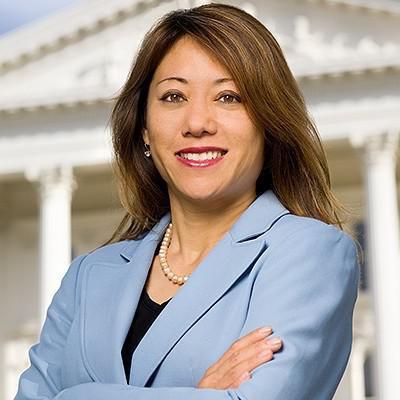
In the primary, I supported Michael Tubbs, who finished fourth. Now the choice is simple: Fiona Ma is the only Democrat left in this race, and she’s running against Gloria Romero, a former Democratic state senator who became a Republican in 2024 and is a political ally of Trump-endorsed gubernatorial candidate Steve Hilton, who asked her to join his ticket. Romero is transphobic, aligned with the GOP on school choice and COVID-19 policies, and she’s endorsed by the California Republican Party. Ma seems smart and has a great deal of experience. According to LAist, she has served as California’s state treasurer since 2019, and before that sat on the Board of Equalization, served as a San Francisco supervisor, and spent four terms in the state Legislature, where she rose to second-in-line in Assembly leadership. My reservations in the primary stemmed from the fact that in 2021, a former state tax official filed a sexual harassment lawsuit against Ma. The state settled the case in 2024, and Ma denied the allegations and admitted no wrongdoing. I really hope she’s telling the truth, because she’s now running against a Republican, so she’s the only Democratic option in this race. Fiona Ma is endorsed by the California Democratic Party, Equality California, the California Labor Federation, the State Building and Construction Trades Council, and AFSCME.
California Secretary of State

California Controller
California Treasurer
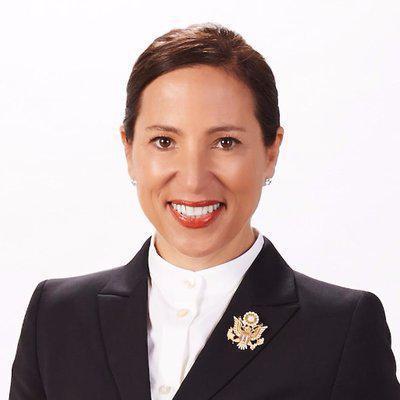
I support Eleni Kounalakis, because she’s the only Democrat in this race, and she seems smart, experienced, and is endorsed by people I respect. According to the official website of California: “Eleni Kounalakis was sworn in as the 50th Lieutenant Governor of California by Governor Gavin Newsom on January 7th, 2019. She is the first woman elected Lt. Governor of California. A native Californian, she visited each of the state’s 58 counties during her historic campaign. In addition to her duties as Lt. Governor, Kounalakis is California’s Representative for International Affairs and Trade, appointed by Governor Gavin Newsom by executive order. From 2010 to 2013, Kounalakis served as President Obama’s Ambassador to the Republic of Hungary.” Eleni Kounalakis is endorsed by Senator Alex Padilla, Representatives Nancy Pelosi, Robert Garcia, Lateefah Simon, Laura Friedman, and Sydney Kamlager-Dove, Former LAUSD President Jackie Goldberg, East Area Progressive Democrats, Equality California, California Environmental Voters and Sierra Club.
California Attorney General

California State Board of Equalization · District 1

California State Board of Equalization · District 4

California State Assembly · District 14

California State Assembly · District 19

California State Assembly · District 44
California State Assembly · District 49

California State Assembly · District 52
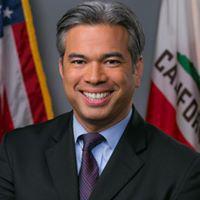
I’m supporting Jessica Caloza, because she is the only Democrat running, she’s qualified and she’s endorsed by people that I respect. From her website: “Jessica is a dedicated public servant who worked for President Obama helping underfunded public schools get more resources. As L.A. Public Works Commissioner, Jessica expanded good-paying union jobs, raised wages for workers and required equal pay for women while increasing transparency and accountability. As California Attorney General Rob Bonta’s Deputy Chief of Staff, Jessica has worked to reduce crime and gun violence, take bold action to protect the environment, and helped victims of sexual assault receive justice.” Jessica Caloza is endorsed by Reps. Judy Chu, Ted Lieu and Sydney Kamlager-Dove, California Federation of Teachers, Abundant Housing Los Angeles, Planned Parenthood LA, SEIU, and Equality California.

California State Assembly · District 57

California State Assembly · District 61
California Supreme Court Associate Justice (Groban)
“Sitting justices are nearly always reelected. In California… voters once removed three members of the state Supreme Court in 1986 over the death penalty. However, no California appellate court justice has lost a retention election since the system began in the 1930s… You’ll come across two job titles in these races: Associate Justice and Presiding Justice. A presiding justice handles the administrative side of the court, sets policies and essentially acts as a supervisor, in addition to reviewing cases with associate justices. When a new appellate court justice needs to be appointed, the presiding justice in that district takes part in the approval process… More voter resources: ‘Opinions’ (Judicial Council of California): This is a free lookup where you can read the California Courts of Appeal’s decisions. Appellate Court Primer (Los Angeles County Bar Association): Helpful background on how the California Courts of Appeal work. Their website also lists the bios for all of the justices, in case you want to do further research.

California Supreme Court Associate Justice (Evans)
“Sitting justices are nearly always reelected. In California… voters once removed three members of the state Supreme Court in 1986 over the death penalty. However, no California appellate court justice has lost a retention election since the system began in the 1930s… You’ll come across two job titles in these races: Associate Justice and Presiding Justice. A presiding justice handles the administrative side of the court, sets policies and essentially acts as a supervisor, in addition to reviewing cases with associate justices. When a new appellate court justice needs to be appointed, the presiding justice in that district takes part in the approval process… More voter resources: ‘Opinions’ (Judicial Council of California): This is a free lookup where you can read the California Courts of Appeal’s decisions. Appellate Court Primer (Los Angeles County Bar Association): Helpful background on how the California Courts of Appeal work. Their website also lists the bios for all of the justices, in case you want to do further research.

California Court of Appeals Associate Justice - District 2, Division 1 (Kim)
“Sitting justices are nearly always reelected. In California… voters once removed three members of the state Supreme Court in 1986 over the death penalty. However, no California appellate court justice has lost a retention election since the system began in the 1930s… You’ll come across two job titles in these races: Associate Justice and Presiding Justice. A presiding justice handles the administrative side of the court, sets policies and essentially acts as a supervisor, in addition to reviewing cases with associate justices. When a new appellate court justice needs to be appointed, the presiding justice in that district takes part in the approval process… More voter resources: ‘Opinions’ (Judicial Council of California): This is a free lookup where you can read the California Courts of Appeal’s decisions. Appellate Court Primer (Los Angeles County Bar Association): Helpful background on how the California Courts of Appeal work. Their website also lists the bios for all of the justices, in case you want to do further research.

California Court of Appeals Associate Justice - District 2, Division 1 (Weingart)
“Sitting justices are nearly always reelected. In California… voters once removed three members of the state Supreme Court in 1986 over the death penalty. However, no California appellate court justice has lost a retention election since the system began in the 1930s… You’ll come across two job titles in these races: Associate Justice and Presiding Justice. A presiding justice handles the administrative side of the court, sets policies and essentially acts as a supervisor, in addition to reviewing cases with associate justices. When a new appellate court justice needs to be appointed, the presiding justice in that district takes part in the approval process… More voter resources: ‘Opinions’ (Judicial Council of California): This is a free lookup where you can read the California Courts of Appeal’s decisions. Appellate Court Primer (Los Angeles County Bar Association): Helpful background on how the California Courts of Appeal work. Their website also lists the bios for all of the justices, in case you want to do further research.

California Court of Appeals Associate Justice - District 2, Division 2 (Richardson)
“Sitting justices are nearly always reelected. In California… voters once removed three members of the state Supreme Court in 1986 over the death penalty. However, no California appellate court justice has lost a retention election since the system began in the 1930s… You’ll come across two job titles in these races: Associate Justice and Presiding Justice. A presiding justice handles the administrative side of the court, sets policies and essentially acts as a supervisor, in addition to reviewing cases with associate justices. When a new appellate court justice needs to be appointed, the presiding justice in that district takes part in the approval process… More voter resources: ‘Opinions’ (Judicial Council of California): This is a free lookup where you can read the California Courts of Appeal’s decisions. Appellate Court Primer (Los Angeles County Bar Association): Helpful background on how the California Courts of Appeal work. Their website also lists the bios for all of the justices, in case you want to do further research.

California Court of Appeals Presiding Justice - District 2, Division 3 (Adams)
“Sitting justices are nearly always reelected. In California… voters once removed three members of the state Supreme Court in 1986 over the death penalty. However, no California appellate court justice has lost a retention election since the system began in the 1930s… You’ll come across two job titles in these races: Associate Justice and Presiding Justice. A presiding justice handles the administrative side of the court, sets policies and essentially acts as a supervisor, in addition to reviewing cases with associate justices. When a new appellate court justice needs to be appointed, the presiding justice in that district takes part in the approval process… More voter resources: ‘Opinions’ (Judicial Council of California): This is a free lookup where you can read the California Courts of Appeal’s decisions. Appellate Court Primer (Los Angeles County Bar Association): Helpful background on how the California Courts of Appeal work. Their website also lists the bios for all of the justices, in case you want to do further research.

California Court of Appeals Associate Justice - District 2, Division 4 (Daum)
“Sitting justices are nearly always reelected. In California… voters once removed three members of the state Supreme Court in 1986 over the death penalty. However, no California appellate court justice has lost a retention election since the system began in the 1930s… You’ll come across two job titles in these races: Associate Justice and Presiding Justice. A presiding justice handles the administrative side of the court, sets policies and essentially acts as a supervisor, in addition to reviewing cases with associate justices. When a new appellate court justice needs to be appointed, the presiding justice in that district takes part in the approval process… More voter resources: ‘Opinions’ (Judicial Council of California): This is a free lookup where you can read the California Courts of Appeal’s decisions. Appellate Court Primer (Los Angeles County Bar Association): Helpful background on how the California Courts of Appeal work. Their website also lists the bios for all of the justices, in case you want to do further research.

California Court of Appeals Associate Justice - District 2, Division 4 (Mori)
“Sitting justices are nearly always reelected. In California… voters once removed three members of the state Supreme Court in 1986 over the death penalty. However, no California appellate court justice has lost a retention election since the system began in the 1930s… You’ll come across two job titles in these races: Associate Justice and Presiding Justice. A presiding justice handles the administrative side of the court, sets policies and essentially acts as a supervisor, in addition to reviewing cases with associate justices. When a new appellate court justice needs to be appointed, the presiding justice in that district takes part in the approval process… More voter resources: ‘Opinions’ (Judicial Council of California): This is a free lookup where you can read the California Courts of Appeal’s decisions. Appellate Court Primer (Los Angeles County Bar Association): Helpful background on how the California Courts of Appeal work. Their website also lists the bios for all of the justices, in case you want to do further research.

California Court of Appeals Associate Justice - District 2, Division 4 (Tamzarian)
“Sitting justices are nearly always reelected. In California… voters once removed three members of the state Supreme Court in 1986 over the death penalty. However, no California appellate court justice has lost a retention election since the system began in the 1930s… You’ll come across two job titles in these races: Associate Justice and Presiding Justice. A presiding justice handles the administrative side of the court, sets policies and essentially acts as a supervisor, in addition to reviewing cases with associate justices. When a new appellate court justice needs to be appointed, the presiding justice in that district takes part in the approval process… More voter resources: ‘Opinions’ (Judicial Council of California): This is a free lookup where you can read the California Courts of Appeal’s decisions. Appellate Court Primer (Los Angeles County Bar Association): Helpful background on how the California Courts of Appeal work. Their website also lists the bios for all of the justices, in case you want to do further research.

California Court of Appeals Presiding Justice - District 2, Division 4 (Zukin)
“Sitting justices are nearly always reelected. In California… voters once removed three members of the state Supreme Court in 1986 over the death penalty. However, no California appellate court justice has lost a retention election since the system began in the 1930s… You’ll come across two job titles in these races: Associate Justice and Presiding Justice. A presiding justice handles the administrative side of the court, sets policies and essentially acts as a supervisor, in addition to reviewing cases with associate justices. When a new appellate court justice needs to be appointed, the presiding justice in that district takes part in the approval process… More voter resources: ‘Opinions’ (Judicial Council of California): This is a free lookup where you can read the California Courts of Appeal’s decisions. Appellate Court Primer (Los Angeles County Bar Association): Helpful background on how the California Courts of Appeal work. Their website also lists the bios for all of the justices, in case you want to do further research.

California Court of Appeals Presiding Justice - District 2, Division 5 (Hoffstadt)
“Sitting justices are nearly always reelected. In California… voters once removed three members of the state Supreme Court in 1986 over the death penalty. However, no California appellate court justice has lost a retention election since the system began in the 1930s… You’ll come across two job titles in these races: Associate Justice and Presiding Justice. A presiding justice handles the administrative side of the court, sets policies and essentially acts as a supervisor, in addition to reviewing cases with associate justices. When a new appellate court justice needs to be appointed, the presiding justice in that district takes part in the approval process… More voter resources: ‘Opinions’ (Judicial Council of California): This is a free lookup where you can read the California Courts of Appeal’s decisions. Appellate Court Primer (Los Angeles County Bar Association): Helpful background on how the California Courts of Appeal work. Their website also lists the bios for all of the justices, in case you want to do further research.

California Court of Appeals Presiding Justice - District 2, Division 6 (Cody)
“Sitting justices are nearly always reelected. In California… voters once removed three members of the state Supreme Court in 1986 over the death penalty. However, no California appellate court justice has lost a retention election since the system began in the 1930s… You’ll come across two job titles in these races: Associate Justice and Presiding Justice. A presiding justice handles the administrative side of the court, sets policies and essentially acts as a supervisor, in addition to reviewing cases with associate justices. When a new appellate court justice needs to be appointed, the presiding justice in that district takes part in the approval process… More voter resources: ‘Opinions’ (Judicial Council of California): This is a free lookup where you can read the California Courts of Appeal’s decisions. Appellate Court Primer (Los Angeles County Bar Association): Helpful background on how the California Courts of Appeal work. Their website also lists the bios for all of the justices, in case you want to do further research.

California Court of Appeals Associate Justice - District 2, Division 6 (Yegan)
“Sitting justices are nearly always reelected. In California… voters once removed three members of the state Supreme Court in 1986 over the death penalty. However, no California appellate court justice has lost a retention election since the system began in the 1930s… You’ll come across two job titles in these races: Associate Justice and Presiding Justice. A presiding justice handles the administrative side of the court, sets policies and essentially acts as a supervisor, in addition to reviewing cases with associate justices. When a new appellate court justice needs to be appointed, the presiding justice in that district takes part in the approval process… More voter resources: ‘Opinions’ (Judicial Council of California): This is a free lookup where you can read the California Courts of Appeal’s decisions. Appellate Court Primer (Los Angeles County Bar Association): Helpful background on how the California Courts of Appeal work. Their website also lists the bios for all of the justices, in case you want to do further research.

California Court of Appeals Presiding Justice - District 2, Division 7 (Martinez)
“Sitting justices are nearly always reelected. In California… voters once removed three members of the state Supreme Court in 1986 over the death penalty. However, no California appellate court justice has lost a retention election since the system began in the 1930s… You’ll come across two job titles in these races: Associate Justice and Presiding Justice. A presiding justice handles the administrative side of the court, sets policies and essentially acts as a supervisor, in addition to reviewing cases with associate justices. When a new appellate court justice needs to be appointed, the presiding justice in that district takes part in the approval process… More voter resources: ‘Opinions’ (Judicial Council of California): This is a free lookup where you can read the California Courts of Appeal’s decisions. Appellate Court Primer (Los Angeles County Bar Association): Helpful background on how the California Courts of Appeal work. Their website also lists the bios for all of the justices, in case you want to do further research.

California Court of Appeals Associate Justice - District 2, Division 7 (Stone)
“Sitting justices are nearly always reelected. In California… voters once removed three members of the state Supreme Court in 1986 over the death penalty. However, no California appellate court justice has lost a retention election since the system began in the 1930s… You’ll come across two job titles in these races: Associate Justice and Presiding Justice. A presiding justice handles the administrative side of the court, sets policies and essentially acts as a supervisor, in addition to reviewing cases with associate justices. When a new appellate court justice needs to be appointed, the presiding justice in that district takes part in the approval process… More voter resources: ‘Opinions’ (Judicial Council of California): This is a free lookup where you can read the California Courts of Appeal’s decisions. Appellate Court Primer (Los Angeles County Bar Association): Helpful background on how the California Courts of Appeal work. Their website also lists the bios for all of the justices, in case you want to do further research.

California Court of Appeals Associate Justice - District 2, Division 8 (Scherb)
“Sitting justices are nearly always reelected. In California… voters once removed three members of the state Supreme Court in 1986 over the death penalty. However, no California appellate court justice has lost a retention election since the system began in the 1930s… You’ll come across two job titles in these races: Associate Justice and Presiding Justice. A presiding justice handles the administrative side of the court, sets policies and essentially acts as a supervisor, in addition to reviewing cases with associate justices. When a new appellate court justice needs to be appointed, the presiding justice in that district takes part in the approval process… More voter resources: ‘Opinions’ (Judicial Council of California): This is a free lookup where you can read the California Courts of Appeal’s decisions. Appellate Court Primer (Los Angeles County Bar Association): Helpful background on how the California Courts of Appeal work. Their website also lists the bios for all of the justices, in case you want to do further research.

California Court of Appeals Associate Justice - District 2, Division 8 (Viramontes)
“Sitting justices are nearly always reelected. In California… voters once removed three members of the state Supreme Court in 1986 over the death penalty. However, no California appellate court justice has lost a retention election since the system began in the 1930s… You’ll come across two job titles in these races: Associate Justice and Presiding Justice. A presiding justice handles the administrative side of the court, sets policies and essentially acts as a supervisor, in addition to reviewing cases with associate justices. When a new appellate court justice needs to be appointed, the presiding justice in that district takes part in the approval process… More voter resources: ‘Opinions’ (Judicial Council of California): This is a free lookup where you can read the California Courts of Appeal’s decisions. Appellate Court Primer (Los Angeles County Bar Association): Helpful background on how the California Courts of Appeal work. Their website also lists the bios for all of the justices, in case you want to do further research.
California Court of Appeals Associate Justice - District 2, Division 3 (Hanasono)
“Sitting justices are nearly always reelected. In California… voters once removed three members of the state Supreme Court in 1986 over the death penalty. However, no California appellate court justice has lost a retention election since the system began in the 1930s… You’ll come across two job titles in these races: Associate Justice and Presiding Justice. A presiding justice handles the administrative side of the court, sets policies and essentially acts as a supervisor, in addition to reviewing cases with associate justices. When a new appellate court justice needs to be appointed, the presiding justice in that district takes part in the approval process… More voter resources: ‘Opinions’ (Judicial Council of California): This is a free lookup where you can read the California Courts of Appeal’s decisions. Appellate Court Primer (Los Angeles County Bar Association): Helpful background on how the California Courts of Appeal work. Their website also lists the bios for all of the justices, in case you want to do further research.

California Court of Appeals Associate Justice - District 2, Division 8 (Wiley)
“Sitting justices are nearly always reelected. In California… voters once removed three members of the state Supreme Court in 1986 over the death penalty. However, no California appellate court justice has lost a retention election since the system began in the 1930s… You’ll come across two job titles in these races: Associate Justice and Presiding Justice. A presiding justice handles the administrative side of the court, sets policies and essentially acts as a supervisor, in addition to reviewing cases with associate justices. When a new appellate court justice needs to be appointed, the presiding justice in that district takes part in the approval process… More voter resources: ‘Opinions’ (Judicial Council of California): This is a free lookup where you can read the California Courts of Appeal’s decisions. Appellate Court Primer (Los Angeles County Bar Association): Helpful background on how the California Courts of Appeal work. Their website also lists the bios for all of the justices, in case you want to do further research.
California Superintendent of Public Instruction
I support Richard Barrera because he’s smart, experienced, and endorsed by people I respect. He has served on the San Diego Unified School Board for 18 years, including five as president, helping lead the second-largest school district in the state. His record there has earned him the endorsement of almost every single public education advocate you can think of, including the California Teachers Association and school board members from all over the state. He’s also running against Sonja Shaw, a transphobic, Trump-supporting Republican, which makes this race especially critical. According to his website: “The son of an immigrant father from Colombia and the grandson of Ellis Island immigrants, Richard Barrera’s story is one of sacrifice, opportunity, and the transformative power of public education… A San Diego native, Richard attended public school from kindergarten through college... After graduation, Richard returned home and spent years organizing domestic workers, healthcare workers, and nurses fighting for fair wages, better conditions, and respect on the job. Through that work, he saw firsthand how deeply public schools shaped the futures of the communities he served. Determined to ensure every child had access to the same opportunities that had shaped his own life, he ran for the San Diego Unified School Board (SDUSD).” According to Ballotpedia: “Barrera has experience as a community organizer and a leader in labor relations. He obtained a bachelor’s degree in American history from the University of California, San Diego. He went on to earn a master’s degree in public policy from Harvard University.

U.S. House · California District 12

U.S. House · California District 23
U.S. House · California District 26

U.S. House · California District 27
U.S. House · California District 29

U.S. House · California District 30

U.S. House · California District 31
U.S. House · California District 33
U.S. House · California District 35

U.S. House · California District 37
U.S. House · California District 38

U.S. House · California District 41
U.S. House · California District 42

U.S. House · California District 43

U.S. House · California District 44

U.S. House · California District 45

U.S. House · California District 28
U.S. House · California District 32

U.S. House · California District 36

Los Angeles City Council · District 3

Los Angeles City Council · District 9
I support Estuardo Mazariegos in this Dem vs Dem race. This was a difficult choice in the primary because there were so many candidates running, but in the end, it felt like there were only two real contenders: Mazariegos and José Ugarte. And now they’re the only two left. Between them, they have split the major endorsements pretty evenly, with the more progressive ones going to Mazariegos. It’s also worth noting that there was an ethics investigation into Ugarte’s failure to report his prior earnings as a lobbyist, which he claimed was a “clerical error.” I am providing information about both candidates so that you can decide for yourself. ESTUARDO MAZARIEGOS According to Ground Game / Knock LA: “Estuardo Mazariegos is exactly the type of person the LA City Council needs more of. An immigrant from Guatemala who grew up in South Central, Estuardo has devoted his life to his community. Over two decades of organizing, he has risen to co-director of Alliance of Californians for Community Empowerment (ACCE), one of the most effective working-class groups in the state and a key part of the coalition behind victories such as the creation of the Tenant Anti-Harrassment Ordinance. Mazariegos has spent his career fighting for the often-neglected constituencies of low-income renters to have a voice at City Hall and in Sacramento… His primary goals are to ensure safe, accessible streets; build affordable housing and protect renters; and create green space and climate improvements in CD 9 to overcome decades of environmental injustice and disinvestment… If you want a candidate who’s devoted his life to serving the people and not political insiders, Mazariegos is the only choice. His combination of organizing experience, policy knowledge, and local understanding is extremely rare.” Estuardo Mazariegos is endorsed by City Councilmember Eunisses Hernandez, School Boardmember Karla Griego, UTLA, SEIU, the National Union of Healthcare, DSA-LA, Ground Game LA, and LA Forward.

Los Angeles City Attorney
I support Marissa Roy in this Dem vs. Dem race, because she is the most qualified candidate and endorsed by people I respect. According to LA Forward, her opponent, John McKinney, is “backed by the Republican Party, the LAPPL police union, Republican DA Nathan Hochman, and a whopping $3 million of outside spending from Airbnb during the primary alone.” According to her website: “Marissa Roy is a lifelong Angeleno who has spent her career fighting for civil rights and consumer protection. Marissa’s decision to pursue a career in public service was inspired by seeing the power of law to fight for the people: when Prop 8 passed in 2008 and denied LGBTQ+ Californians the right to marry, including her younger brother, Marissa saw the San Francisco City Attorney’s Office successfully lead the battle to overturn Prop 8 and restore marriage equality for thousands. Since then, Marissa has dedicated her legal career to protecting working families, renters, immigrants, and all Californians, from her start with the City Attorney’s office to her current role as a Deputy Attorney General.” Marissa Roy is endorsed by Senators Alex Padilla and Adam Schiff, Attorney General Rob Bonta, Supervisors Hilda Solis and Lindsey Horvath, Former LAUSD President Jackie Goldberg, LA County Democratic Party, Courage California, East Area Progressive Democrats, LA Forward and Knock LA.
Los Angeles County Sheriff

Los Angeles Community College District Board · Seat 2
Los Angeles Community College District Board · Seat 4
Los Angeles Community College District Board · Seat 6

Los Angeles County Superior Court Judge - Office 131
I’m supporting David Ross, because he is qualified, I am aligned with his values, and he is endorsed by people I respect. According to LA Forward (written during the primary): “We give the edge in this race to Ross, who has more progressive support, including a rec from La Defensa.” David Ross is endorsed by Former LAUSD President Jackie Goldberg, La Defensa, East Area Progressive Democrats, LA Forward and Ground Game LA. Rating by LACBA.org: Qualified

Los Angeles County Superior Court Judge - Office 65
I’m supporting Anna Slotky Reitano, because she is qualified, I am aligned with her values, and she is endorsed by people I respect. According to LA Forward (written during the primary): “We recommend you vote for Anna S. Reitano... We supported Reitano, when she was a member of Defenders of Justice slate in 2022 and we urge you to vote for her again this time. She served as a public defender for a decade and for the last two years, she’s worked Justice and Safety Division of LA County Counsel’s office, where she supervises civil litigation and advises county departments. We appreciated her well-rounded legal background.” Anna Slotky Reitano is endorsed by Former LAUSD President Jackie Goldberg, National Women's Political Caucus, Stonewall Democratic Club, East Area Progressive Democrats, LA Forward, and Ground Game LA. Rating by LACBA.org: Qualified
Recommended: vote no
There is some disagreement on the left about this measure, which would establish an impartial binding arbitration process for labor disputes for certain county employees. However, even though it may have started off with good intentions, I am definitely voting NO. According to LAist: “Public safety employee unions and L.A. County officials are asking voters to change the county charter to require labor disputes with workers, including firefighters and sheriff’s deputies, to be resolved by three-member arbitration panels. The Board of Supervisors put the measure on the ballot to “level the playing field” in the contract negotiations between the county and unionized public safety employees, who are prohibited by law from going on strike.” According to Ground Game/ Knock LA: “The primary impact of Measure A would be to allow any deadlock in union negotiations to be sent to binding arbitration. In a most fundamental sense, this would allow the major public safety units to force contract agreements that ignore the broader financial and policy needs of the county, putting at risk county priorities and the needs of other unions. We do not need to give the corrupt Sheriff’s Department any more power over the county’s budget. Vote no.” According to LA Forward: “Top funders include the Association for Los Angeles Deputy Sheriffs, the Los Angeles County Firefighters Local 1014, and the Los Angeles County Professional Peace Officers Association. Even though binding arbitration looks like a fair process with respect to the individual issues it would settle, there are many good reasons not to do this. This measure applies to many categories of public safety employees, but it’s worth considering with respect to the most controversial — sheriff’s deputies.
Recommended: vote yes
Everyone on the left is in agreement that the “Ethics Commission and Community Investment Budget Allocation Charter Amendment” is a good idea. According to Ground Game / Knock LA: “This one is vitally important. By passing this measure, LA County would be locking in the independence of and funding for the County Ethics Commission and Office of Ethics Compliance… Passing Measure E means more power for ethics investigation and more strength for the Commission to enforce penalties.” According to LAist: “Measure E would carve out the independence of — and funding for — a new ethics commission and compliance office for the county government of Los Angeles County. The measure would increase the independence of the upcoming County Ethics Commission and Office of Ethics Compliance by granting it the power to investigate misconduct by county officials, candidates, lobbyists and contractors; issue subpoenas; and fine violators up to $15,000 per offense. It would be funded by a guaranteed minimum budget of $14.3 million a year to protect its independence. It also locks in the county’s 10% general fund set-aside for community investment and alternatives to incarceration.” Measure E is supported by Supervisor Lindsey Horvath, Los Angeles County Democratic Party, League of Women Voters of L.A. County, California Clean Money, California Common Cause, AAPI Equity Alliance, LA Forward, East Area Progressive Democrats, and Knock LA.
Recommended: vote yes
Recommended: vote yes
Most people on the left are in agreement that voting YES on FD is the right choice, because it would provide more funding for fighting fires. According to Knock LA: “This one is simple. Using a 0.5% sales tax (raising the sales tax from 10.25% to 10.75%), Measure FD would raise funds for the LA Fire Department. No surprises here. As the climate crisis grows and dangerous fire conditions continue to increase, more funding for the fire department is a positive. Los Angeles faces horrific wildfire risks across a huge territory, and we need to grow our fire department staff and facilities and take proactive steps to prevent fires and harden our infrastructure. We do need to offer our recommendation with some caveats. First, a sales tax is a regressive tax. Lower income Angelenos will pay more as a percentage of their income than the rich. Second, we simply cannot fund everything forever by carving out fractional cents of sales tax and earmarking it for different departments; this is not a way to manage a budget, and will eventually hit the limit of its usefulness… In the meantime, we will offer a reserved “yes” on FD.” Measure FD is supported by LA Forward and Knock LA.
Recommended: vote yes
Most people on the left are in agreement that voting YES on LA is the right choice, because it would help reform the city’s charter. According to LA Forward: “Measure LA comes out of the comprehensive Charter reform process Los Angeles undertook over the past year, the first major examination of the City Charter in decades. Across numerous public meetings, there was widespread support for several of the changes now packaged under Measure LA, especially those on long-term infrastructure planning and reforms to the City’s budgeting process. The final package of reform was placed on the ballot by the City Council on a 13–0 vote, with two members absent.” Measure LA is supported by LA Forward and Knock LA.
Recommended: vote yes
Most people on the left are in agreement that voting YES on PL is the right choice, because it would help reform the city’s charter. According to LA Forward: “If enacted, Measure PL would implement reforms proposed by the City Charter Commission to the City’s land use process. The biggest change would involve the dissolution of the City’s Area Planning Commissions – these seven regional commissions are the decision making bodies for small projects in their designated region and handle appeals of decisions made by the City Planning Department staff. Instead, a new Neighborhood Appeals Commission would take their place. This new Commission would have seven members and would consider appeals of decisions made by the City’s Planning Department staff. The City would continue to have a City Planning Commission, the body that considers large scale projects proposed within the City.” Measure PL is supported by LA Forward and Knock LA.
Recommended: vote yes
Most people on the left are in agreement that voting YES on PRK is the right choice, because it would help provide funding for local parks. According to LA Forward: “Measure PRK is a once-in-a-generation opportunity to transform our parks system for working families across Los Angeles – restoring clean beaches, safe playgrounds and facilities, expanding recreational and community programming that keeps kids and seniors connected, safe and active, and ensuring every Angeleno has a welcoming place to gather with family and friends, build community, and stay cool. Measure PRK does this by increasing the parks guaranteed budget over 10 years, so our parks can give Angelenos the services they need.” Measure PRK is supported by Los Angeles County Democratic Party, Stonewall Young Democrats, LA Forward and Knock LA.
Recommended: vote yes
Most people on the left are in agreement that voting YES on PRT is the right choice, because it would expand community oversight of Los Angeles' airports and invest in our waterfront spaces. According to LAist: “Measure PRT would alter the makeup of the Board of Airport Commissioners, increasing the number of members who live in communities near LAX and Van Nuys Airport. Other changes would update the rules around leases for the Airports Department, Department of Water and Power and Harbor Department. The measure would also require the Harbor Department to continue its practice of dedicating funding each year to public waterfront projects.” Measure PRT is supported by Los Angeles County Democratic Party, Stonewall Young Democrats, LA Forward and Knock LA.
Recommended: vote yes
Almost everyone on the left is in agreement that we should vote YES on Measure SC because it would amend the city charter to clarify campaign finance rules for Board of Education elections. According to Knock LA: “This one is quite specific. If passed, it would do what it says on the tin: clarify campaign finance rules for Board of Education elections by making them match the same rules as the Mayor. That’s fine. It could be interesting in the future if voters also pass Prop 4 — maybe matching funds could be extended to the School Board race as well.” Measure SC is supported by La Defensa and Knock LA.
Recommended: vote no
There is some disagreement on the left on Measure TE, because it authorizes a one-time tax exemption for homes that were damaged or destroyed by the Palisades Fire. Even though I feel terrible for those home owners and their loss, I am voting NO on this measure because of the precedent it sets. According to Knock LA: “Measure TE is an attempt to create tax exemptions for people whose homes burned in the Palisades Fire should they wish to sell their property. If passed, it would allow these certain residential property owners to be exempt from Measure ULA, which taxes real estate sales that surpass $5.4 million. This exemption would run for five years from the date of the fire, expiring in 2030. We want to be clear about something: the loss of a home during a fire is a traumatic and terrible occurrence. The Palisades Fire was a devastating event, and the rebuilding process will be long and difficult. We also believe that if passed, Measure TE would set a precedent for wealthy homeowners to opt out of taxes, an option that is not available to people in Altadena who lost their homes in the Eaton Fire. If an individual’s property sells for more than $5.4 million, even as a bare lot, it’s not right to exempt that sale from a tax. $5.4 million is a lot of money for a piece of land without a house on it! To protect the integrity of Measure ULA, we do not support creating carve outs to the mansion tax. The recommendation is no.” Measure TE is opposed by LA Forward, La Defensa and Knock LA.
Recommended: vote yes
Everyone on the left is in agreement that voting YES on Prop 1 is a good idea, because it would provide much needed funding for solving the housing crisis. According to LAist: “This measure asks voters to approve $11.25 billion in state bonds for various affordable housing strategies. The revenue would go toward the construction of new income-restricted apartments, supportive housing for tenants overcoming homelessness, mortgage assistance for veterans and a number of other programs.” Yes on Prop 1 is endorsed by Gov. Gavin Newsom, Assembly Speaker Robert Rivas, Former LAUSD President Jackie Goldberg, California Democratic Party, Courage California, League of Women Voters of California, Affordable Housing Alliance, ACLU California Action, Equality California, East Area Progressive Democrats and Knock LA.
Recommended: vote yes
Everyone on the left is in agreement that voting YES on Prop 2 is a good idea, because it would allow California to save more money in its “rainy day” fund. According to Ground Game / Knock LA: “If approved, this proposition would amend the California State charter to move 20% of general fund tax revenue into reserves — also known as the Budget Stabilization Account (BSA) — increasing the ceiling from the previous 10%. Approval would also authorize spending tax revenue to pay down the state’s federal unemployment insurance debt, totaling $20 billion, through a change in how “excess” capital gains revenues are calculated. The proposition would change the relationship between deposits into the BSA and the state spending cap, commonly called the Gann Limit. Put in place by voter-approved ballot initiative in 1979, the current spending cap law limits growth in state and local government spending funded by tax revenue and requires that the government will remit funds to taxpayers when the limit is exceeded. Under current law, deposits into state reserves are counted as dollars spent and dollars withdrawn are not counted as spending. The approval of Proposition 2 would codify the inverse: deposits into reserves would not count as spending, while withdrawals would. More money in California’s savings account is a good thing. Period. This proposition is opposed by right-wing groups like Reform California, an ultra-conservative PAC that is chaired by conservative activist and sentient frown line Carl DeMaio. So take from that what you will.” Yes on Prop 2 is endorsed by Senators Alex Padilla and Adam Schiff, Gov. Gavin Newsom, Former LAUSD President Jackie Goldberg, California Democratic Party, Courage California, California Environmental Voters, East Area Progressive Democrats and Knock LA.
Recommended: vote yes
Everyone on the left is in agreement that voting YES on Prop 3 is a good idea, because it would extend the top marginal tax rates in order to provide more funding for education. According to League of Women Voters of California: “Proposition 3 would protect funding for schools, health care, and other essential services by keeping California’s current income tax rates on the highest-income 2 percent of taxpayers. Without Prop 3, those rates would fall in 2031, reducing state revenue by an estimated $5 billion to $15 billion each year. Prop 3 would not change anyone’s tax rate today. About 40 percent of this revenue goes to schools and community colleges. The rest helps fund Medi-Cal and other health and human services, other essential public services, and state budget reserves. California should not give its highest-income residents a multi-billion-dollar tax cut while schools, health care, and other essential services face serious financial pressure. Prop 3 simply asks the top 2 percent to keep paying the same rates they already pay. The League strongly supports the measure because it protects vital services, helps California weather economic downturns, and keeps the state’s tax system fair.” According to Former LAUSD President Jackie Goldberg: “This is a VERY IMPORTANT MEASURE as it makes income taxes on higher earners permanent to fund Education and Healthcare. Put on the ballot by the California Teachers Association, extends a tax passed in 2012 for individuals earning more than $360,000 to 12.3% and 12.3 % for joint filers earning more than $721,000. It will raise between $5-15 billion a year, which is about 3-10% of the K-12 Education spending. Only opposition is right-wing Reform California and the right-wing California Taxpayers Association. Proponents are organizing door-to-door and have raised more than $47 million in support.
Recommended: vote yes
Everyone on the left is in agreement that voting YES on Prop 4 is a good idea, because it would repeal California’s ban on public financing of campaigns. According to Ground Game / Knock LA: “Prop 4 would end a ban on public financing for campaigns and allow local governments to build programs that provide political candidates with public funds. State law allows charter cities to distribute public funds for campaigns, but not state and county governments. If passed, Prop 4 would require the creation of expenditure limits and other criteria for candidates seeking public funds. Campaigns would be prohibited from using the money for legal defense fees, fines, or repaying personal loans. This proposition doesn’t create a public financing plan, but makes it possible for us to fight for the creation of an equitable system. In a world where money still sways elections, public financing has been a powerful tool for working people to participate in politics. If you follow Los Angeles politics — which you probably do, you’re reading Knock LA — you’ve seen matching funds make it possible for progressive challengers to compete with the big money of the Los Angeles Police Protective League (LAPPL) or the landlord lobby. At the same time, many of our favorites in other cities or running for state legislature have been swamped by wealthy interests. Prop 4 would help us open our elections to candidates who do not have personal fortunes or a network of rich donors. Vote yes.” Yes on Prop 4 is endorsed by Former LAUSD President Jackie Goldberg, California Democratic Party, League of Women Voters of California, Courage California, East Area Progressive Democrats and Knock LA.
Recommended: vote yes
Everyone on the left is in agreement that voting YES on Prop 5 is a good idea, because it would revise the laws around recalling elected officials, in order to avoid its misuse in attempts to circumvent the electoral process. According to League of Women Voters of California: “California’s recall gives voters a way to remove a corrupt or failed official. It should never become a back door to state office for a replacement candidate propped up by only a small fraction of voters. However, that is exactly what today’s recall rules allow, since the same ballot that decides removal also determines a replacement based on whoever gets the most votes, even if that’s far short of a majority. Prop 5 fixes a built-in contradiction in the recall process. Voters are asked to remove an officer by majority vote, then hand that same office to a replacement chosen by whomever gets the most votes, often in a field crowded with dozens of candidates and with no requirement that the winner reach half the vote. That’s a loophole that can easily be exploited…. Prop 5 restores the recall to its proper purpose: deciding whether an official should remain in office. It shuts down that back door with one clean fix: removing the replacement candidate vote from the recall ballot itself. If a recall succeeds, the vacancy is filled through succession, appointment, or a later election decided by real majority support. These are the same rules used to fill any other vacancy in state government… Prop 5 protects accountability while ending a system that can hand power to a candidate most voters never chose.” Yes on Prop 5 is endorsed by Former LAUSD President Jackie Goldberg, California Democratic Party, League of Women Voters of California, East Area Progressive Democrats and Knock LA.
Recommended: vote no
There’s a lot of disagreement on the left about this proposition, with people and organizations I trust on both sides. I am still weighing the pros and cons (which I describe below), but for now I am pretty sure that I’m voting NO. According to LAist: “Proposition 37 would create a state loan program to help middle-income Californians buy newly built homes and condos.” I assumed I’d vote yes, since that sounds like a great idea and it’s endorsed by many organizations I trust. But I was surprised to see that the League of Women Voters of California recommends voting no, and former LAUSD President Jackie Goldberg says she is undecided, leaning no. So I checked Ballotpedia to see who is funding the campaign. Prop 37 is backed by Building a Better California, a committee that has raised over $100 million to support it and other measures, and to oppose Prop 40 (the “Billionaire Tax”). Building a Better California is largely funded by billionaires such as Sergey Brin, L. John Doerr III, and Eric Schmidt. For these reasons, I’m voting no, but I’ve laid out the facts below so you can decide for yourself. VOTING “YES” According to Ground Game / Knock LA: “If passed, Prop 37 would create a second mortgage program for qualified homebuyers on qualified homes, with $25 billion in bonds to fund the program… Proponents of Prop 37 include, unsurprisingly, realtors and the construction trades… The most likely beneficiary… would be a household with stable middle-income work but without the savings for a down payment… Think of it as an industry subsidy, providing demand-side funding to encourage new construction; realtors like it because it increases home sales, unions like it because it increases construction work. We’re not opposed to this proposition, but it is hardly a cure for the housing crisis.
Recommended: vote no
There’s a lot of disagreement on the left about this proposition. It looks good on paper and has the support of some great organizations (like Affordable Housing Alliance, Equality California, and East Area Progressive Democrats), but upon further examination, I am voting NO. According to LAist: “Proposition 38 allows California to borrow $8.4 billion in bonds to pay for the study of the human immune system and to develop treatments that help it fight diseases… But the measure has sparked controversy over who backs it — and who stands to benefit if it passes. Opponents of Prop. 38 say it would seemingly steer $4.2 billion — half the bond funds — to one research group. A CalMatters analysis of Prop. 38 found that only one organization would probably qualify for the partner research institute under the measure’s current language: the California Institute for Immunology and Immunotherapy. The billionaire co-founder of the California Institute for Immunology and Immunotherapy, Gary K. Michelson, is one of the two ultrawealthy chief backers of Proposition 38, CalMatters reports. Opponents question why, with several viable immunology research institutes in the state, the measure would apparently single out just one recipient.” According to the League of Women Voters of California: “Medical research can save lives, but Prop 38 is the wrong way to fund it. It would authorize $8.4 billion in borrowing for immunology and immunotherapy research and require the state to make $500 million to $600 million in annual debt payments for about 20 years. Those payments would come from the General Fund, which also pays for schools, health care, and other public services.” Prop 38 is opposed by League of Women Voters of California, Courage California, and Knock LA.
Recommended: vote no
Everyone on the left is in agreement that voting NO on Prop 39 is a good idea, because it would make voter ID laws more restrictive and therefore harder for people to vote. According to Ground Game / Knock LA: “It’s a big, resounding “no” on this one. Prop 39 would require all California voters to show a government-issued ID when voting in person and to provide the last four digits of a government-issued ID when registering to vote by mail. Election officials would also be mandated to maintain “accurate” voter registration lists and to ensure that all voters on said lists are US citizens. As California law stands, voters are already required to show a government-issued ID and social security number when registering to vote, but are not required to do so at polling places. This is an anti-democratic move by conservative lawmakers who continue to project about election fraud. It is another way for them to make voting more difficult and to create barriers for young people, people with disabilities, and low-income voters. This measure is supported by the California Republican Party and billionaire-backed Reform California. Tell them to go to hell and vote no.” Prop 39 is opposed by California Democratic Party, Affordable Housing Alliance, Equality California, California Federation of Labor Unions, and East Area Progressive Democrats.
Recommended: vote no
Many people on the left agree that voting NO on Prop 41 is the right choice, because its sole purpose is to make taxation more complicated and block Prop 40 from going into effect. According to Blue Voter Guide: “A “no” vote opposes this initiative to require financial and performance audits for state laws or ballot initiatives levying new special taxes after January 1, 2026.” According to Ground Game / Knock LA: “Off the bat, it’s a no. Prop 41 was introduced as a way to nullify and defeat Prop 40. It contains language that could make taxation more complicated, but that’s secondary to its main purpose. Along with its companion ballot measure Prop 42, it contains language stating that if this measure receives more votes than Prop 40, then Prop 40 does not go into effect, even if Prop 40 passes. It was put on the ballot to confuse the electorate. No for this one and for the following one, too.” According to Cal Matters: “The chief opponent is SEIU-United Healthcare Workers West… The union argues that Prop. 41 is designed to trick voters into unknowingly blocking a wealth tax on billionaires. Prop. 41 isn’t about auditing waste in public programs, the union says; instead it’s a way for billionaires to avoid paying taxes once on their huge wealth.” Prop 41 is opposed by Former LAUSD President Jackie Goldberg, California Democratic Party, California Federation of Labor Unions, ACLU California Action, League of Women Voters of California, United Farm Workers, Affordable Housing Alliance, SEIU-United Healthcare Workers West, LA Forward, Courage California, East Area Progressive Democrats, Sacramento Bee, San Francisco Chronicle, and Knock LA.
Recommended: vote no
Many people on the left agree that voting NO on Prop 42 is the right choice, because its sole purpose is to ban new taxes on personal property and block Prop 40 from going into effect. According to Blue Voter Guide: “A “no” vote opposes this initiative to amend the California Constitution to prohibit the enactment of: new taxes after January 1, 2026, on ownership or control of retirement holdings, individually-owned assets, and other forms of personal savings.” According to Ground Game / Knock LA: “This measure would create a ban on new taxes that target personal property, and was, similarly to Prop 41, designed to block the billionaire tax. Like its counterpart, Prop 42 would make Prop 40 null and void if the former receives more votes than the latter. Also like 41, this measure was put on the ballot by the billionaires who think they can put one over on the voters. No on both 41 and 42.” Prop 42 is opposed by Former LAUSD President Jackie Goldberg, California Democratic Party, California Federation of Labor Unions, ACLU California Action, League of Women Voters of California, United Farm Workers, Affordable Housing Alliance, SEIU-United Healthcare Workers West, LA Forward, Courage California, East Area Progressive Democrats, Sacramento Bee, San Francisco Chronicle, and Knock LA.
Recommended: vote no
There is some disagreement on the left about this proposition. It looks good on paper and has the support of some great organizations, but upon further examination, I am voting NO. That said, I’ve laid out the facts below so that you can decide for yourself. VOTING “YES” According to Cal Matters: “Supporters, led by the health workers union SEIU-UHW, argue that clinics should spend more on direct patient care and less on executive pay and overhead. With federal cuts under H.R. 1 — which is expected to leave many more uninsured — looming, supporters say it is especially critical for clinics to prioritize patient care now.” Prop 44 is supported by SEIU-UHW, AFL-CIO of Alameda County, and California Federation of Labor Unions. VOTING “NO” According to the League of Women Voters of California: “Prop 44 could reduce access to health care for Californians who already have the fewest options. It would impose a rigid spending requirement on nonprofit safety-net clinics serving low-income and uninsured patients. Clinics that cannot meet the requirement could face substantial penalties or even close, shifting patients to other public safety-net providers and increasing public costs… A rule intended to direct more money to patient care should not put the safety net itself at risk. Prop 44 could worsen health disparities rather than reduce them.” Prop 44 is opposed by Former LAUSD President Jackie Goldberg, California Democratic Party, California Teachers Association, League of Women Voters of California, LA Forward, Courage California, East Area Progressive Democrats, Sacramento Bee, San Francisco Chronicle, and Knock LA.
Recommended: vote no
Everyone on the left is in agreement that voting NO on Prop 45 is the right choice, because it would weaken California’s environmental review law, fast-track projects developers label ‘essential’ and limit the public’s ability to challenge them in court. According to the Blue Voter Guide: “A “no” vote opposes this initiative to make changes to the California Environmental Quality Act (CEQA), which governs state and local government agencies’ review process for determining potential environmental impacts and mitigation solutions of proposed construction projects.” According to Former LAUSD President Jackie Goldberg: “This measure would make a 365 day limit on environmental reviews for projects such as schools, hospitals, roads, bridges, infrastructure and housing. And it would limit judicial review to 270 days. Measure was sponsored by the California Chamber of Commerce and is opposed by… Clean Air Coalition, Clean Water Action, Sierra Club California, the National Wildlife Federation and me. Proponents will spend $38 million to pass it, while those opposing this attempt to weaken our clean air and clean water efforts only have $17.1 million.” Prop 45 is opposed by Former LAUSD President Jackie Goldberg, California Democratic Party, California Labor Federation, California League of Women Voters, Western Center on Law and Poverty, Clean Air Coalition, Clean Water Action, Sierra Club California, the National Wildlife Federation, LA Forward, Courage California, East Area Progressive Democrats and Knock LA.
Erin Ploss Campoamor (Erin's Picks)'s endorsements for the November 3, 2026 election, from their published voter guide: https://erinplosscampoamor.substack.com/p/how-to-vote-in-california-midterms, opens in new tab (published 2026-10-18).
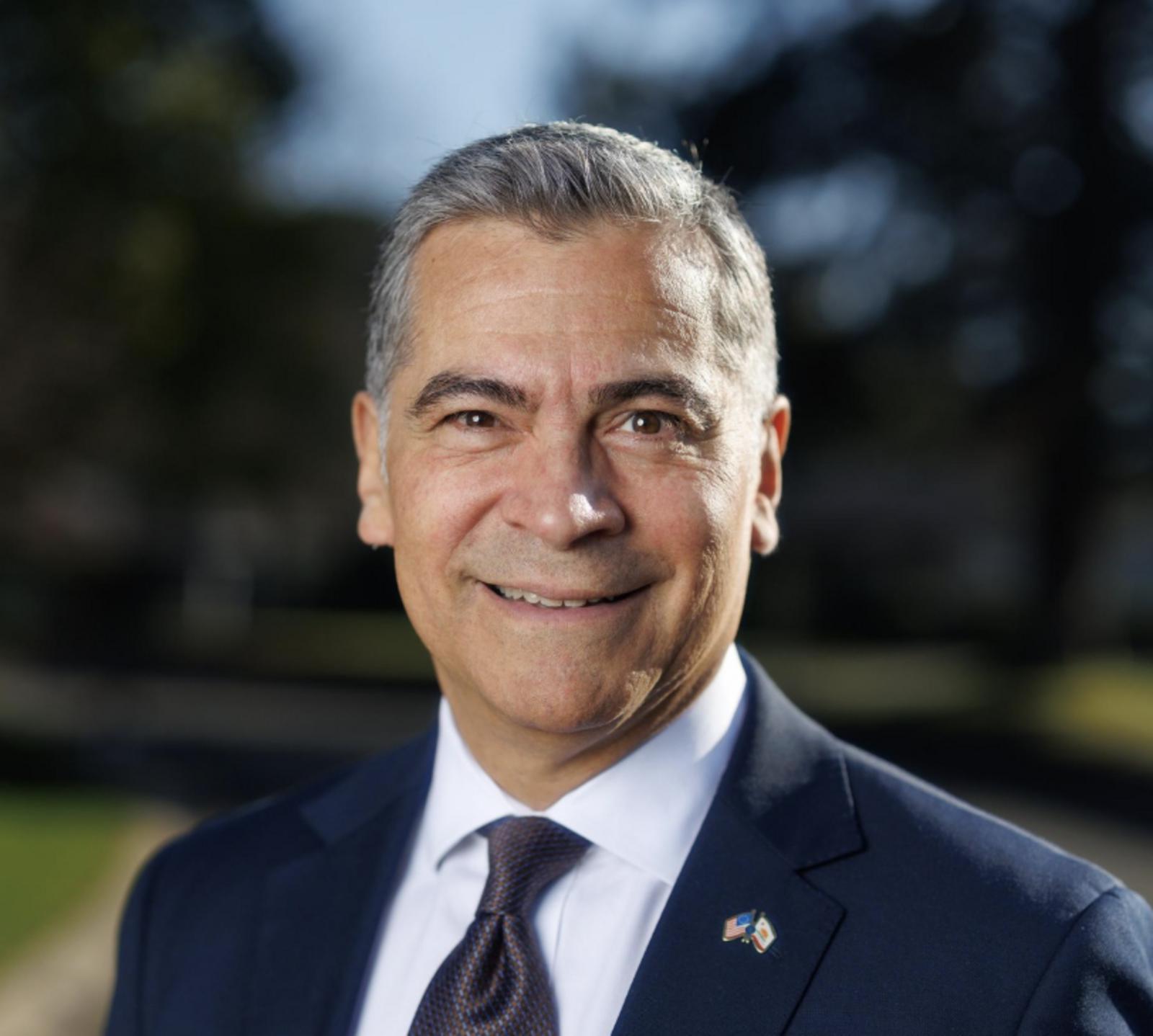
In the primary, my biggest fear was that with 61 candidates on the ballot, Democrats would split the vote and hand Republicans both spots in November. That didn’t happen, but the stakes are just as high: Xavier Becerra is now the only Democrat standing between California and Steve Hilton, a racist, Trump-endorsed Republican. Becerra finished first in June with 28.1% of the vote, ahead of Hilton (24.7%) and Tom Steyer (22.9%). Steyer has since conceded and endorsed Becerra, as has Governor Newsom. Becerra was my preferred candidate from the very beginning (I explain why here), so I’m relieved that voters rallied behind the candidate best prepared for the job. I’ve always admired Becerra. He’s steady, reliable, and honest, with vast experience in governance and a compelling personal story. From his website: “Becerra is the son of Mexican-American immigrants who came to America with $12 in their pockets. He grew up in the home that his father, a Union man, built himself [and] was the first in his family to go to college… [He] has spent 35 years serving California– from the State Assembly to the U.S. Congress, as California’s Attorney General, and the United States Secretary of Health and Human Services… As a member of Congress, Becerra saw how many families lacked access to quality, affordable healthcare, so he worked hard to help pass the Affordable Care Act (ACA), extending coverage to millions of Californians. As Attorney General, Becerra led the charge against the Trump Administration’s unlawful actions as they threatened our rights and freedoms. Becerra took Trump to court 122 times and won, never shying away from the hard fights and delivering time and again for Californians. And as United States Secretary of Health and Human Services, Becerra lowered Californians’ costs by negotiating down prescription drug prices for the first time in American history.” Now that it’s a two-person race, the attacks have intensified.
I support Laura Friedman, because she’s the only Democrat running, the incumbent, the most qualified candidate, and endorsed by people I trust. From her website: “Laura Friedman currently serves CA-30 in the United State House of Representatives, continuing a long record of progressive leadership and public service... Since arriving in Washington, Laura has been a consistent voice for public education, affordability, our environment, and safeguarding our democracy... Prior to her election to Congress, Laura served on the Glendale City Council and as Mayor, and later as a State Assemblymember, where she led efforts to combat climate change, prevent gun violence, protect reproductive freedom, defend the LGBTQ+ community, and expand housing affordability... In Congress, Laura is focused on... expanding access to affordable housing, supporting universal healthcare and childcare, strengthening economic security for families, and protecting democratic institutions.” From the LA Times (written in 2024, but it still feels relevant): “Friedman is the clear choice for the U.S. House of Representatives. Friedman, a state legislator and former Glendale City Council member… has built a reputation as a smart, thoughtful and principled policymaker who takes on difficult issues — such as the severe lack of housing, unsafe streets and climate change — to solve problems, not to earn political points. In just a few recent examples, she has gotten controversial but meaningful legislation passed to ban the use of potable water on purely ornamental landscaping [and] prohibit the use of “forever chemicals” in baby products. Many of her bills have run into opposition from constituents and colleagues opposed to growth or afraid of upsetting the status quo. Rather than caving to these pressures, Friedman digs in, fine-tunes the details and works to build support until the legislation finally passes.
I support Judy Chu, because she’s the only Democrat running, the most qualified candidate, and endorsed by people I trust. From her website: “Judy Chu was elected to the U.S. House of Representatives in 2009. [She] currently serves on the powerful House Ways and Means Committee, which has jurisdiction over legislation pertaining to taxes, revenues, Social Security, and Medicare. In that Committee, Rep. Chu is a member of the Subcommittees on Health, Worker and Family Support, and Oversight giving her oversight over healthcare reform and crucial safety net programs. She also serves on the House Small Business Committee, which has oversight over the Small Business Administration. Some of Rep. Chu’s proudest accomplishments in Congress include: Leading the passage of the COVID-19 Hate Crimes Act; Introducing and passing a Congressional resolution of regret for the Chinese Exclusion Act of 1882…Protecting women through the Women’s Health Protection Act, which enshrines the provisions of Roe v. Wade into statute… Leading the protest against the Muslim Travel Ban through the No Ban Act.” Judy Chu is endorsed by Senators Alex Padilla and Adam Schiff, Representatives Ted Lieu, Nancy Pelosi and Maxine Waters, Mayor Karen Bass, California Labor Federation, California Teachers Association, East Area Progressive Democrats and Courage California.
I support Barri Worth Girvan in this Dem vs Dem race, because she is running against Tim Gaspar, who is endorsed by the Los Angeles Police Protective League and real estate developer Rick Caruso. According to LA Forward (in the primary) the choice is clearly Girvan: “Barri has had a long career in public service, most recently serving as District Director of County Supervisor Lindsey Horvath. She had strong reputation among people who know her and of all the candidates in the race, she’s the one most likely to advance our agenda across a wide range of policy agenda from climate and environment to immigrant rights and unarmed crisis response. Although not a movement progressive and not aligned with our entire agenda, we think we could have a strong working relationship with her office… In contrast, Tim [Gaspar] would add to the council’s conservative bloc and be accountable to the most rightwing forces in the city like corporate landlords and police unions.” Barri Worth Girvan is endorsed by Reps. Julia Brownley and Luz Rivas, State Assemblymember Jacqui Irwin, Supervisor Lindsey Horvath, Assessor Jeffrey Prang, Los Angeles County Democratic Party, Los Angeles County Federation of Labor, AFL-CIO, Teamsters Joint Council 42, California Women’s List and LA Forward.
I support Robert Luna, because he is the most qualified candidate and endorsed by people I respect. Luna’s opponent is the terrible former Sheriff Alex Villanueva, whom Luna defeated in 2022. Villanueva’s years in office were riddled with controversy: he denied the existence of deputy gangs in the department, defied subpoenas from the county’s Civilian Oversight Commission, and created a unit that opened investigations into his own critics. According to LAist: “Robert Luna was elected in 2022 after serving as chief of police in Long Beach for seven years. He grew up in East Los Angeles and holds a master’s degree in public administration from Cal State Long Beach. Since he became sheriff, violent crime has fallen every year in the areas patrolled by the department, and homicides are down 25% since 2023, according to his website. That’s part of a nationwide trend of declining crime.” [In response to their question about immigration enforcement] The Sheriff’s Department does not participate in federal immigration enforcement. And, I have been vocal in disagreeing with the tactics that the US Border Patrol and Immigration and Customs Enforcement have been using to conduct their operations. My Department's focus is on public safety and local crime. I have made sure that victims and witnesses of crime, regardless of immigration status, feel comfortable coming to the Sheriff’s Department so that we can continue to protect communities and solve crimes. Coming from an immigrant family, I take this issue extremely seriously. I understand the fear, anxiety and anger that our immigrant communities face and I am motivated to continue working to create sustainable solutions to this untenable situation.” Robert Luna is endorsed by Sen. Alex Padilla, Reps.
There is some disagreement on the left on how to vote on EE. Its goal is to amend the city charter to increase local government accountability, but some people feel like it is piecemeal and toothless. Nevertheless, I am voting YES. According to LAist: This amendment would usher in… changes to the way voters hold Los Angeles City Hall accountable. [It] would reduce the number of times each week that the City Council meets — from the current three to just one. This is in line with what other major California cities, like San Diego and Sacramento, are doing. [It] would also: Increase penalties for violating campaign finance rules. Bar ethics commissioners from running for local office for five years following their terms. Increase the number of signatures required for ballot referendums. Safeguard independent oversight of L.A. City’s fire and police departments.” Measure EE is supported by Stonewall Young Democrats, East Area Progressive Democrats, LA Forward, and Knock LA.