地方选民指南
 Brendan K Maginnis
2026 North Carolina Primary Election Ballot
Brendan K Maginnis' Bipartisan Voter Guide
I've been passionate about politics since I was young and have been actively involved for over 20 years—as a volunteer, campaign staffer, activist, organizer, and candidate myself. I believe informed voters make better decisions, both for themselves and their community. Too often, however, reliable information is hard to find, limited, or scattered across multiple sources. The goal of my voter guide is to share recommendations drawn from my extensive knowledge of local issues and the electoral process. It can serve as a starting point to help people learn more about the candidates or as a tie-breaker for those still undecided in specific races.
筛选Brendan K Maginnis的选择
U.S. Senate - North Carolina

Roy Cooper
DemocraticGovernor, North Carolina
首选While I disagree with Roy Cooper's tight control over NC politics via his close ties to strategist Morgan Jackson (which has produced mixed results in down-ballot races that negatively impacted North Carolina), putting his thumb on the scale in primaries despite his role as de facto leader of the NCDP while Governor, and hoarding fundraising that could have helped other Democrats in the past, sometimes it's about setting those aside to prioritize winning crucial races. Cooper undoubtedly has the best chance to capture this pivotal U.S. Senate seat, leveraging his statewide name recognition, proven track record as Governor, and broad appeal that could flip the seat from Republican control. As a known entity in NC politics, this should be Cooper's race to lose in the general against a potentially vulnerable GOP opponent. I fully endorse Roy Cooper in both the Democratic primary and the general election. I hope he brings much-needed tenacity to a Senate Democratic caucus that often seems rudderless, fighting aggressively for North Carolina's priorities on the national stage.

Michael D. Whatley
RepublicanExecutive Vice President, Consumer Energy Alliance
In the Republican primary for U.S. Senate, I endorse Michael Whatley, but only because his opponents—like Don Brown and Michele Morrow—are too radical, pushing extreme positions that alienate moderates and focus excessively on fringe issues rather than broad conservative governance. Whatley's platform, while aligned with Trump's agenda on key priorities like border security and economic nationalism, remains weak outside of that endorsement, potentially leaving voters—especially those who aren't diehard Trump fans—questioning what exactly they're voting for amid the constant shifts in Trump's policy stances. As former RNC Chair with Trump's backing, Whatley offers organizational experience and party unity, making him a more stable choice in a crowded field. However, for voters seeking representation above partisan politics, Democrat Roy Cooper should still be the clear pick in November to prioritize North Carolina's needs over national drama. For those pulling a Republican ballot in the primary, Whatley appears to be the sanest option available.
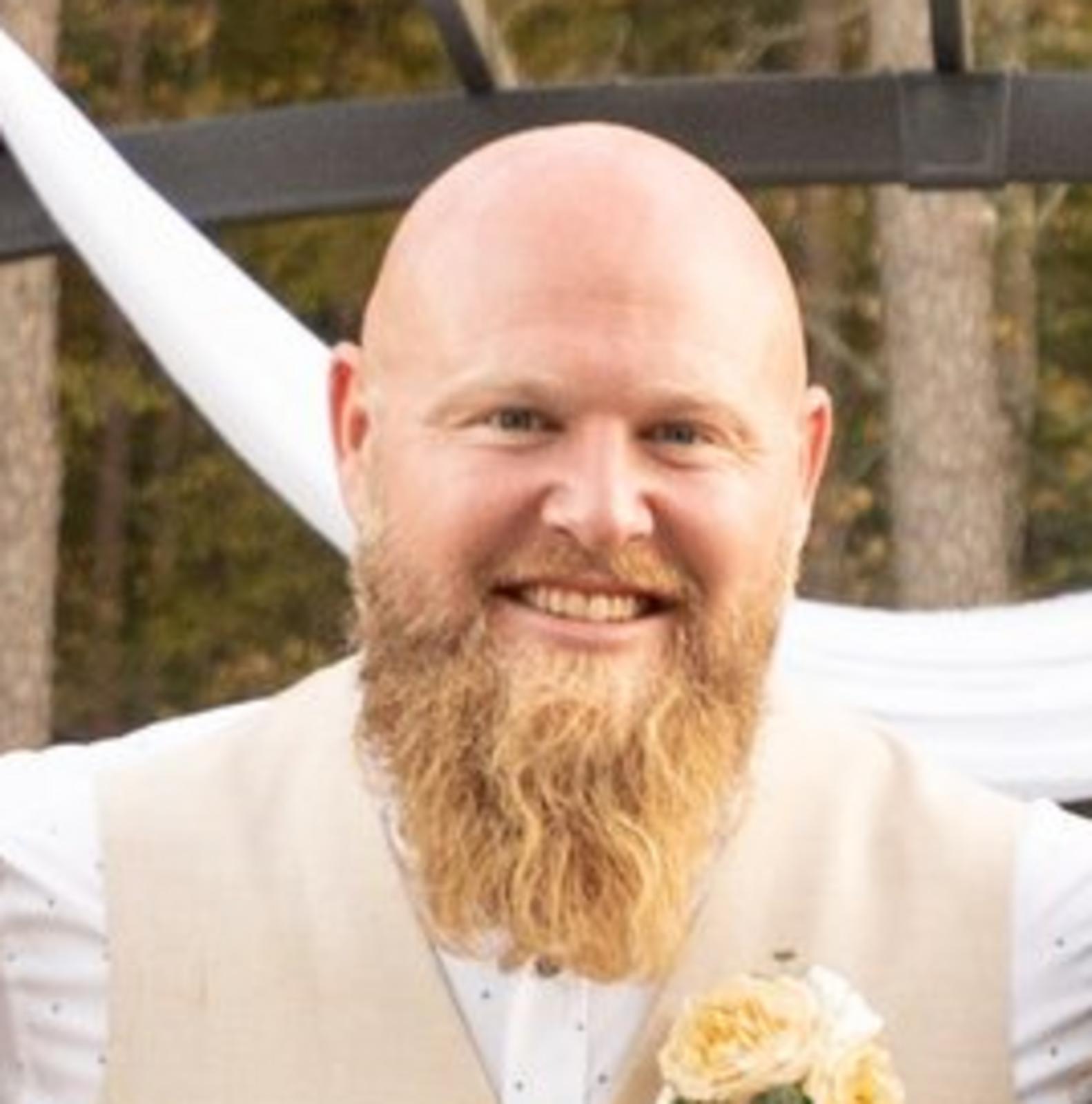
Justin E. Dues
DemocraticTechnology Commercialization Counselor, NC SBTDC
I am not endorsing Justin Dues in the Democratic primary for U.S. Senate, where Roy Cooper remains the clear frontrunner. However, Dues deserves recognition for his genuine effort to fully participate in this crowded field—filled with perennial candidates—by responding to multiple candidate questionnaires (including WBTV and others), sharing his platform as a tech consultant and Marine Corps veteran, and engaging voters despite knowing he will almost certainly lose. In a primary where most challengers receive little attention, his willingness to show up and make his case stands out as a form of public service. Voters should at least take a moment to find out more about him, read his responses, and remember his name as a small reward for those efforts—contributions like this help keep the democratic process alive even in lopsided races.

Michele M. Morrow
RepublicanMiddle School Teacher
I do not endorse Michele Morrow in the Republican primary for U.S. Senate, despite some grassroots pushes framing her as a bold alternative to frontrunner Michael Whatley. As a late entrant with a hard-right platform, Morrow's history—including controversial past social media posts calling for executing public figures like Barack Obama and promoting QAnon conspiracies—raises serious alarms about her fitness for office. Even the mere possibility of her advancing past the primaries should concern voters, as her extreme views and divisive rhetoric prioritize outrage over substantive policy and could undermine broader conservative goals. While she emphasizes conservative education reform and parental rights from her 2024 run for Superintendent of Public Instruction, these are overshadowed by her inflammatory statements that make her an unreliable choice for representing North Carolina in the Senate. Republican voters should consider more stable options to ensure the party fields a candidate capable of effective governance.

Donald M. Brown
RepublicanAttorney, Brown & Associates, PLLC
I do not endorse Don Brown in the Republican primary for U.S. Senate, as his positions come across as too radical for mainstream voters, including his defense of January 6 defendants, emphasis on extreme loyalty to Trump nominees, and hard-line stances that prioritize cultural battles over broader policy solutions. As a retired U.S. Navy JAG officer and attorney, Brown has experience, but his platform appeals primarily to the far-right fringe rather than offering a balanced conservative vision for North Carolina. Voters should only consider him if they fully align with his stated agenda—such as criticizing perceived disloyalty within the GOP and pushing aggressive America First rhetoric—and not view him as a viable alternative to frontrunner Michael Whatley. In a crowded field where Whatley holds a commanding lead with Trump's endorsement, Brown's approach risks further polarizing the party without providing practical governance. Republican voters deserve options that focus on unity and electability over divisiveness.
U.S. House of Representatives - North Carolina 12th Congressional District
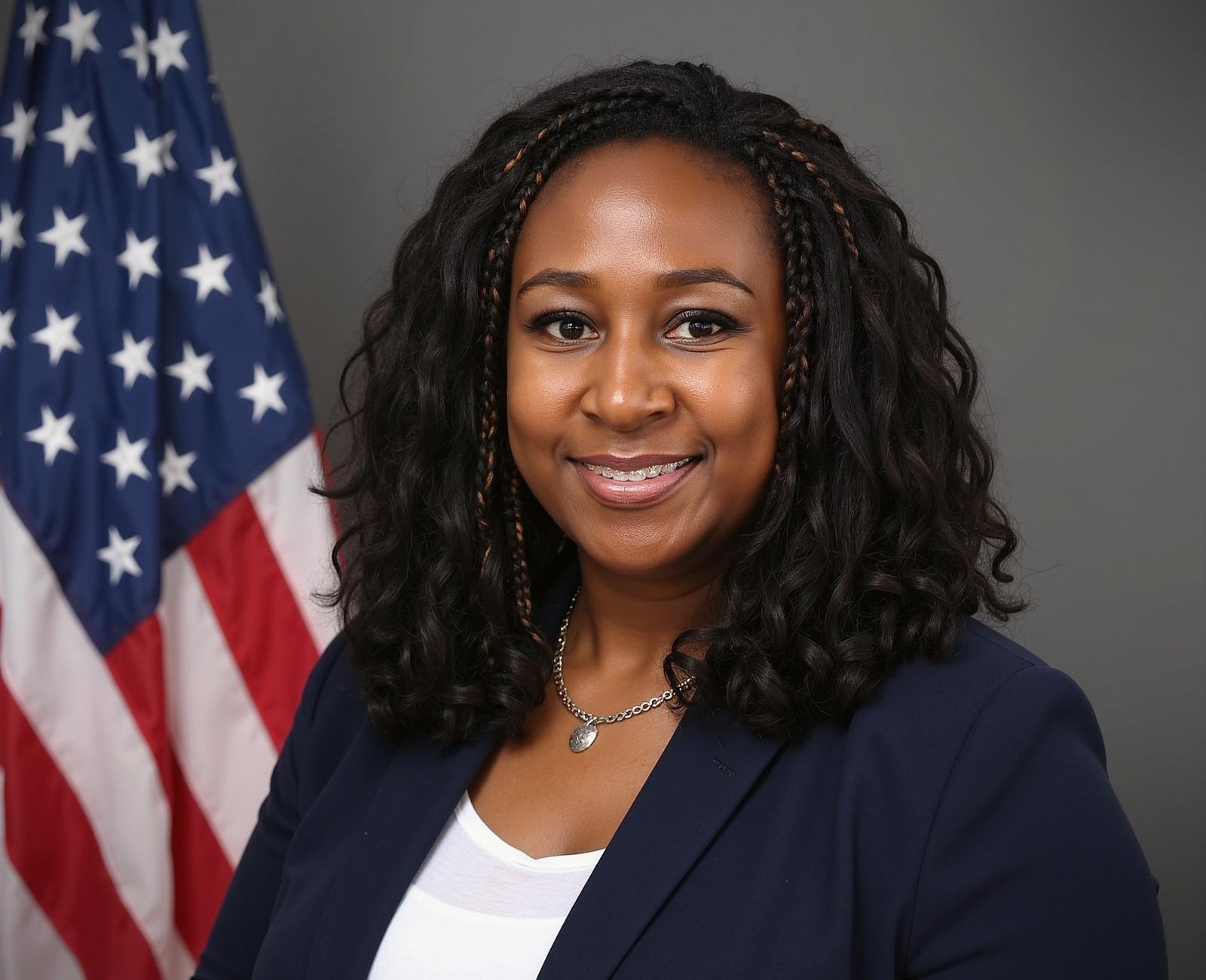
Monaca Williamson
DemocraticTeacher
首选In contrast to the incumbent, Monaca Williamson brings (relative) youth, a fresh perspective, and a genuine drive to pass meaningful legislation with a broader focus on key issues facing working families, affordability, education, and healthcare. As a longtime public school teacher and entrepreneur, she offers a non-career-politician approach that emphasizes transparency, accountability, and aggressive action on progressive priorities. While some may view her relative inexperience as a drawback, we frequently criticize career politicians yet keep reelecting them—Williamson's readiness to challenge the status quo shows the fighting spirit Democrats need right now. She may not be the perfect replacement, but the incumbent's reluctance to mentor a successor has left us with a candidate strong enough to step up where others merely wait for retirement. That determination alone is worth supporting, and I'm willing to give Ms. Williamson two years to turn her promises into results for the district. For these reasons, I endorse Monaca Williamson in the Democratic primary as a step toward more dynamic and effective representation for the 12th District and North Carolina.
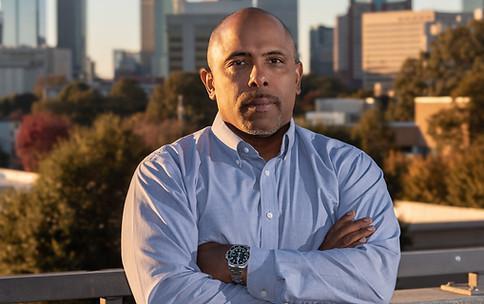
Addul Ali
RepublicanSales Specialist, Red Ventures
Addul Ali brings a strong history of political involvement, including service as Chairman of the Cabarrus County GOP and the 12th District GOP, along with founding the NCGOP Black Conservative Voices Coalition and his background as an Army veteran and community organizer. These experiences make him one of the more seasoned and capable candidates Republicans could field in this district. His emphasis on public safety, lowering the cost of living, and championing education and early childhood literacy aligns with practical priorities for the Charlotte area. While I ultimately think he would not be the best fit to represent the diverse needs of North Carolina's 12th District in the general election—due to his support for certain policies by the current administration that hurt the district and show a desire to put party over people—he stands out as the best candidate to come through for Republicans in the primary.
For these reasons, I endorse Addul Ali in the Republican primary.
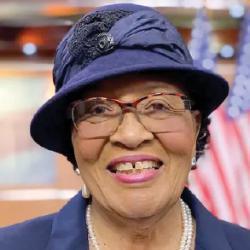
Alma S. Adams
DemocraticCongressmember - North Carolina 12th Congressional District, US House of Representatives
While Rep. Alma Adams has done one thing consistently well—showing up in her district—she has stumbled in many areas that define an effective representative, including legislative productivity and vocal advocacy on broader issues. She embodies many of the concerns Democrats raise in their push for new leadership: being older, perceived as ineffective, and not vocal enough on critical matters affecting her constituents and the nation. Over her roughly 11 years in Congress, Adams has seen only 4 policy-driven bills enacted into law, with a heavy focus on Historically Black Colleges and Universities (HBCUs)—a worthy priority, but one that comes at the expense of addressing the full range of needs across her diverse district and the state of North Carolina. With the limited number of Black elected officials in Congress, it's understandable for her to champion causes for the Black community; however, as one of only 4 (and possibly 3 after this election) elected House Democrats from North Carolina, we need a representative who advocates more broadly for all residents of the 12th District and the entire state. As the incumbent in one of the safest Democratic seats in the entire U.S., the district—and the country—deserve someone who is more vocal and proactive in challenging the current administration's policies on a national stage. Her delayed response to the Iryna Zarutska murder—coming after 17 days and even after statements from the Governor and Attorney General- highlights either an unwillingness to confront Republican narratives or an inability to effectively defend against them, which is not what this district needs at this pivotal time.
For these reasons, I am not endorsing Alma Adams in the Democratic primary.

John C. Codiga
RepublicanAssociate Producer, Medalist Capital
John C. Codiga is a finance professional and recent Charlotte resident whose platform highlights conservative principles such as sound money, free markets, and America First policies. However, several of his positions stand out as extreme, including calls to abolish the Federal Reserve and return to a gold/silver standard, eliminate Social Security and other entitlement programs (which he has described as Ponzi schemes), impose a federal abortion ban, criminalize certain pornography production, and impose strict limits on immigration and work visas. His aggressive advocacy for mandatory voter ID, nationwide paper ballots, and related election reforms—while presented as election security measures—could be viewed as overly restrictive and burdensome in a diverse, urban district like NC-12. These stances appear to prioritize ideological purity over practical, inclusive solutions that address the everyday needs of working families and communities in Charlotte. For these reasons, I am not endorsing John C. Codiga in the Republican primary.
U.S. House of Representatives - North Carolina 13th Congressional District

Paul J. Barringer III
DemocraticHealth Policy Consultant, Enterprise Support Partners, LLC
首选In the Democratic primary for NC-13, I endorse Paul Barringer. As a 58-year-old attorney, health care consultant, tree farmer, and family man from Lee County, he brings common-sense experience in improving Medicaid programs, cost control, and access to care, while emphasizing fiscal discipline, lowering costs for families, supporting small businesses and workers, and reaffirming Congress as an independent branch focused on practical policies for ordinary Americans. His platform prioritizes accountability and real results over partisan extremes, making him a strong choice to represent the Triangle-area district. With incumbent Republican Brad Knott highly likely to win the general in this red-leaning seat, the primary is about selecting the candidate whose priorities deserve more airtime and visibility afterward. Barringer's seasoned, pragmatic approach makes him the best fit for that.

Alexander Nicholi
DemocraticSoftware Consultant, Esa Algisa
Alexander Nicholi is a young software developer and informatician running in the NC-13 Democratic primary, bringing fresh ideas on issues like fiscal responsibility (opposing deficit spending) and modern challenges in technology and the economy. His progressive-leaning platform and Gen Z perspective add energy to the race. While I am not endorsing him this time, his candidacy shows promise and could serve as a valuable stepping stone for future runs as he builds experience and name recognition. In a district where Brad Knott is favored to win the general, consider if his forward-thinking vision resonates personally for amplifying certain issues post-primary.

Brad Knott
RepublicanCongressmember - North Carolina 13th Congressional District, U.S. House of Representatives
Incumbent Brad Knott, a first-term Republican and former federal prosecutor, has shown little actual benefit to NC-13 over the two years he's served, with limited legislative achievements or direct impacts on the Triangle-area district's priorities like affordability and economic growth. While he is highly likely to win the primary and the general in this red-leaning seat, Republican voters should consider whether giving him an easy path through the primary will encourage any real accountability or motivate him to deliver more substantive results in another two years. They should also consider if a protest vote in either the primary or the general is a better use of their vote to send a clearer message about demanding more from their representative. Instead of a rubber-stamp vote, weigh if Knott truly represents the best option for the district when it comes to the general election—his record so far suggests a need for more proactive representation. For these reasons, I do not endorse Brad Knott in the Republican primary. Voters should research thoroughly and demand more from their candidates.

Jeremiah-Frank L. Pierce
DemocraticTeacher, Forest Middle School
Frank Pierce, a 40-year-old Raleigh landscaping business owner, is a good candidate running a rematch against incumbent Brad Knott after his 2024 general election loss (41% to Knott's 59%). He focuses on moderate Democratic priorities like abortion rights, public education, immigration reform, and grassroots engagement (including extensive door-knocking in past cycles). However, questions remain about whether he's done enough in the past two years—such as building stronger organization, fundraising, or broadening appeal—to change the outcome against a now-incumbent with establishment support in this red-leaning district. While his persistence is commendable, I am not endorsing him in this primary. Voters should weigh if his approach has evolved sufficiently to make a stronger case this time around.
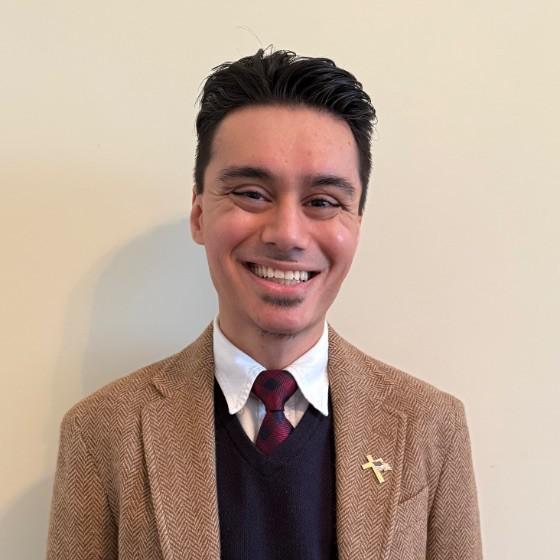
Siddhanth Sharma
RepublicanAccountant, Accounting Experts, Inc.
Sid Sharma, a 29-year-old Republican challenger, brings youth and fresh energy to the NC-13 primary, but offers little else in terms of detailed policy proposals, experience, or a compelling vision to effectively represent the district's needs. His platform, while conservative-leaning, lacks the depth to stand out in a race against an established incumbent like Knott. With Knott poised to win the primary handily, Republican voters might see Sharma as a protest vote option, and they should consider if a protest vote in either the primary or the general is a better use of their vote to push for greater accountability overall. For these reasons, I do not endorse Sid Sharma in the Republican primary. Instead, consider how your vote can push for stronger, more impactful candidates overall.
U.S. House of Representatives - North Carolina 14th Congressional District

Kathryn Compton Barr
RepublicanFounder, Fair Map Fight Club
首选Despite her background as a Democrat and her open acknowledgment of switching parties to challenge gerrymandering, Kate Barr brings practical, people-focused policies that directly benefit the constituents of North Carolina's 14th District, rather than serving as a partisan rubber stamp for Trump administration policies that have negatively impacted the area. Her platform emphasizes fair pay through a living minimum wage, affordable childcare and housing, high-quality public education, clean water, healthy food access, and job training programs—issues that address everyday needs in Charlotte suburbs and rural communities alike. While Republicans might find it counterintuitive to vote for her given her progressive leanings and "fake Republican" label, pulling back the curtain on her actual policies reveals a commonsense approach that many in the GOP base would readily support if presented without party labels. As a behavioral scientist and advocate for fair maps, she offers a fresh, non-ideological perspective in a district where the primary effectively decides the winner due to its Republican lean. For these reasons, I endorse Kate Barr in the Republican primary, urging voters to look beyond affiliations and prioritize substantive ideas that serve the community.
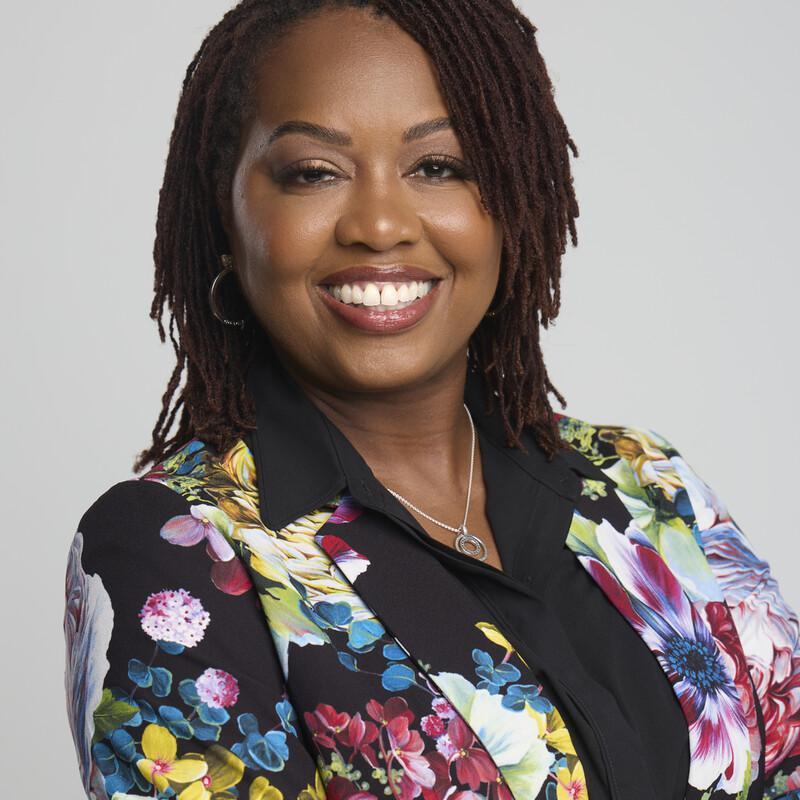
LaKesha S. Womack
DemocraticChief Strategy Officer, ASPIRE Community Capital
首选In the Democratic primary for NC-14, I endorse LaKesha Womack. She brings proven leadership in economic development, community advocacy, and strategic planning, with a focus on affordability, economic justice, lowering costs for working families (healthcare, housing, child care), and investing in small businesses, workforce training, and rural infrastructure. Her experience and endorsements (including from the Black Political Caucus) position her to deliver practical results and amplify these issues effectively. Given the very high probability that incumbent Republican Tim Moore wins the general in this R-leaning district, the primary choice should prioritize the candidate whose platform you want to see get more airtime and attention after March. LaKesha's people-centered approach makes her the strongest pick for that.

Brent M. Caldwell
DemocraticAssociate, Lord & Lindley
Brent Caldwell is a solid, viable choice in the NC-14 Democratic primary. As a real estate attorney, former labor organizer, and progressive advocate, he emphasizes lowering the cost of living through more housing, a public healthcare option, government childcare support, protecting democracy (ending gerrymandering, reducing money in politics), and ensuring working people benefit from economic growth and AI. His organized campaign and focus on structural reforms show commitment to long-term change. With Tim Moore almost certain to prevail in the general election in this solidly Republican-leaning district, consider voting for the candidate whose priorities—especially affordability and democratic protections—resonate most with you and deserve broader visibility post-primary. Brent offers a thoughtful, pragmatic path forward.
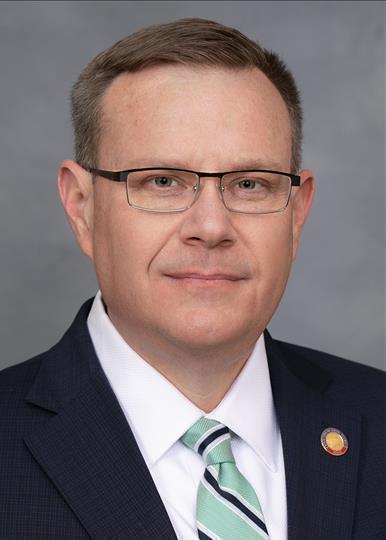
Timothy K. Moore
RepublicanCounty Lawyer, Cleveland County, North Carolina
There is no question that Tim Moore previously brought tangible benefits to his former district—particularly Cleveland County—during his tenure as North Carolina House Speaker, which helps explain his strong performance in this new, redrawn district. However, without that same institutional power to deliver direct resources and projects to NC-14, Republican voters should seriously question whether his current focus on culture-war issues over kitchen-table priorities like affordability, healthcare access, and childcare costs truly serves the district's needs. This concern is compounded by Moore's well-documented campaign finance controversies and apparent conflicts of interest related to self-enrichment, which raise doubts about whose interests he prioritizes. If a Republican voter is seeking a "Trump-lite" candidate who aligns closely with national conservative rhetoric, Moore fits that profile. But for those who genuinely prioritize substantive solutions to everyday economic challenges facing working families in Charlotte suburbs and rural counties alike, his record offers little in the way of meaningful proposals—he has become the poster boy for collecting a check rather than delivering results. For these reasons, I do not endorse Tim Moore in the Republican primary. Voters should carefully weigh these factors and consider whether his approach matches the practical needs of the district.
U.S. House of Representatives - North Carolina 8th Congressional District

Colby Watson
DemocraticOwner, Garnet Contracting
首选In the Democratic primary for North Carolina's 8th District, I endorse Colby Watson for his relatable, non-career-politician appeal as a small business owner and family man, with a pragmatic platform focused on combating corporate greed in housing, raising teacher pay, investing in education, addressing high crime, and restoring government trust—issues that directly tackle the economic struggles in this central and southern NC district. Grassroots mobilization and directly reaching voters are especially important in this district to build support and counter the incumbent's advantages, and Watson has a clear edge here through highly visible efforts like his 25-mile daily walks across the district, which generate personal connections, name recognition, and genuine energy. Note that Jesse Oppenheim has withdrawn from the race (due to unexpected medical news), though he remains on the ballot; this leaves Watson and Kevin Clark as the active contenders. While either nominee faces a tough uphill fight in the general against Mark Harris in this solidly Republican-leaning seat, Watson stands out as the stronger pick to amplify these kitchen-table priorities through sustained outreach. The winner should reward voters' faith with relentless effort, delivering tangible results to prove their dedication. For these reasons, I endorse Colby Watson as the best choice to push for prosperity and accountability in NC-8.
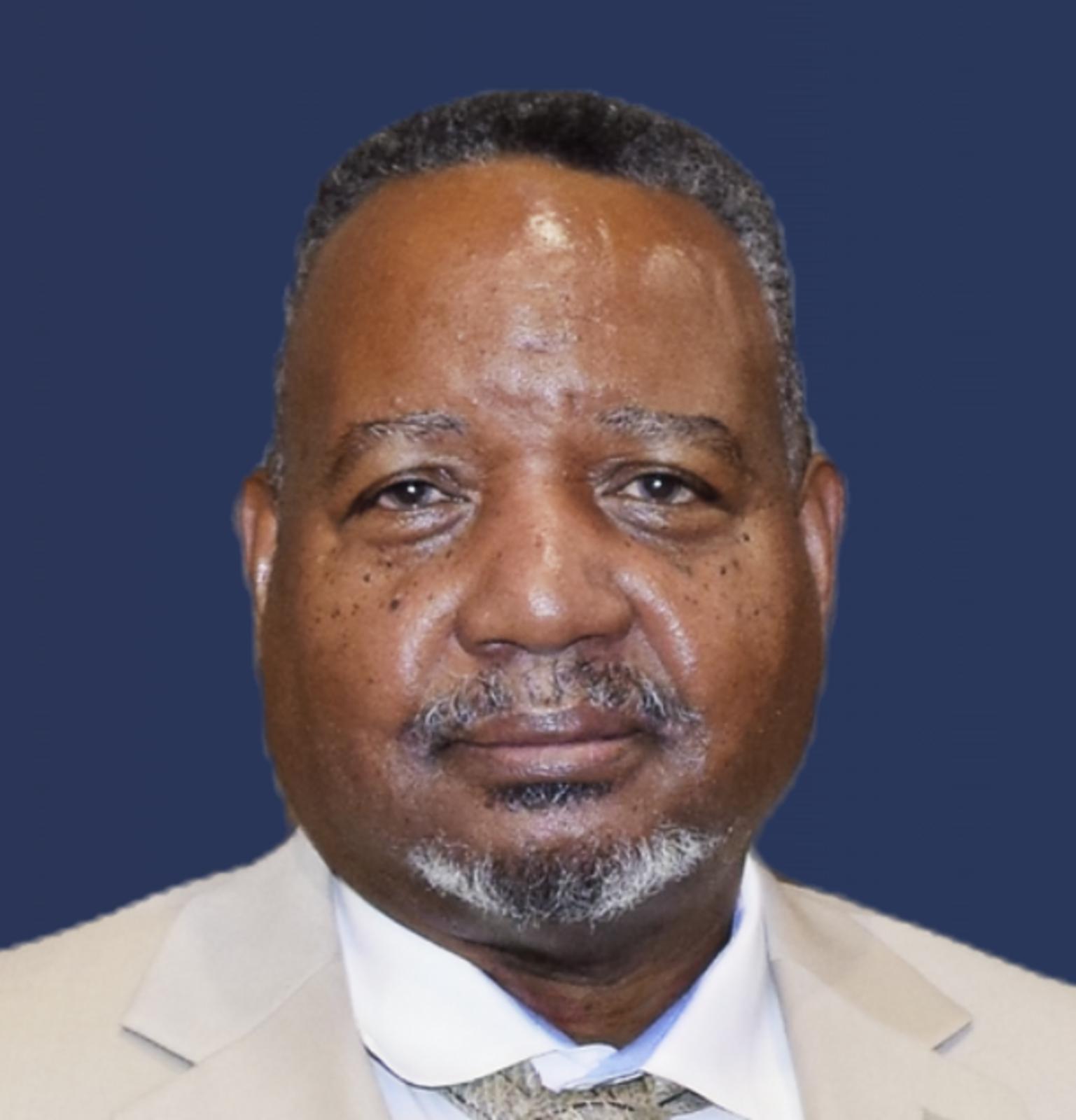
Kevin R. Clark
DemocraticSpecial Forces / Civil Affairs Officer, US Army
Kevin Clark brings a commendable background as a U.S. Army veteran, community activist, and former Richmond County Democratic Party Chairman, with a platform centered on rebuilding opportunities through investments in education, working families, and communities—worthy priorities for NC-8's rural and working-class areas. Grassroots mobilization and directly reaching voters are especially important in this district to build support and counter the incumbent's advantages, and Clark's experience in prior local races demonstrates solid familiarity with that kind of engagement. Note that Jesse Oppenheim has withdrawn from the race (due to unexpected medical news), though he remains on the ballot; this leaves Clark and Colby Watson as the active contenders. However, Watson appears to have a clear advantage in this aspect through highly visible efforts like his 25-mile daily walks across the district, which generate more personal connections and name recognition. While Clark is a solid candidate, I do not endorse him, favoring the contender who shows stronger momentum in reaching voters directly. Either Democratic nominee faces a steep uphill battle in this Republican-leaning district, so the winner must reward voters' faith with unwavering effort and tangible progress to build long-term support.
U.S. House of Representatives - North Carolina 9th Congressional District
Richard N. Ojeda II
DemocraticSenator, West Virginia State Senate
首选I endorse Richard Ojeda for his extensive experience both in public office—as a former West Virginia state senator—and in private life as an Army veteran with 24 years of service, including deployments to Iraq and Afghanistan, bringing a grounded perspective to Congress. He represents what many Democrats wish for but rarely vote for: an outspoken, tough advocate who projects strength against the current administration's policies, unapologetically calling out extremism while fighting for working-class issues like labor rights and economic fairness. Ojeda symbolizes the growing push in Democratic circles to prioritize winnable candidates over ideological purity, blending progressive values with a pragmatic, no-nonsense style that appeals across divides. His background as a military veteran and blue-collar champion lends itself well to connecting with voters in this rural, red-leaning district, where authenticity and resilience could make inroads against the Republican incumbent. For those seeking a fighter who can compete in tough terrain, Ojeda is the standout choice in this primary.
Loren D. Bibler
DemocraticHorticultural Specialist, Lonnie Poole Golf Course
Brings youthful energy and progressive ideas to the race, offering a fresh perspective that could energize younger voters and highlight forward-thinking solutions for central North Carolina.
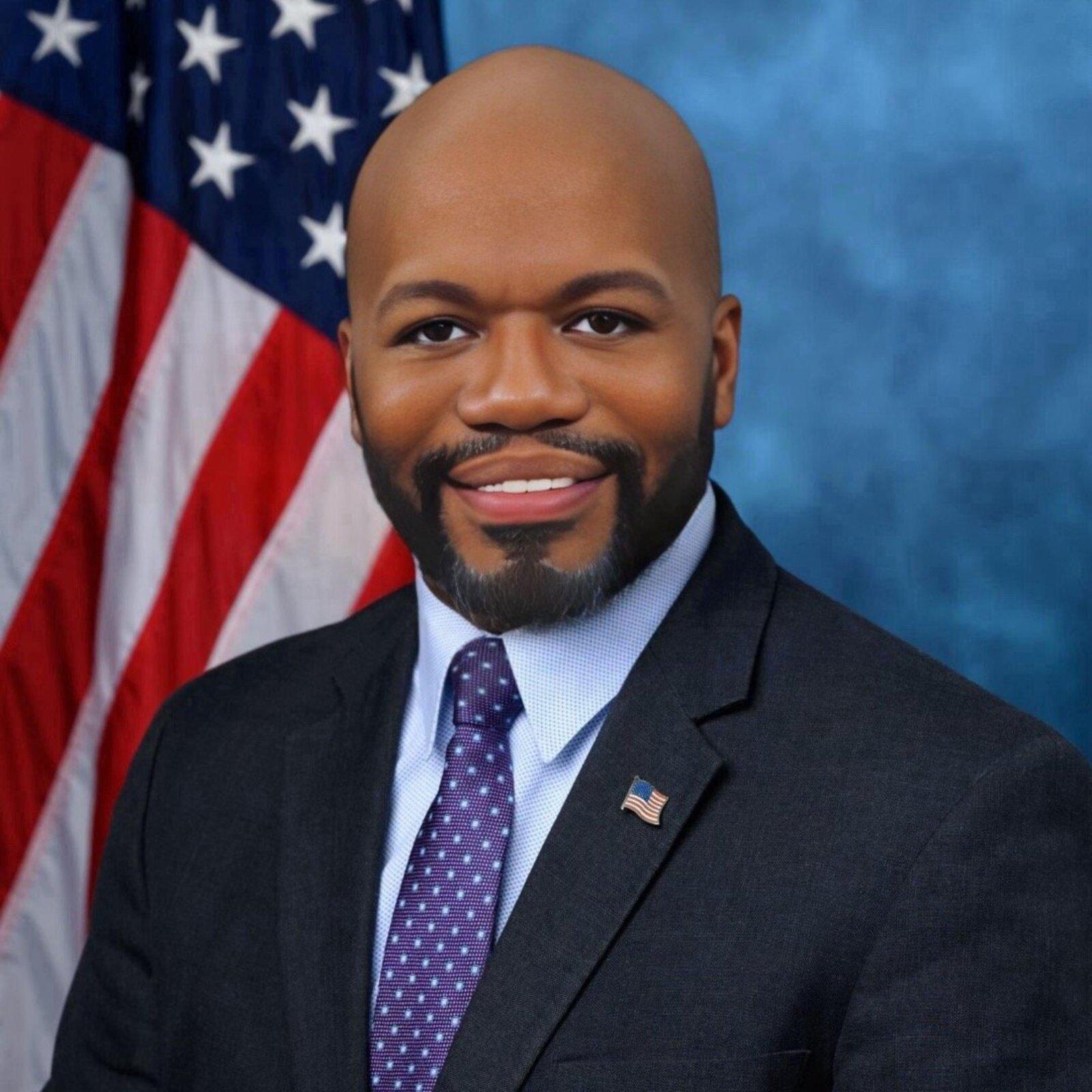
Lent C. Carr II
DemocraticCEO/President, Emmaus Corp
Demonstrates commitment through his willingness to run and engage on local issues, contributing to a stronger conversation about the district's needs even in a challenging environment.
Nigel William Bristow
DemocraticChief Probation Officer, North Carolina Department of Adult Correction
I do not endorse Nigel Bristow in the Democratic primary for U.S. House, as his community-focused platform—centered on economic development, accessibility, and rural district needs—doesn't quite match the standout qualities of his opponent. Bristow offers reliability and familiarity from his 2024 challenge to the incumbent, bringing steady advocacy for everyday issues that resonate in central North Carolina's rural and suburban mix. However, in a field without Richard Ojeda's veteran background, outspoken style, and broader appeal, Bristow would be the clear choice as a dependable alternative. Voters should consider his consistency when weighing the options, but the presence of a more dynamic contender shifts the balance away from endorsement here.
North Carolina House of Representatives - District 105
Kelly VanHorn
RepublicanUnion Community Organizer, American Federation of Teachers AFL-CIO
首选I endorse Kelly VanHorn in the Republican primary for her solid, principled approach as a teacher and moderate conservative focused on fully funding public education (including Leandro), affordable healthcare, and infrastructure improvements like public transportation—priorities that directly serve the needs of south Charlotte, Matthews, and Mint Hill residents. While there have been questions about whether she's a "true Republican," sometimes voters need to look past labels and support the best candidate overall, particularly unaffiliated voters who can participate in the GOP primary and prioritize substance over party purity. In this race, VanHorn stands out as the clear choice despite not being the incumbent, offering stability and conviction where Tricia Cotham has wavered dramatically, including her party switch that raises doubts about her reliability. VanHorn's emphasis on bridging divides and valuing individual freedom contrasts sharply with Cotham's lack of consistent advocacy for district-specific issues. For those seeking effective, unwavering representation, VanHorn is the stronger, more dependable option.
Patricia Ann Cotham
RepublicanState Representative - District 105, North Carolina State House of Representatives
I do not endorse Tricia Cotham in the Republican primary, as even Republican voters must question her dramatic party switch from Democrat to Republican in 2023, wondering if another switch back is just a few perceived offenses away given her history. She's done little with her seat to benefit the district, showing a lack of conviction on key issues like education, healthcare, and infrastructure that directly affect south Charlotte, Matthews, and Mint Hill residents—she's the epitome of a seat warmer prioritizing survival over substantive action. If this were November, Republican voters might feel stuck knowing exactly who they're getting, but with a solid alternative in Kelly VanHorn offering moderate, principled conservatism, moderate Republicans and unaffiliated voters participating in the GOP primary should seriously wonder if a vote for Cotham is a vote lost in a district that deserves better representation.
North Carolina House of Representatives - District 106
Vermanno Bowman
DemocraticQuality Control Coordinator, Civic360
首选Solidly blue districts like NC-106 give Democrats the rare opportunity to safely elect candidates who vocally champion the progressive issues they demand during non-election years—issues that often can't be campaigned on in more competitive seats. Vermanno Bowman embodies exactly what many Democrats say they want: youth (at 28), bold vision, commitment to progressive priorities like universal healthcare, criminal justice reform with accountable policing, education equity, climate action, and economic justice, plus a demonstrated fighting spirit through his service as a veteran Military Police officer in the North Carolina Army National Guard. His platform addresses core needs of north Charlotte and Huntersville residents while also speaking to broader North Carolina challenges, offering unapologetic advocacy for working-class communities. In this primary—where the winner will be the de facto official in November due to the district's heavy Democratic lean—voters face a clear choice: play it "safe" by simply aiming to oust a problematic incumbent, or use their vote to install someone they actually want in the seat for dynamic, forward-thinking representation. Bowman represents that bolder, more authentic option. For these reasons, I endorse Vermanno Bowman in the Democratic primary
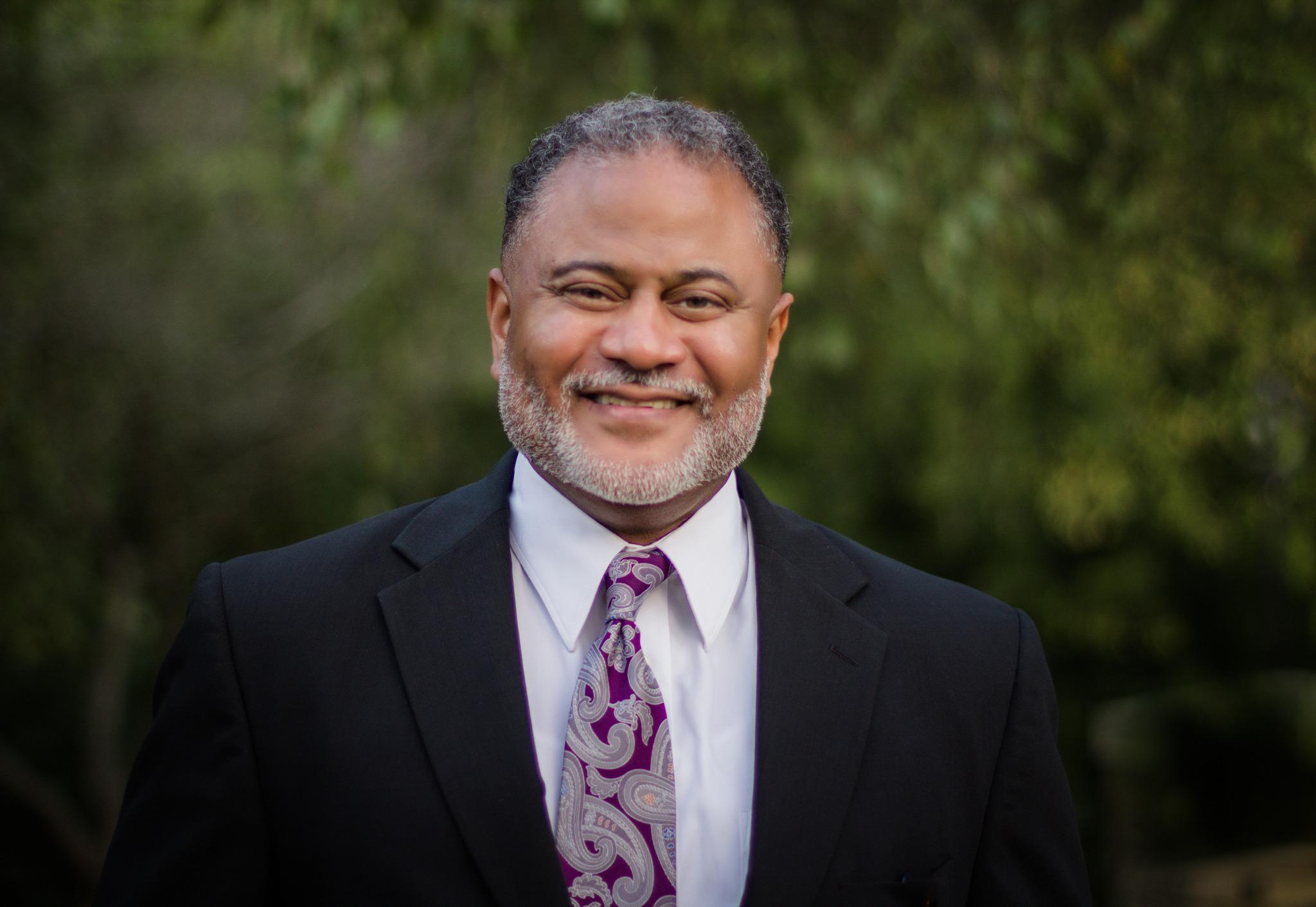
Rodney Sadler
DemocraticInterim Director, Duke University Divinity School, Office of Black Church Studies
While it would be easy to endorse Rodney Sadler based on his strong resume—including his background as a pastor, professor, author, community leader, and consistent Democratic activist—along with significant party support and establishment backing, the real question is whether that very support positions him as just another "same old, same old" option for Democrats hungry for fresh ideas and new energy in the party. Sadler's campaign emphasizes progressive values, equity, justice, education, and community investment, which align well with the district's needs, but his deep ties to traditional party structures raise concerns about whether he represents genuine renewal or simply the safest, most predictable choice to defeat incumbent Carla Cunningham. The heavy institutional backing he has received often seems driven more by the perception that he's the strongest bet to unseat Cunningham amid her controversies, rather than broad enthusiasm for his vision as a transformative leader. In a solidly blue district like NC-106, voters deserve a candidate who inspires beyond being the anti-Cunningham option—one who brings authentic innovation and excitement to Democratic representation. For these reasons, I do not endorse Rodney Sadler in the Democratic primary. Voters should carefully assess whether the party establishment's preference truly serves the call for new energy or merely perpetuates the status quo.
Carla D. Cunningham
DemocraticState Representative - District 106, North Carolina House of Representatives
Rep. Carla Cunningham has done a good job in the past, delivering for her north Charlotte constituents over multiple terms in this solidly blue district. However, her recent perceived racist remarks—particularly her floor speech on HB 318 where she stated "all cultures are not equal" and emphasized immigrant assimilation—have drawn significant backlash from community members, colleagues, and immigrants who labeled the comments inflammatory, xenophobic, and divisive. Combined with her repeated breaks from Democratic priorities (voting with Republicans more than any other Democrat in 2025, including overriding vetoes on immigration enforcement and other issues), these actions raise serious questions about whether she can effectively represent the district moving forward. While it is commendable in a hyper-partisan environment for elected officials to break from their party on tough issues, such independence is better suited to toss-up districts rather than a heavily Democratic one where constituents expect alignment with party lines on core matters. If Cunningham wishes to remain an elected official, it might be better for her to seek a district that more closely matches her evolving beliefs rather than attempting to impose them on a constituency that has consistently supported progressive Democratic values. For these reasons, I do not endorse Carla Cunningham in the Democratic primary.
North Carolina House of Representatives - District 99
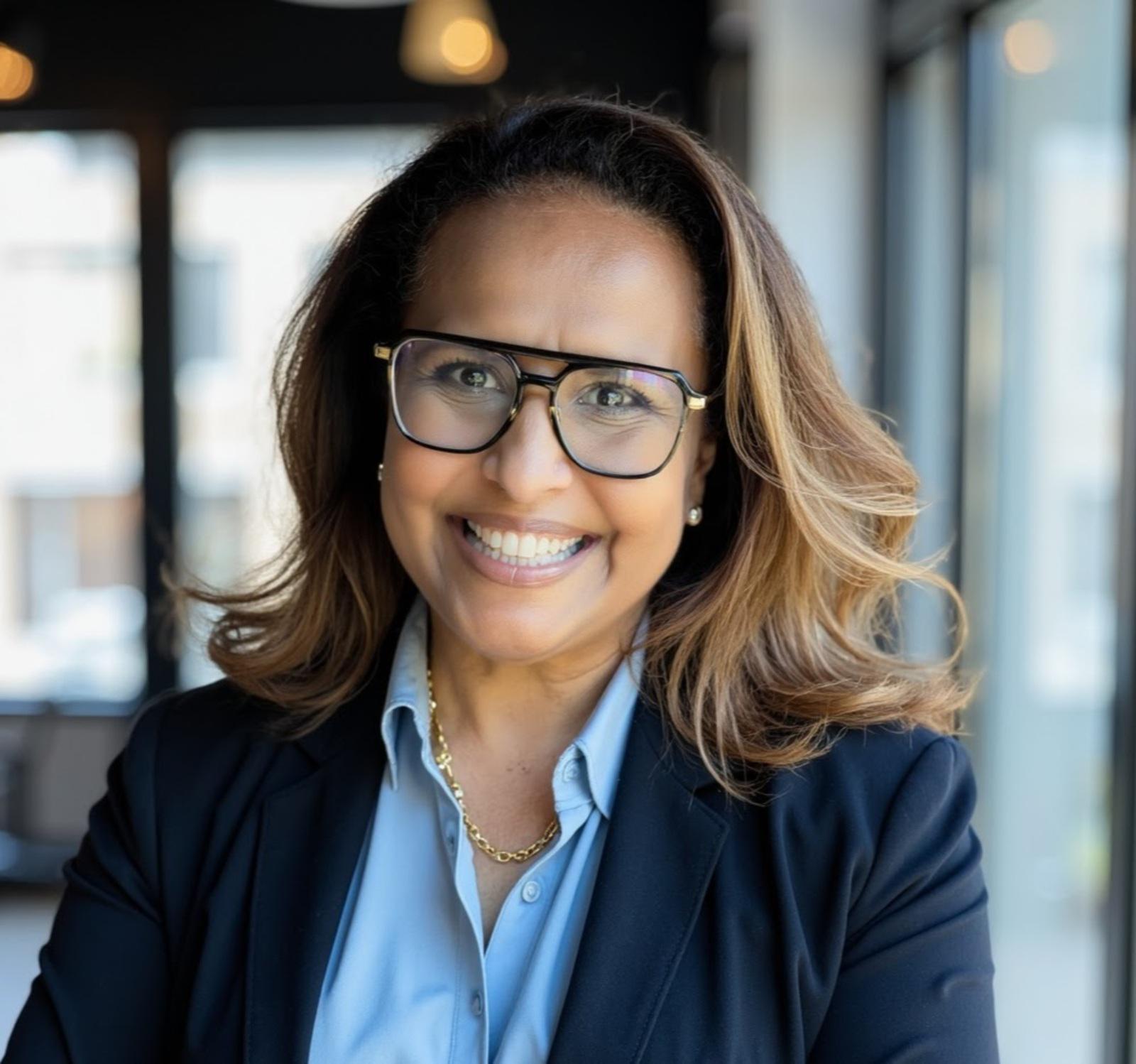
Veleria M. Levy
DemocraticExecutive Director, NC AIDS Action Network ·
首选I endorse Veleria Levy for her strong background as president/CEO of HerHealth Consulting, bringing expertise in healthcare and community advocacy that directly addresses the district's needs in affordability, housing, utilities, and safety for Black, Brown, and immigrant communities. Her platform emphasizes reducing over-policing while protecting vulnerable groups, promoting accountability, and putting residents first—qualities that offer a fresh, empathetic voice in a solidly blue district deserving proactive representation. As a challenger to the incumbent, Levy stands out for her commitment to equity and practical solutions that reflect east Charlotte's diverse priorities. Her engagement in questionnaires and campaign outreach shows a dedication to transparency that voters can trust. For those seeking meaningful change, Levy is a capable and inspiring choice in this primary.
Nasif Majeed
DemocraticState Representative - District 99, North Carolina House of Representatives
Nasif Majeed has an admirable career of service, particularly in public office as a former Charlotte City Council member and current state representative, where he has advocated for equity, education, and criminal justice reform. However, questions remain about whether he has passed his most effective time to serve as a strong voice for this district and Democrats statewide. His decisions to vote to override Gov. Stein's vetoes on certain bills appear out of step with the priorities of this solidly blue district, and such positions might be more suited to a toss-up district where compromise carries greater weight. Additionally, his campaign information has not been meaningfully updated since 2019, and his lack of responses to key questionnaires (e.g., WBTV and Charlotte Observer) leaves voters without clear insight into where he stands today. This leads many to believe one of two things: either he is so self-assured of victory that he feels no need to engage in the normal democratic process, or he has lost the energy and competency required to maintain basic campaign outreach. For these reasons, I do not endorse Nasif Majeed for re-election in this primary. Voters deserve a representative who actively communicates and aligns with the district's progressive values.

Tucker Neal
Democratic
I do not endorse Tucker Neal in the Democratic primary, as his youth and progressive focus, while promising, don't quite edge out stronger alternatives in this competitive field. As a UNC Charlotte student and first-time candidate, Neal brings fresh energy and experience in policy advocacy, highlighting important issues like equity and community reform that invigorate the race. His participation adds valuable diversity to the conversation and demonstrates potential for future runs, where he could build on this foundation. Voters should appreciate what he's contributed to broadening the debate in District 99. Overall, while Neal shows promise, the endorsement goes to a contender with more established depth for immediate impact.
Mecklenburg County Commission - At Large
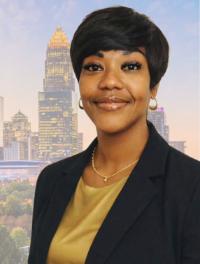
Nichel Dunlap
Democratic
首选Nichel Dunlap is a capable and compelling replacement for voters unhappy with aspects of the current incumbents' records, bringing fresh energy and a community-rooted perspective to the At-Large seats. As a former CATS operator and longtime advocate for transit equity, workforce development, mental health resources, and accessible transportation, she focuses on practical solutions that directly address affordability, mobility, and opportunity for Charlotte-Mecklenburg residents who feel overlooked by bureaucratic or one-sided decisions. Her campaign emphasizes listening to everyday people, reducing barriers for working families, and pushing for more inclusive county policies—priorities that could inject needed accountability and current ideas into the board. In a primary where voters rank up to three choices, Dunlap stands out as a strong alternative who combines real-world experience with a commitment to representing all constituents more effectively. For those seeking change without sacrificing competence, she is a solid pick to help balance the commission with new voices.
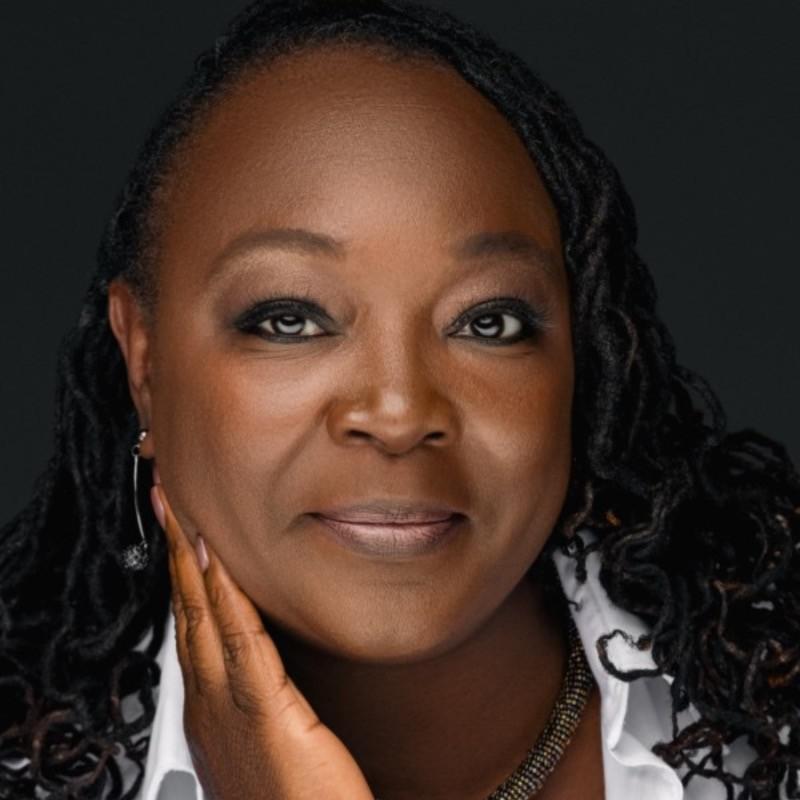
Tonette Emehel
DemocraticStrategic Planning Consultant, Next Level Plus
首选Toni Emehel brings a solid background, strong logic and reasoning, and genuine passion to help others, making her a compelling alternative for voters seeking change from incumbents who have not earned re-endorsement. While her tone and tactics in a previous race likely contributed to her defeat, she demonstrates the tenacity needed to push for more proactive solutions to long-term county problems—issues where the board has sometimes been too passive. The key question is whether, if elected, Emehel would become a disruptive force quickly ousted in two years or a long-term commissioner capable of meaningful, lasting impact on Charlotte-Mecklenburg. I'm willing to believe her personal growth will lead to the latter, channeling that energy constructively to implement her platform effectively. For these reasons, I endorse Toni Emehel as a needed fresh voice on the board, offering a capable replacement for those dissatisfied with the current direction.
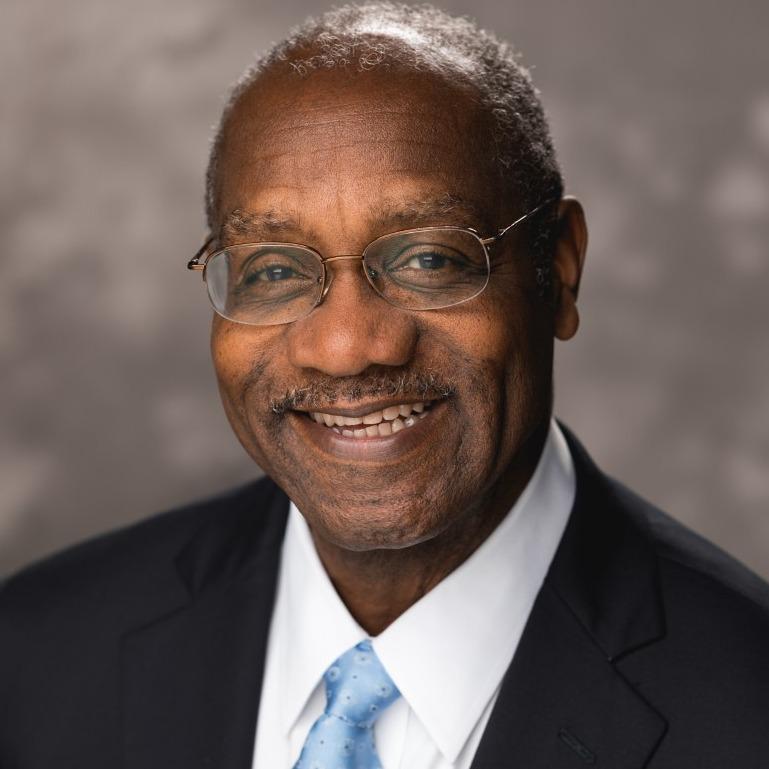
Arthur Griffin Jr.
DemocraticCommissioner - At Large, Mecklenburg County
首选I endorse Arthur Griffin for his experienced leadership and focus on equity, economic development, quality health care, education, and public safety, which align well with the county's ongoing needs like addressing disparities and fostering community investment. His long tenure in elected office, including prior service on the Charlotte-Mecklenburg School Board and his current role on the commission since 2022, is commendable for providing institutional knowledge and continuity in a growing county. However, that same longevity could be viewed as a roadblock to newer candidates with less entrenched perspectives and more current ideas that reflect evolving community priorities. At the same time, too much turnover on any elected body can hinder progress by disrupting the ability to get business done effectively, as relationships and expertise take time to build. For these reasons, I endorse Griffin as a steady, proven choice among the incumbents, encouraging voters to balance experience with fresh voices when selecting their top three.

Sharif R. Hannan
DemocraticStaff Attorney, Walden Macht & Haran LLP
Shows thoughtful engagement on county issues through questionnaire responses, emphasizing practical governance and community safety; his input contributes to a well-rounded field.
Heather Morrow
Democratic
Brings energy and a commitment to affordability and public services; her participation highlights important resident concerns that deserve attention.
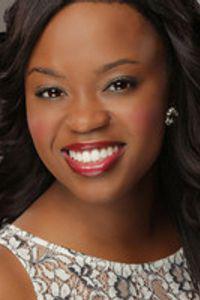
Olivia Scott
DemocraticSocial Media Advisor, Mecklenburg County, Fred Smith for Register of Deeds
Offers a fresh viewpoint centered on accessibility and long-term county planning; her involvement enriches the conversation on future-focused solutions.
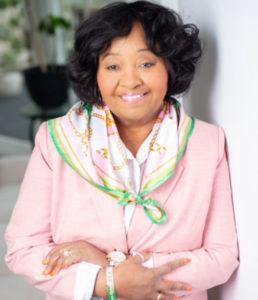
Felicia R. Thompkins
Democratic
Demonstrates passion for social services and equity, with a background that resonates on issues affecting vulnerable populations; she adds meaningful diversity of experience to the primary.
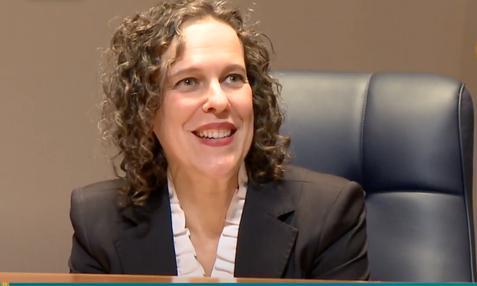
Leigh Altman
DemocraticCommissioner- At Large, Mecklenburg County Commission
Leigh Altman has done a commendable job since first elected in 2020, often serving as a calming, steady presence on the board during divisive discussions and working to advance county priorities like fiscal responsibility and community services. However, there are legitimate concerns about several of her positions that could negatively impact some of the most vulnerable Charlotteans, including her support for the transit tax referendum and the current 77 toll lane extension in south Charlotte, both of which critics argue disproportionately burden lower-income residents through higher costs and limited accessibility. Additionally, her one-sided focus on issues far outside her elected role—particularly her frequent social media commentary on Israel's war in Gaza—raises questions about whether her priorities extend beyond her responsibilities as a county commissioner and whether she is fully committed to representing all constituents equally. While her overall service has been solid, these concerns tip the balance against re-endorsement in this primary. Voters should weigh her record carefully when ranking their top three choices.
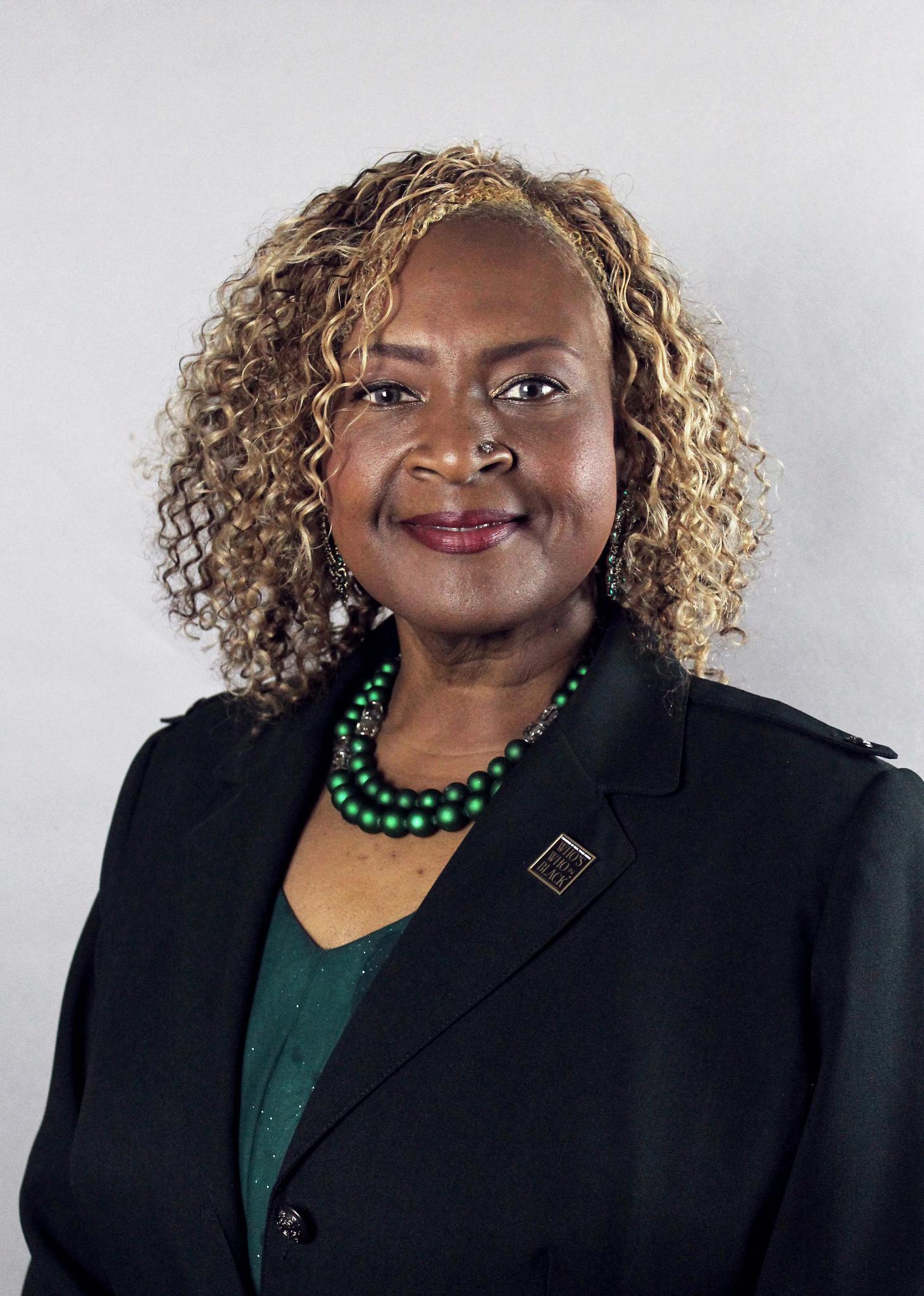
Yvette Townsend-Ingram
DemocraticCommissioner - At Large, Mecklenburg County
I commend Yvette Townsend-Ingram for her strong community involvement prior to being elected, which she has commendably carried through even after joining the board, contributing to initiatives on food insecurity, housing, and racial equity. She has also brought much-needed empathy to a commission that can sometimes seem overly bureaucratic in its decision-making, advocating for compassionate approaches to county services. However, her recent legal issues—stemming from a 2024 DWI arrest, a guilty plea, and a 2025 arrest warrant for failing to complete required community service—demonstrate a lack of judgment, not just for herself but also for the Charlotte Democratic community under scrutiny for perceived lax treatment of the justice system. While people are not perfect, elected officials must serve as role models for their constituents, and even if her claims that the revelation of these details was politically motivated are true, it doesn't exempt her from taking full accountability for her actions or lack thereof. Sometimes, it's about admitting mistakes and assuring an empathetic constituency that you'll do better moving forward. While I do not endorse Yvette for re-election, I can see her finding her way back into office with a proper show of contrition.
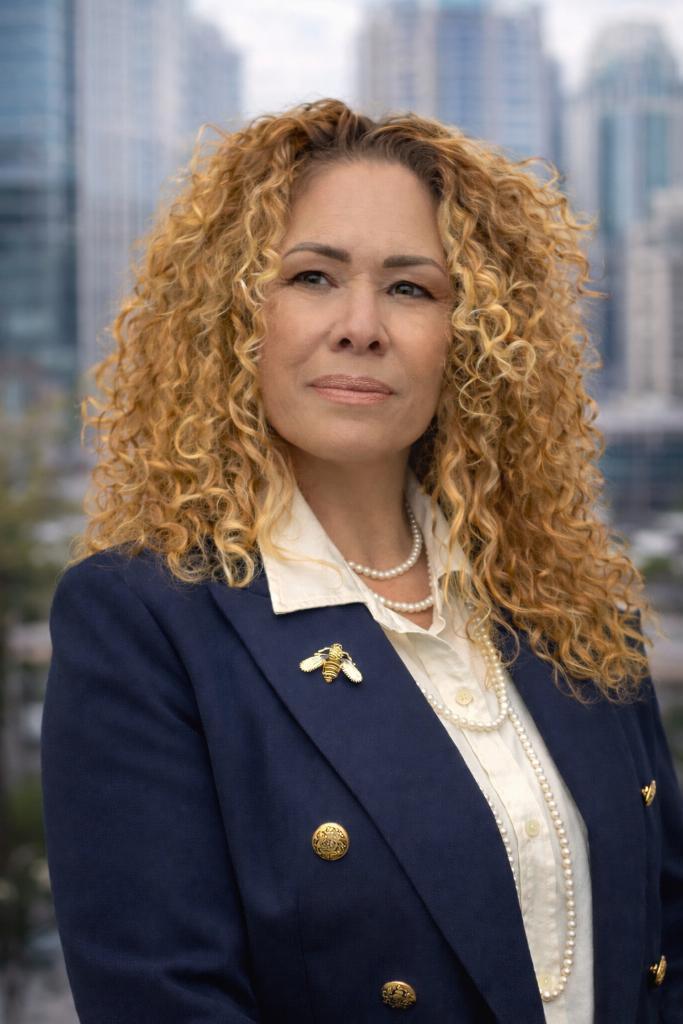
Leslie Allen
Democratic
A dedicated community advocate with strong ties to local equity and economic opportunity initiatives; her focus on inclusive development and resident engagement adds valuable grassroots perspective, even if not endorsed here.
Mecklenburg County Commission - District 1

Adam Pasiak
DemocraticStrategic Sourcing Manager, Honeywell
首选I endorse Adam Pasiak in the Democratic primary for his strong, direct community involvement in District 1 as the former chair of Democrats of North Mecklenburg, where he has built relationships, organized locally, and demonstrated a genuine commitment to the north Mecklenburg area. His background in strategic sourcing and management at Honeywell brings a diverse, business-oriented voice to the commission—something often missing when most officials come from organizing, legal, or nonprofit fields—and that perspective could help address practical challenges like housing affordability, infrastructure strain, and responsible growth along I-77 and Beatties Ford Road. Pasiak combines grassroots credibility with private-sector experience that could foster more collaborative, results-driven solutions on the board. For voters seeking a fresh yet connected representative who understands both community needs and economic realities, Pasiak stands out as the strongest choice in this open-seat primary.
Jessica Finkel
DemocraticProduction Strategist, Sapphire Strategies
I do not endorse Jessica Finkel in the Democratic primary. She brings a background in climate and racial justice organizing, along with ties to the local NAACP, which gives her insight into equity and environmental issues facing north Mecklenburg. Her focus on housing affordability and transit upgrades reflects genuine concern for residents dealing with growth pressures. While her advocacy work is solid, the role of commissioner calls for broader administrative and collaborative skills that her experience has not yet demonstrated at scale. She is a respectable candidate, but she does not stand out as the strongest option in this open-seat race.
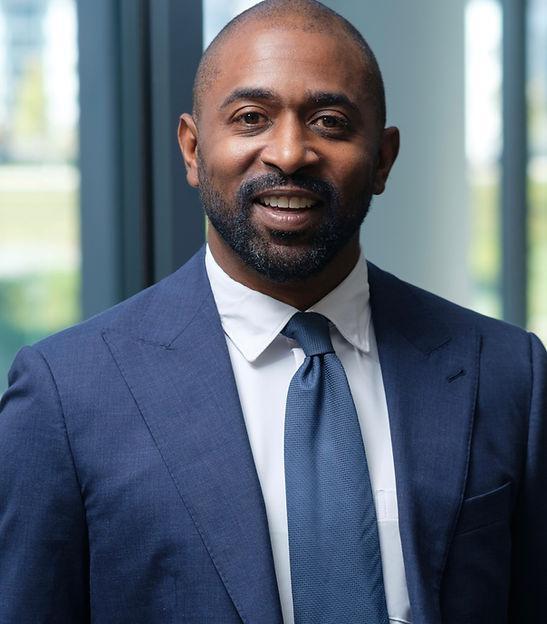
Morris (Mac) McAdoo
DemocraticManaging Attorney, McAdoo Law Firm, PLLC
I do not endorse Morris “Mac” McAdoo in the Democratic primary. As a lawyer and advocate for people with disabilities, he offers a thoughtful perspective on equity and community services, and his legal background could be useful in navigating county policy. He has participated in the race and shown willingness to engage on district concerns. That said, his campaign has been relatively low-visibility, with limited responses to some voter questionnaires and no standout momentum compared to others. He is a capable contender, but not the top choice for voters looking for immediate, high-impact leadership in District 1.
Mecklenburg County Commission - District 2
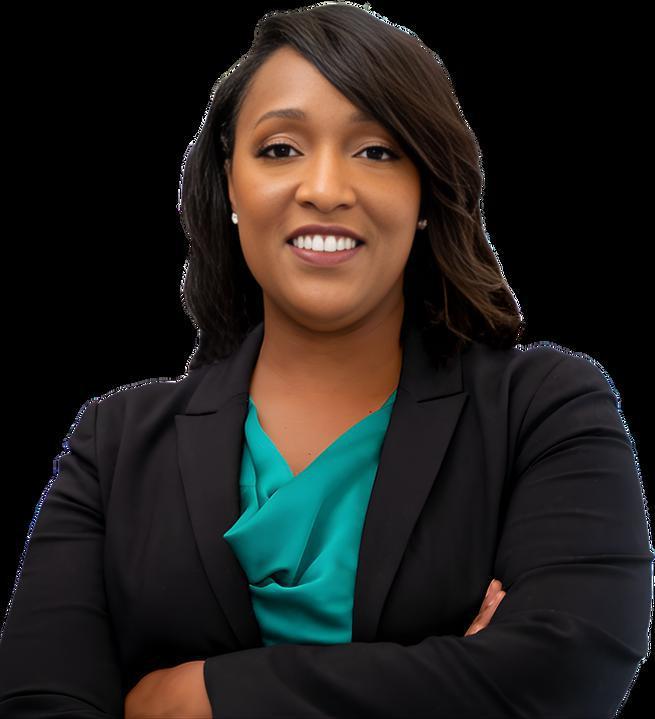
Monifa (Mo) Drayton
DemocraticPresident, Drayton & Conway Leadership Grou
首选By all accounts, Monifa Drayton's resume and experience—as a political strategist, former Executive Director of the Mecklenburg County Democratic Party, and longtime healthcare leader—make her the perfect person to replace Vilma Leake in this district, which is why I'm endorsing her. However, her time with the MCDP and the fallout from her November 2024 resignation—where she alleged racism, discrimination, and a hostile work environment in a scathing letter—does raise questions about her conflict resolution skills and her judgment on whether the potential damage to relationships or public perception is adequately considered when airing disputes publicly. My belief is that this was an unnecessary blip on a stellar resume, and I expect good things from Drayton if elected, channeling her passion into collaborative solutions for west Charlotte's priorities like housing stability, public safety, and workforce training. If not, elections are every two years, providing accountability for any missteps. For voters seeking fresh, capable leadership with a track record of problem-solving, Drayton is a strong choice in this primary.
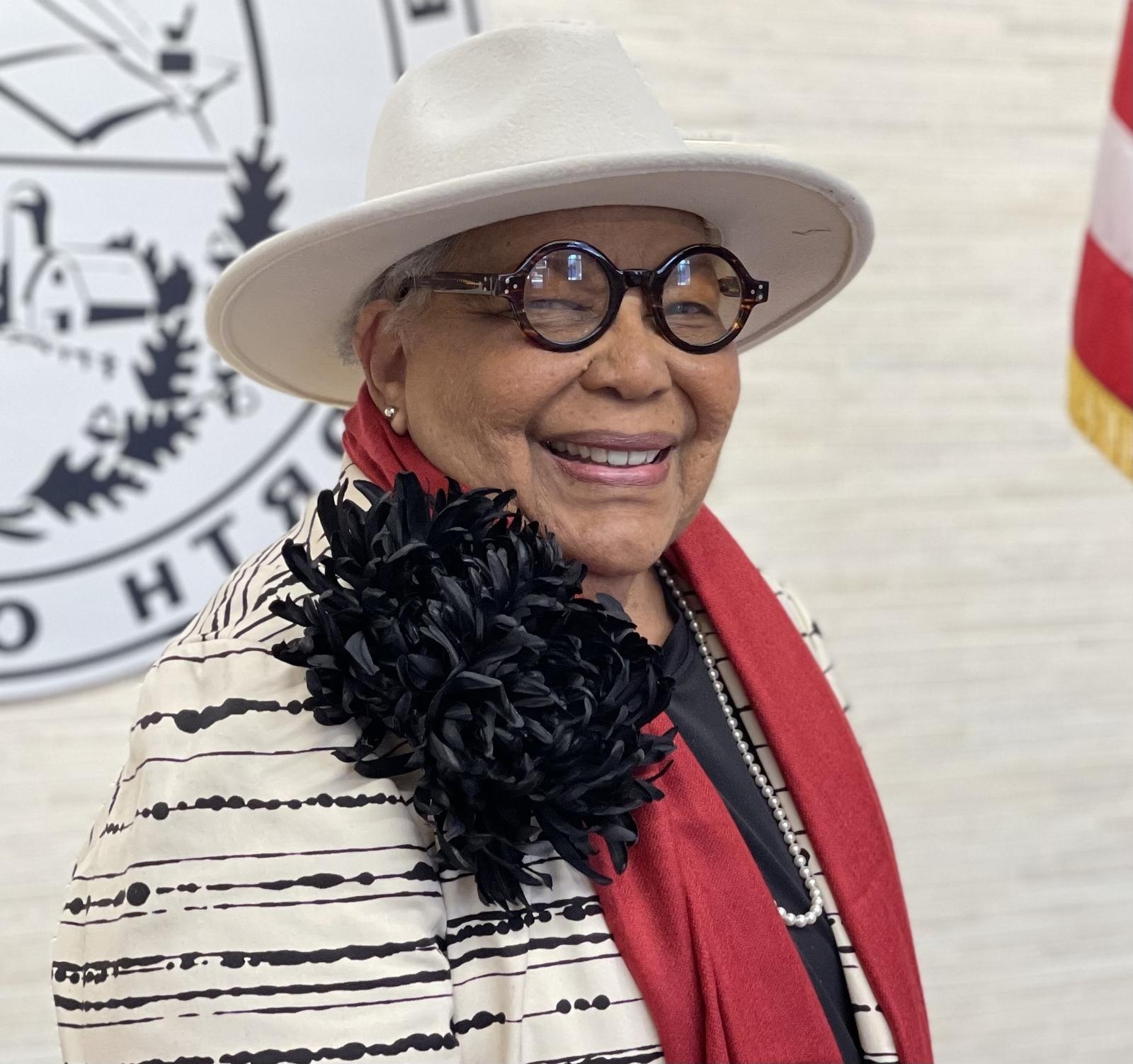
Vilma Leake
No Party PreferenceCommissioner- District 2, Mecklenburg County Commission
Vilma D. Leake's tenure has been admirable, marked by decades of dedicated service to west Charlotte and Mecklenburg County, and her fierce, unapologetic style has been a benefit at times—advocating passionately for underserved communities and holding the line on equity issues. At other times, that same intensity has hindered progress by creating unnecessary friction in board deliberations. There is no expiration date on effectiveness, but it is not unreasonable for the question to arise when someone is in their 90s and has served continuously for nearly 30 years. At this stage, voters must ask: Is she running because she remains fully effective in the role, or because there is simply nothing better for her to do? Does a person need to remain in office to stay impactful, or is there greater value in stepping back to mentor the next generation using the wisdom and connections she has built? With a viable opponent in Monifa Drayton offering fresh energy and strong qualifications, voters have a real choice to give Leake the gentle push she seems unwilling to make herself. For these reasons, I do not endorse Vilma D. Leake for re-election in this primary.
Mecklenburg County Commission - District 3
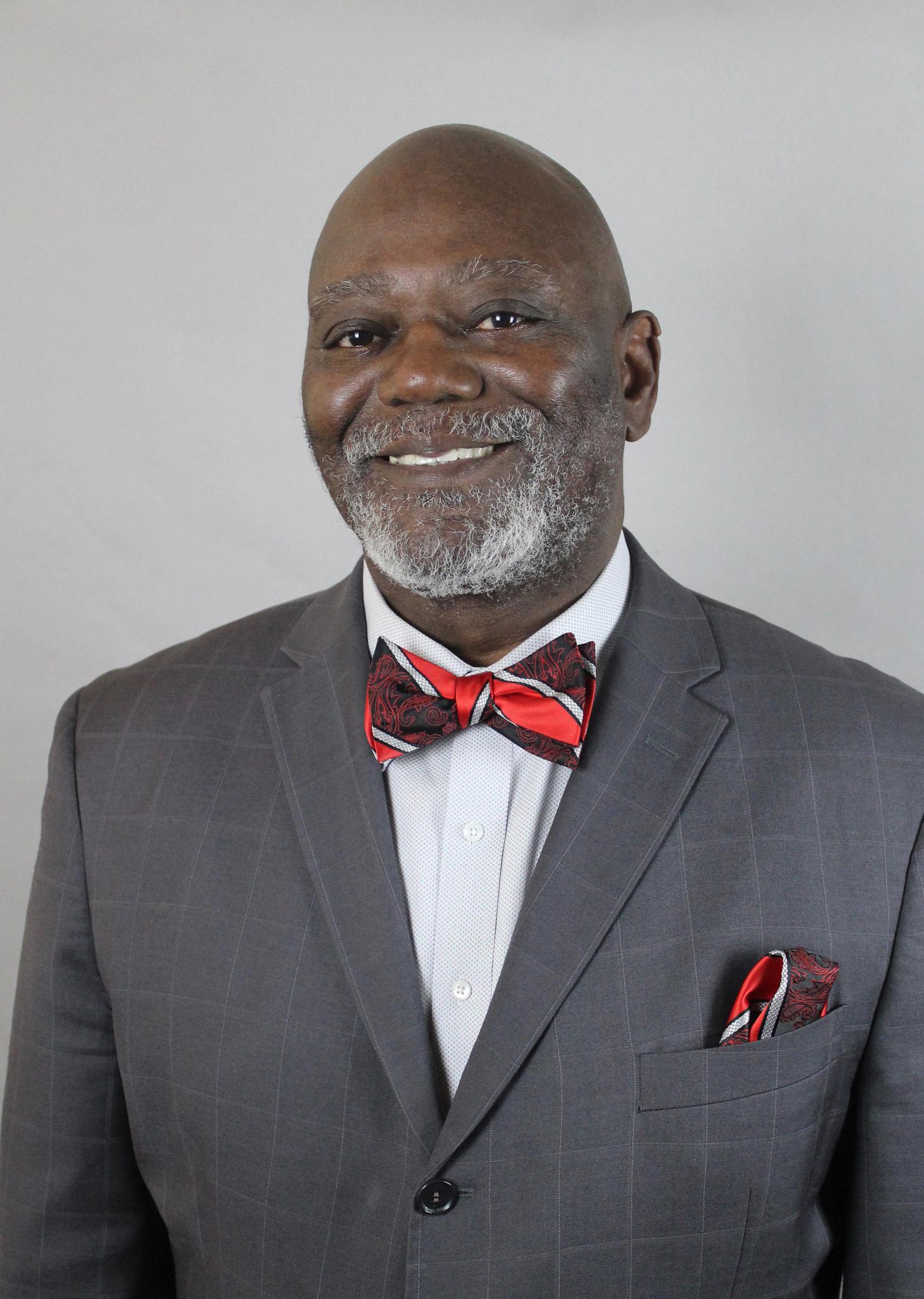
George Dunlap
DemocraticCommissioner- District 3, Mecklenburg County Commission
首选I endorse George Dunlap for re-election in this primary. As a long-serving commissioner and current Chair, he has consistently delivered on fiscal responsibility, public safety, education funding, and equity initiatives that matter to east and central Charlotte residents. His institutional knowledge and steady leadership provide continuity in a district facing ongoing growth and affordability challenges. Phil Carey is a capable replacement—his background in property management and focus on housing affordability, transparent budgeting, and collaborative community policing offer a fresh, practical perspective that could serve the district well. Questions always arise about the effectiveness of long-tenured incumbents in bringing fresh ideas to old problems, and whether continued re-election is still about making a helpful impact for constituents or simply remaining in office. Dunlap still passes the smell test—he remains engaged, responsive, and effective in his current role—but he should begin thinking about what meaningful impact he can make outside of elected office, perhaps through mentorship or advisory roles that leverage his decades of experience. For now, Dunlap earns the endorsement as the proven, reliable choice, while Carey represents a strong, viable alternative for voters seeking renewal without sacrificing competence.
Philip Carey
Democratic
I do not endorse Phil Carey in this primary, but he is a strong alternative for voters who believe new faces are better suited to solve long-standing problems in the district. Carey brings a thoughtful, outsider perspective as a property manager, with clear priorities on housing affordability, transparent budgeting, and collaborative community policing that could inject fresh energy into addressing persistent challenges like growth pressures and equity. In other districts or the At-Large race, Carey would earn the endorsement for his competence and pragmatic approach. However, George Dunlap is still doing enough—through steady leadership on fiscal responsibility, public safety, and education funding—to retain the seat in this cycle. Carey may be two years early in his timing, but this run could be necessary to build name recognition and credibility if Dunlap decides to step away after the next two years. A vote for Carey now might help encourage him to show up even stronger then. For voters wanting renewal without sacrificing proven results, he remains a very capable option worth serious consideration.
Mecklenburg County Sheriff
-1771269456175.jpeg&w=3840&q=75)
Rodney M. Collins
Democratic
首选Rodney Collins may not be the flashiest candidate in the race, but the question is whether flashiness is truly a necessary or required trait for a sheriff who must lead with steady competence rather than spectacle. Collins brings a quiet strength to the office, and his experience and resume stand out as the best in the field, even surpassing the current incumbent's. With 30+ years at the Mecklenburg County Sheriff's Office—including rising through the ranks to chief deputy—he has deep, insider knowledge of jail operations, court services, civil processes, and daily department functions that the other candidates lack. His long tenure means he's worked with and trained nearly all the current officers, positioning him to walk in on day one with immediate trust and credibility from within the ranks. If a voter prefers substance over flash, more relevant experience and knowledge of the sheriff's office, and someone who can restore morale and accountability from within, then Collins is their candidate, which is why I am endorsing him. Voters seeking reliable, effective leadership should see him as the clear choice in this primary.
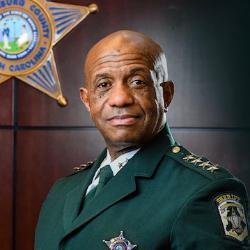
Garry L. McFadden
DemocraticSheriff, Mecklenburg County
Garry McFadden brought perceived stability to the sheriff's office when he first took over, and he has always maintained a visible, active presence in the community that resonates with many residents. He would still earn an avid endorsement in a less talented field. However, too many questions now surround what was happening under that veil of stability—state investigations into misconduct allegations, controversies over ICE detainer policies, and criticisms of departmental management have eroded confidence in his leadership. These issues have risen internally, with multiple high-profile resignations from executive staff (including former chief deputies Kevin Canty and Christopher Allen, who publicly accused him of creating a hostile work environment, bullying, and retaliation), a wave of terminations/retirements, and former employees filing lawsuits or petitions alleging retaliation, misuse of resources, and threats. This raises serious doubts about whether he retains the full faith and support within his own office, as the departures and public criticisms from trusted insiders suggest fractured morale and internal dissent. If re-elected, I hope he can put all these controversies firmly in the past and restore the stable, effective leadership the public once perceived. In this competitive race with strong challengers, however, he does not receive my endorsement. Voters deserve a sheriff who can unify the department and lead without lingering doubt.
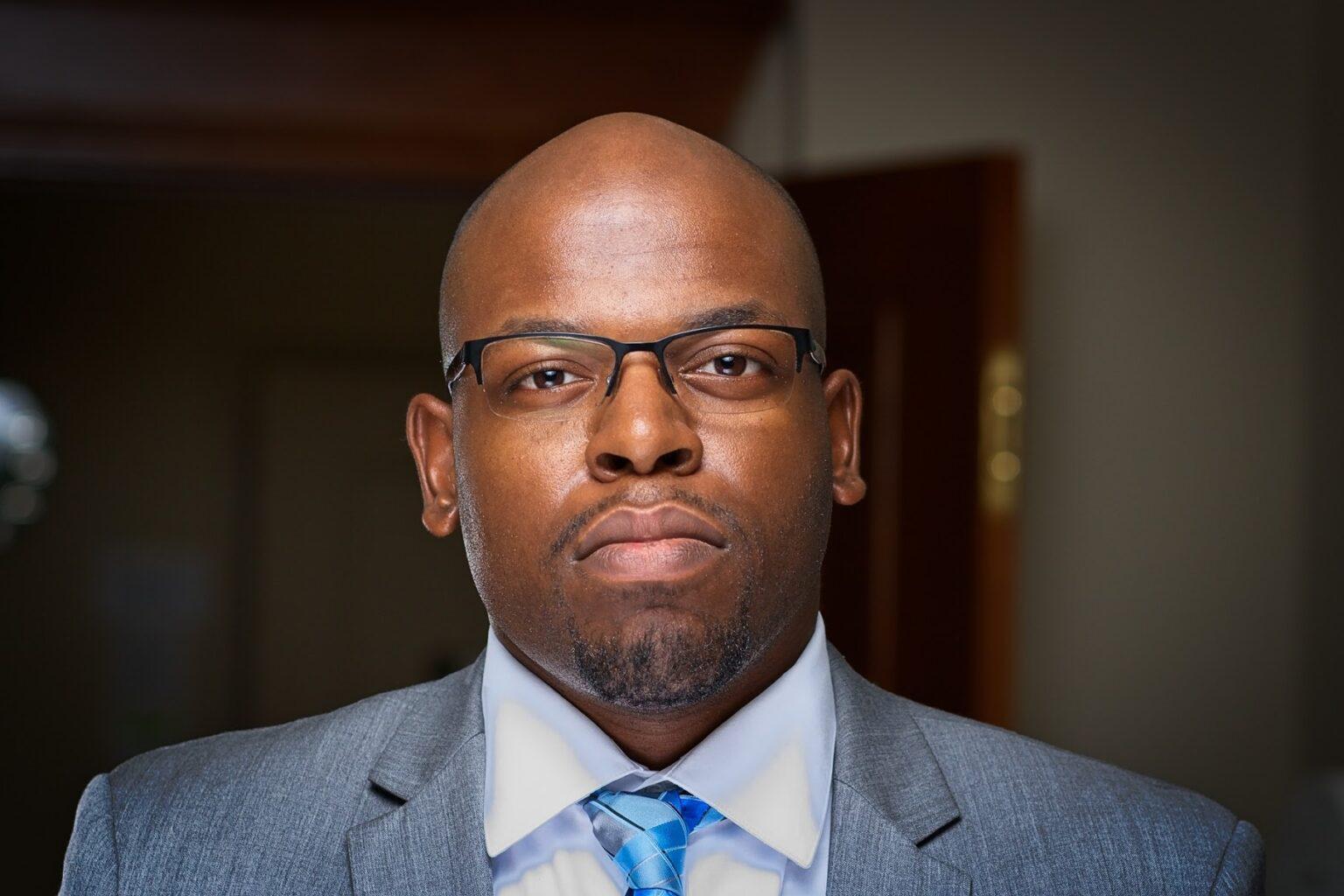
Antwain Nance
DemocraticDetention Officer, Mecklenburg County Sheriff’s Office
I do not endorse Antwain Nance in the Democratic primary, but he is a positive addition to this strong field. With his background as a former detention officer in the Mecklenburg County Sheriff's Office, Nance brings direct experience in jail operations and a clear understanding of frontline challenges, which he channels into a platform emphasizing accountability, reform, and community trust. His willingness to step up and offer a fresh perspective shows commitment to improving the department from within. While he lacks the extensive leadership tenure of others, Nance's insider knowledge of detention work and focus on practical solutions make him a credible voice in the conversation. Voters looking for someone grounded in daily operations will find value in his candidacy.
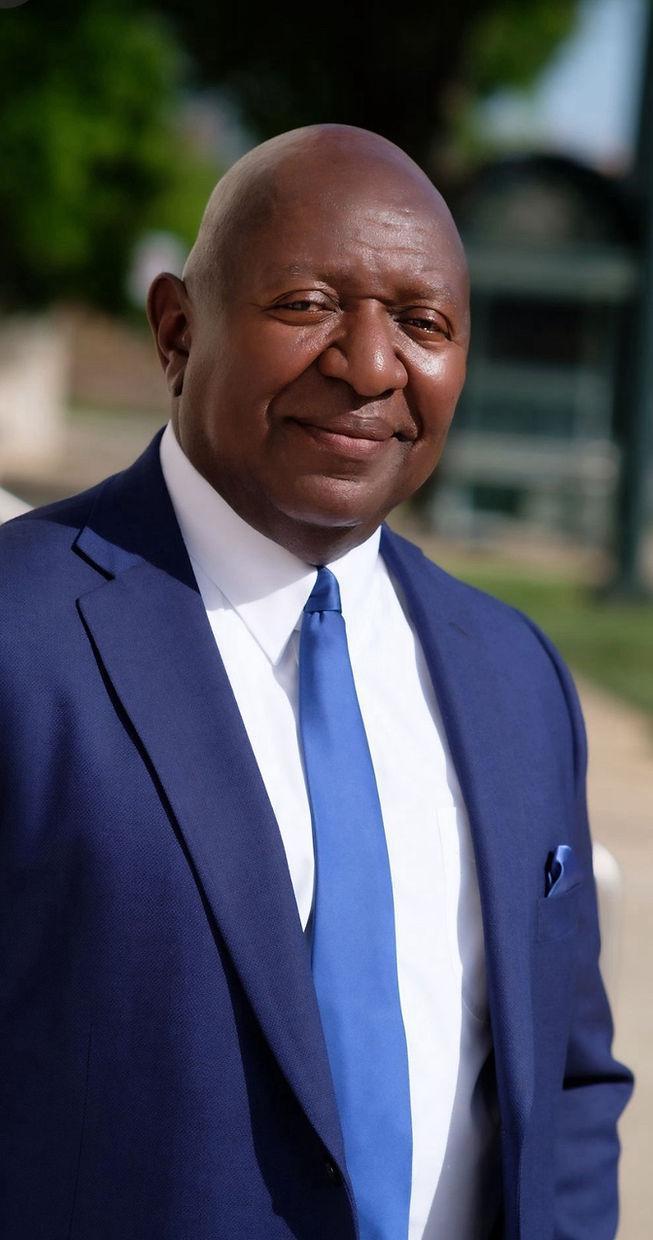
Ricky Ricardo Robbins
DemocraticSergeant, Charlotte-Mecklenburg Police Department
I do not endorse Ricky Robbins in the Democratic primary, though he is a quality candidate, and voters would not be wrong for supporting him. With over 30 years at CMPD—including SWAT, homicide, and traffic safety experience—Robbins brings strong law enforcement credentials, a focus on modern policing, community safety, and hiring reform. He would be a capable alternative for voters disenchanted with McFadden who prefer experience from outside the sheriff's office, which Collins cannot provide. However, Robbins loses the endorsement because Collins' deeper, insider knowledge of the sheriff's office operations—built over decades—better addresses the immediate need for trust, stability, and seamless day-one leadership amid current departmental challenges, whereas Robbins would face at least some learning curve in the unique workings of the sheriff's office. For voters prioritizing internal familiarity and minimal disruption, Collins edges him out, but Robbins remains a solid, experienced option in this strong field.
North Carolina Appeals Court Judge - Seat 1
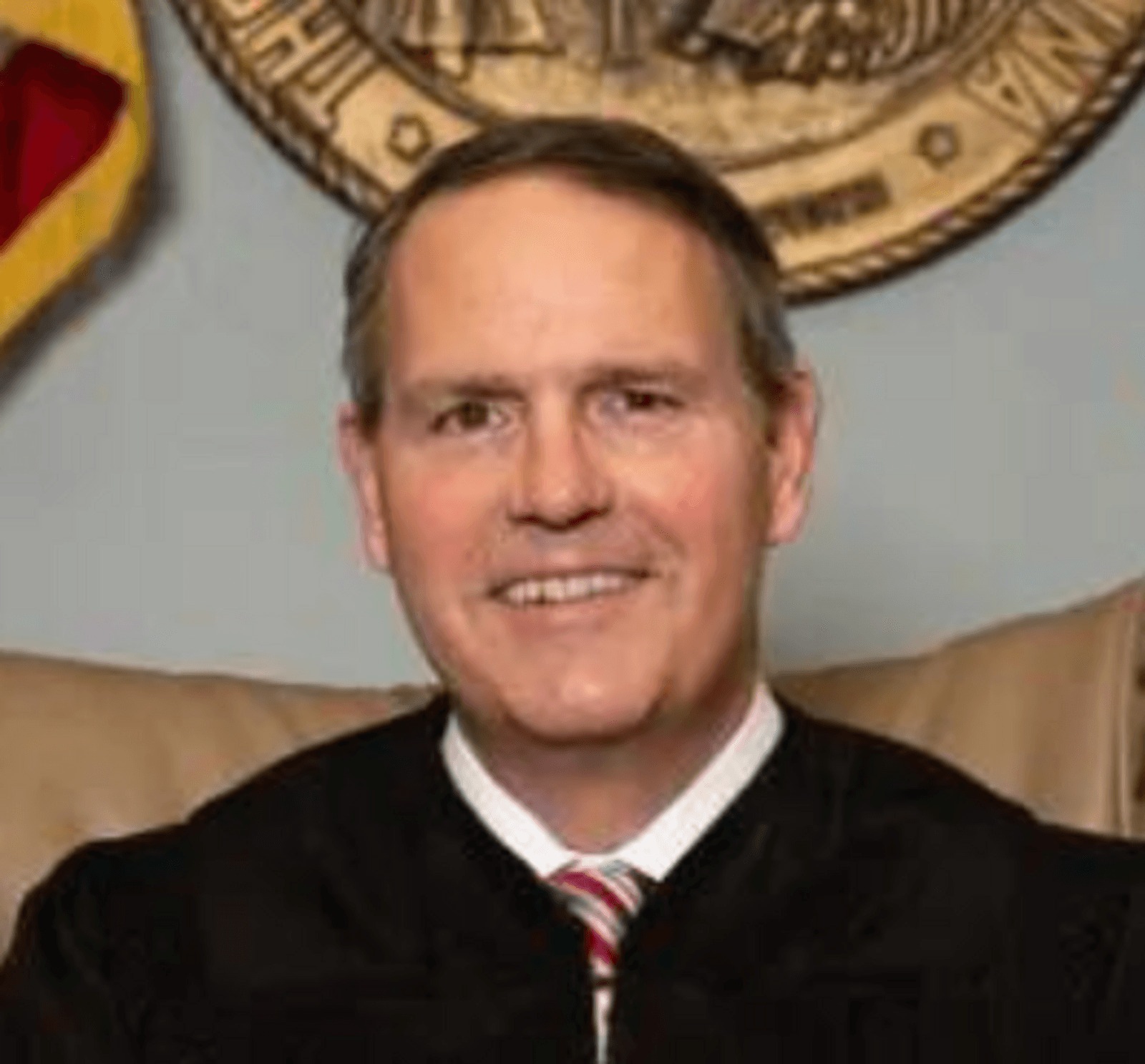
Michael Byrne
RepublicanAdministrative Law Judge
首选I endorse Michael Byrne over Matt Smith in the Republican primary, primarily due to the strong trust law enforcement has placed in him, as evidenced by endorsements from major groups like the North Carolina Police Benevolent Association, Fraternal Order of Police, and National Association of Police Organizations—reflecting his fair and thorough handling of cases involving officers and state employees. His emphasis on upholding due process is a crucial promise in an era where questions about due process violations remain highly relevant, ensuring impartial justice without fear or favor. As a former Administrative Law Judge with a perfect appellate record (no losses in over 300 decisions), Byrne brings proven expertise and a non-ideological approach that prioritizes "getting it right" based strictly on the law. This makes him the stronger, more reliable choice for a court that needs balanced, experienced judges to maintain public confidence. For Republican voters seeking stability and fairness on the bench, Byrne stands out as the better option in this contest.
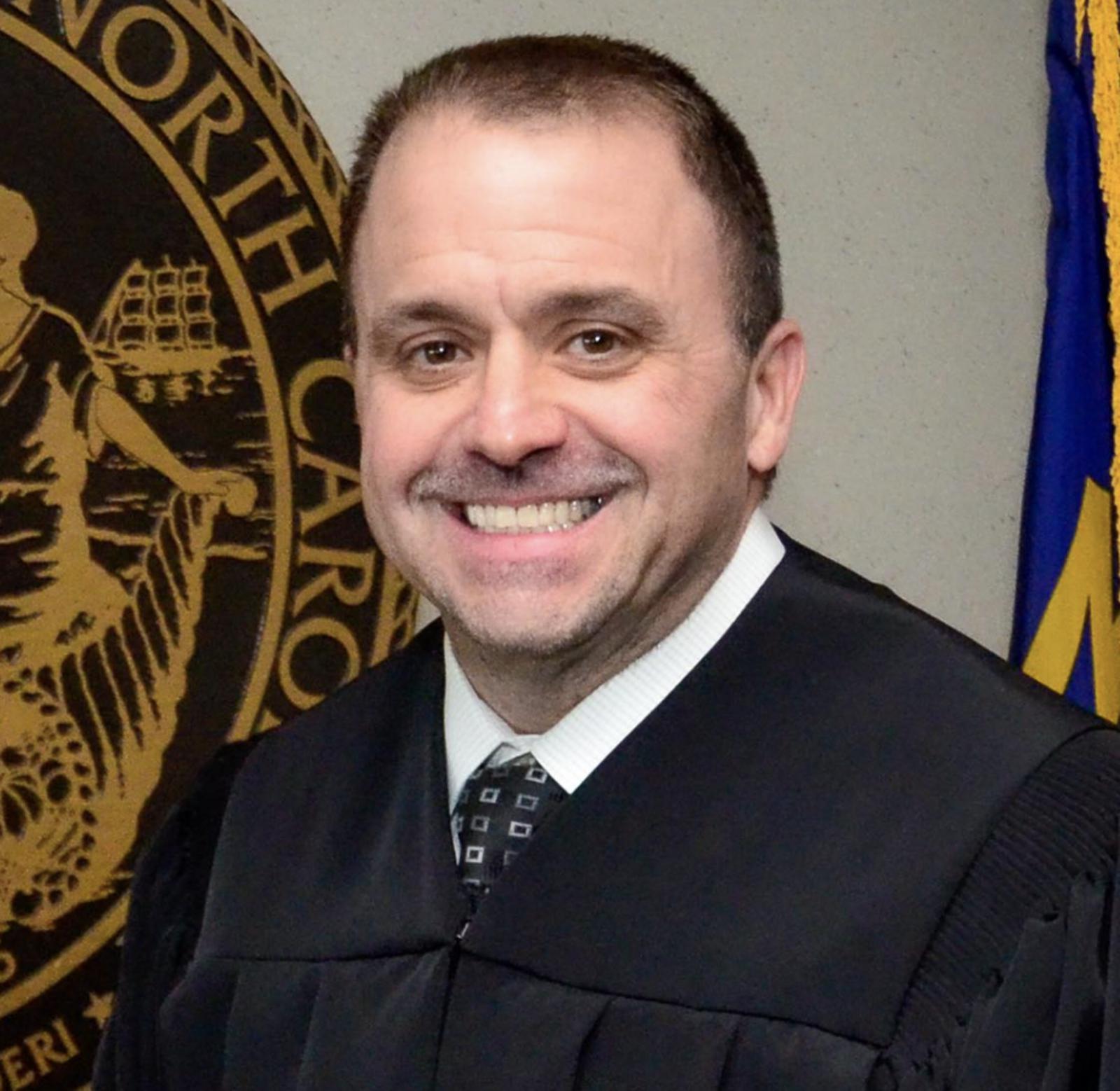
Matthew B. Smith
RepublicanJudge, North Carolina Superior Court
I do not endorse Matt Smith in the Republican primary, as his experience as a Superior Court Judge, while solid, doesn't match Byrne's specialized appellate background or the broad law enforcement support that signals deeper trust in impartial decision-making. Smith's conservative philosophy of applying the law as written is commendable, but it lacks the explicit focus on due process protections that are increasingly vital amid ongoing debates about violations in the justice system. In a head-to-head with Byrne's endorsements and record, Smith comes across as a capable but less distinguished alternative. Voters should consider whether his trial-level expertise outweighs Byrne's proven strengths in administrative and appellate matters. Ultimately, the primary offers a clearer path to a more endorsed and process-oriented judge.
North Carolina Appeals Court Judge - Seat 3

James Whalen
DemocraticAssociate, Brooks, Pierce, McLendon, Humphrey & Leonard, LLP
首选In the Democratic primary for North Carolina Court of Appeals Seat 3, I endorse James Whalen for his innovative approach to the race, leveraging his strong social media presence to educate voters on current topics with legal implications across the U.S., from voting rights to gerrymandering challenges. This strategy not only demystifies complex appellate issues but also humanizes the role of a judge, presenting him as approachable and relatable—like a common person engaging directly with the public—rather than aloof and distant on the bench. As a 32-year-old appellate attorney with experience defending key cases, including protecting NC Supreme Court Justice Allison Riggs' election and fighting partisan threats, Whalen brings fresh energy and a bold commitment to safeguarding fundamental freedoms in a pivotal time for the judiciary. His focus on transparency and public education sets him apart in a statewide race where the winner will face a Republican in November, potentially influencing the court's balance. For these reasons, I endorse James Whalen to bring accessible, proactive justice to North Carolina's appeals court.
Christine M. Walczyk
DemocraticJudge, North Carolina District Court
Christine Walczyk, a veteran Wake County District Court Judge with 19 years on the bench, offers substantial trial experience in family and civil courts, emphasizing moral courage to protect constitutional rights like privacy, education access, and free speech, while aiming to restore public trust in the judiciary as a coequal branch. She highlights the importance of diversity, noting she's the only woman in the Democratic field for Court of Appeals seats, which brings valuable perspectives to a court that should reflect North Carolina's population. However, while diversity is undeniably important for a fair and representative judiciary, it shouldn't be a decisive trait in making electoral decisions with broader implications for experience, approach, and statewide impact. In this competitive primary, her strengths are notable, but they don't outweigh the need for a more dynamic, public-engaged candidate. For these reasons, I do not endorse Christine Walczyk in the Democratic primary—voters should evaluate both candidates' full records to choose the best fit for advancing justice in North Carolina.
North Carolina District Court Judge - District 26, Seat 18
Cecilia Oseguera
DemocraticJudge, North Carolina District Court
首选In the Democratic primary for Mecklenburg District Court Seat 18, I endorse incumbent Judge Cecilia Oseguera. With her appointment by Gov. Cooper in 2022, successful election that year, and over 17 years as an Assistant Federal Public Defender handling complex cases, she has demonstrated deep experience, impartiality, efficiency, and a commitment to treating everyone with dignity and respect while managing high-volume dockets in criminal, civil, family, juvenile, and domestic violence matters. Her record on the bench—ensuring cases move thoughtfully and fairly—has earned praise from colleagues and endorsements like the Charlotte Observer's, highlighting her stable, principled leadership. Experience matters significantly in judicial roles, and Oseguera's proven track record makes her the stronger choice for continued service in Mecklenburg County.
Habekah Cannon
DemocraticManaging Partner, The Law Office of Habekah B. Cannon
Habekah Cannon is a qualified and dedicated opponent in this primary, bringing nearly a decade of legal experience as managing attorney of her own firm, prior work with the ACLU (co-authoring reports on court fines/fees), the Mecklenburg Public Defender’s Office, and community advocacy through roles like Guardian ad Litem and the National Conference of Black Lawyers. Her platform emphasizes making courts places where people are seen, heard, and treated fairly, with a focus on access to justice, accountability, and standing up for those who need the system to work for them. While she offers a fresh perspective and strong community ties, I believe Judge Oseguera's deeper courtroom and judicial experience edges her out for re-election in this seat. Cannon remains a capable candidate who could serve well in future opportunities, and voters should appreciate the robust debate this race has brought to judicial elections.
North Carolina Superior Court Judge - District 26C

Caleb Newman
DemocraticAssistant District Attorney, Rowan County District Attorney's Office
首选In judicial races, where there's usually very little noise, this contest for District 26C Seat 1 has been particularly loud and competitive, with both candidates presenting strong cases for why they deserve your vote while also raising pointed (and sometimes misleading) criticisms of the other. Through all the debate—matters most voters rarely see inside courtrooms—one candidate stands out as the better choice for impartial, efficient justice in northern Mecklenburg County. Caleb Newman brings current, hands-on experience prosecuting serious felonies in Superior Court as a Senior Assistant District Attorney, ensuring he's deeply familiar with the courtroom dynamics judges face daily, while emphasizing fairness, dignity for all, and long-term service without the baggage of potential conflicts. While George Guise's many high-profile endorsements from lawyers may seem like a strength, they represent potential conflicts of interest if elected, as he could face frequent recusals in cases involving those endorsers—creating the risk of absent critical judicial decisions and running counter to the spirit of ethical guidelines from the North Carolina State Bar aimed at preventing even the appearance of bias in the judiciary. In a close call like this, that questionable judgment in aggressively seeking such endorsements becomes a deciding factor. For these reasons, I endorse Caleb Newman in the Democratic primary.

John Guise
DemocraticIn-House Counsel, Mecklenburg County Sheriff's Office
George Guise brings impressive depth with over 30 years as a prosecutor, civil litigator, criminal defense attorney, and in-house counsel, plus strong support from much of the local legal community and an endorsement from the Charlotte Observer highlighting his meticulous temperament. However, the race's high profile stems from intense exchanges, and while both sides have made compelling arguments, Guise's heavy reliance on endorsements from prominent lawyers raises legitimate concerns about conflicts of interest under the ethical framework of the North Carolina State Bar (which governs lawyer conduct and emphasizes avoiding the appearance of impropriety). If elected, he would likely need to recuse himself frequently in cases involving those endorsers, potentially leading to gaps in judicial decision-making and running counter to the spirit of protocols to prevent even perceived bias in the judiciary. In judicial elections where voters rely heavily on insider knowledge, this approach to endorsements tips the balance against him in a decision that should prioritize uncompromised impartiality. For these reasons, I do not endorse George Guise in the Democratic primary. Voters should weigh these factors carefully when choosing who will fill this important bench seat.
关于Brendan K Maginnis
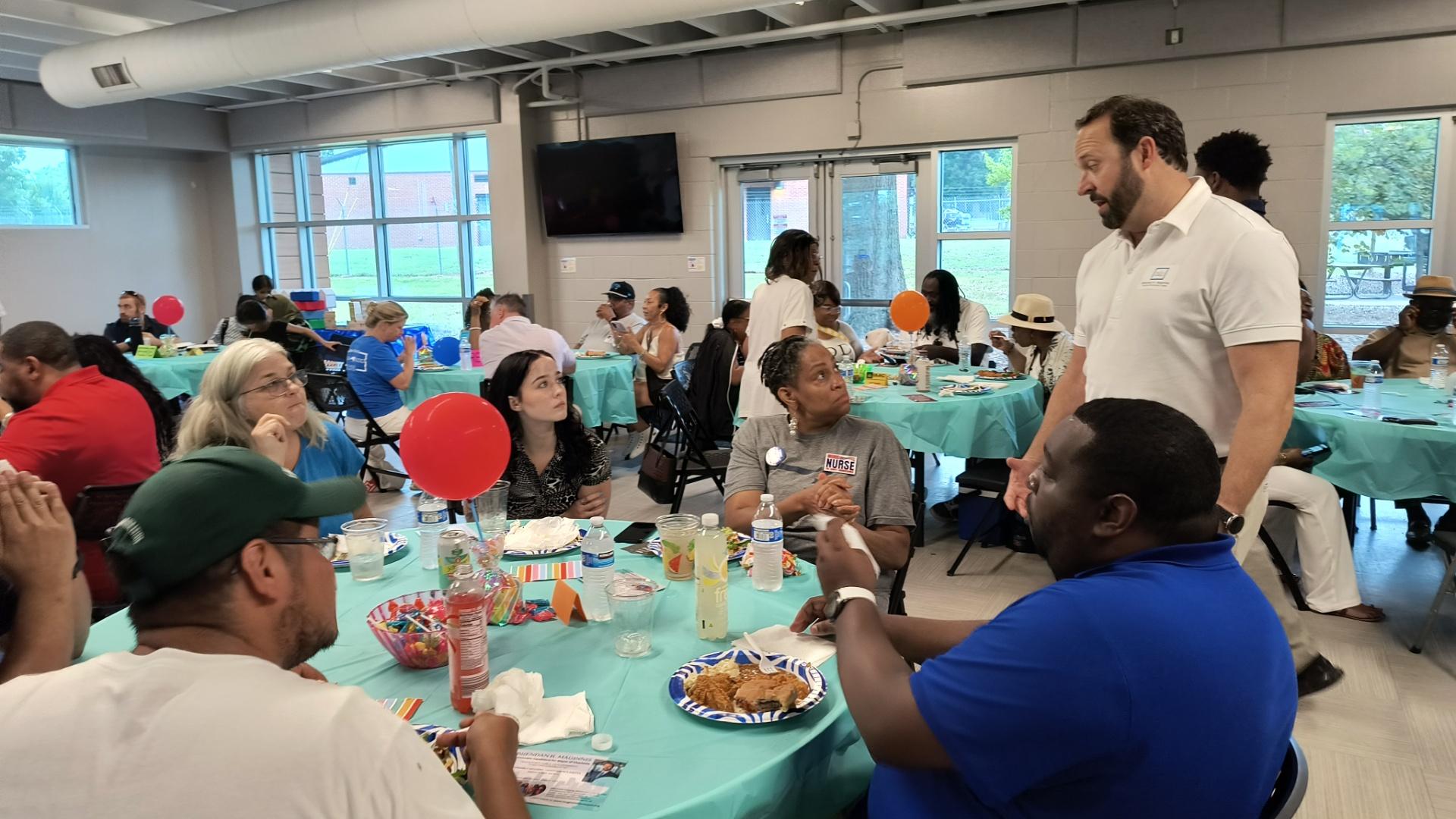
With a Political Science degree, I’ve dedicated the past 20 years to supporting the Democratic Party and helping candidates—including myself—get elected, notably through my runs for U.S. House and Mayor of Charlotte. My recent deep involvement in Charlotte’s political scene, including grassroots organizing, enables me to offer well-rounded, informed insights. As the Founder and Chair of Democratic Men of Mecklenburg County, I bring a strong focus on the issues that truly impact voters and solutions for them.
与Brendan K Maginnis连接
www.demmenofmeck.org/