California General Election 2026
Guía electoral

California Governor
"exfiscal general, exsecretario de Salud de Biden; defensor de un sistema de pagador único durante décadas que ahora dice que ampliará la cobertura en su lugar. Steve Hilton (R): presentador de Fox News, respaldado por Trump; quiere un impuesto de tasa única sobre ingresos superiores a $150,000, desalojar con policías todos los campamentos, ninguna regulación de la IA y poner fin a los mandatos sobre gases de efecto invernadero. Mi voto: Xavier Becerra. Ganador claro. Becerra le dijo a la asociación de médicos que no impulsaría un sistema de pagador único como gobernador. Su historial está limpio: más de cincuenta demandas contra la administración Trump, defensa de una ley santuario, una promesa de usar poderes de emergencia para financiar 40,000 viviendas asequibles ya aprobadas. No encaja perfectamente como gobernador, ya que se opone a Prop 40, pero sigue siendo el ganador claro. Hilton discrepa conmigo en todos los temas. Quiere viviendas suburbanas unifamiliares en vez de mayor densidad (más para los ricos), drones policiales en vez de equipos de atención, prisiones reabiertas en vez de sentencias menos severas. La elección es entre un demócrata cauteloso que no dirá lo que hará y un republicano que ha dicho exactamente lo que hará. Voto por quien puedo presionar."

California Lieutenant Governor
"ha sido tesorera desde 2019 y lanzó el programa Dream for All para el pago inicial. Gloria Romero (R): fue líder demócrata del Senado, cambió de partido en 2024 y se postula como compañera de fórmula de Hilton. Qué sospechoso. No nos gusta que cambies de bando cuando te beneficia políticamente, Romero. Mi voto: Fiona Ma. Con respaldo sindical, trayectoria en financiamiento de vivienda y una candidatura rival respaldada por el grupo detrás de la medida de identificación de votantes. De todos modos, este cargo tiene poco poder que se pueda usar indebidamente."

California Secretary of State
la titular, supervisó el voto universal permanente por correo. Don Wagner (R): es un supervisor del Condado de Orange que apoya la identificación de votantes e impulsó entregar datos de votantes al Departamento de Justicia de Trump. Mi voto: Shirley Weber. El conteo es lento. La alternativa es un hombre que quería entregar su registro al Departamento de Justicia.

California Controller
"la titular eliminó un atraso de años en el informe financiero anual del estado. En 2022 prometió examinar el gasto en personas sin hogar; CalMatters informa que no lo hizo, pero es mejor que la alternativa. Herb Morgan (R) fundó una firma de inversiones y hace campaña precisamente con esa auditoría. Mi voto: Malia Cohen. Esta es la única contienda en la que el argumento del republicano es algo que yo mismo he dicho. No confío en cómo Los Ángeles ha gastado su dinero para personas sin hogar, y una auditoría estatal de 2024 determinó que el estado tampoco puede rastrearlo. Pero el mensaje de Morgan sobre el fraude va de la mano con una administración federal que hace la misma acusación por sus propias razones. Cohen recibe mi voto y algunos comentarios de mi parte: haz lo que dices que vas a hacer esta vez."

California Treasurer
"es la vicegobernadora en funciones, exembajadora y expresidenta de la empresa de desarrollo inmobiliario de su padre en Sacramento. Jennifer Hawks (R) : es una ejecutiva tecnológica jubilada y activista del partido sin experiencia en cargos públicos. Mi voto: Eleni Kounalakis. La riqueza de los desarrolladores y los $75,000 en apoyo externo del grupo de presión de los propietarios no son lo que quiero en la persona que otorga créditos de vivienda, pero Hawks no ofrece nada para contrarrestarlo. La menos mala."

California Attorney General
"el titular del cargo, demandó a ciudades por compartir datos de lectores de placas con agencias de otros estados y federales. Michael Gates (R) : fue abogado municipal de Huntington Beach, combatió la ley estatal de vivienda allí y dirigió brevemente un caso del Departamento de Justicia de Trump dirigido contra los padrones electorales de California. Mi voto: Rob Bonta. La mejor opción en la boleta estatal. No se ha opuesto a los lectores de placas en sí, pero es el único candidato en mi boleta que ha demandado a alguien por ellos; al menos está intentando hacer algo."

California Insurance Commissioner

California State Board of Equalization · District 3
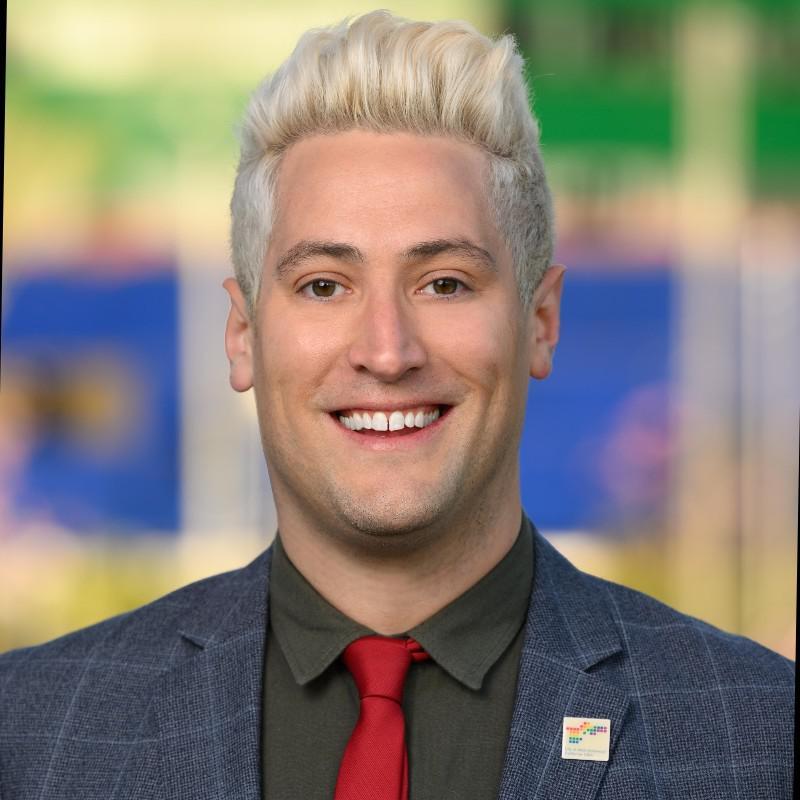
organizador principal del sindicato de docentes de los colegios comunitarios de LA; dirigió la campaña de Sanders en 2020 en el Inland Empire. Su campaña recaudó solo $50,600 de pequeños donantes, casi todos con aportes inferiores a $250. Mi voto: Samuel Sukaton. Petróleo, tabaco, grandes tecnológicas y sindicatos policiales de un lado; un organizador sindical y sus vecinos del otro. El escaño apenas importa, que es precisamente por qué debería ir a alguien a quien no le pagan por ocuparlo.
California State Senate · District 24
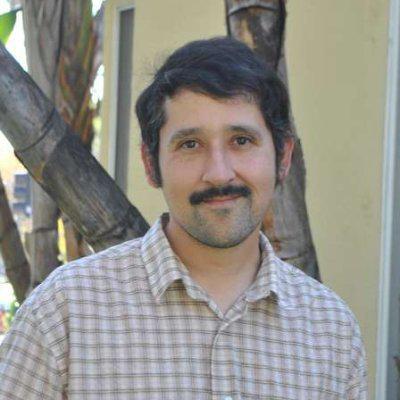
"es miembro del concejo de West Hollywood, votó en contra de los contratos de cámaras Flock de la ciudad ambas veces, apoya el sistema de pagador único y la SB 79, y quedó en primer lugar en las primarias pese a que gastaron cinco veces más que él. Brian Goldsmith (D) es fundador de una empresa tecnológica y exasesor de Democratic Majority for Israel, quien aportó $1.5 million de su propio dinero a la contienda; un comité financiado por su familia y California Jewish PAC ha gastado $2.6 million más, y PACs tecnológicos respaldados por Chris Larsen y Tim Draper agregaron $2.2 million. Mi voto: John Erickson. Esto se decidió por la vigilancia. Erickson es el único candidato legislativo en mi boleta con un voto registrado en contra de Flock. No es perfecto: su propio sitio le atribuye los drones de West Hollywood y el centro de vigilancia en tiempo real, y preferiría que no fuera así. Pero Goldsmith apoya Flock «si se protegen los datos», se opone a la ley estatal de rezonificación para aumentar la densidad cerca del transporte público y hace campaña con dinero que parece una lista de cosas a las que me opongo. Local, financiado por sindicatos, con una postura registrada. Listo."
California State Assembly · District 51
"es un estratega de comunicaciones de 35 años que se postula con CalCare, vivienda social y la derogación de Costa-Hawkins, con $10,300 recaudados y sin dinero corporativo. Mi voto: Colin Hernandez. Zbur ganó las primarias por 54 a 21 y volverá a ganar, lo sé. Lo que lo decidió fue el historial de Zbur respecto a las dos cosas que más me importan en Sacramento: luchó contra el proyecto de ley sobre densidad y no participó en la votación sobre el límite a los alquileres. No voy a votar por eso dos veces."

California Superintendent of Public Instruction
"Pasó dieciocho años en la junta escolar de San Diego y construyó viviendas para el personal allí; el sindicato de maestros ha gastado $5 millones en su apoyo. Sonja Shaw preside la junta de Chino Valley, hizo que retiraran de una reunión al superintendente actual durante una disputa sobre estudiantes transgénero, y cuenta con el respaldo de Moms for Liberty. Mi voto: Richard Barrera. La campaña de su oponente está revelando públicamente la identidad de menores. Punto final."

Los Angeles City Mayor
"elegida al Concejo Municipal en 2020 con el apoyo de DSA, quien respaldó a Bass y luego presentó su candidatura contra ella horas antes de la fecha límite, citando el financiamiento de la policía, el costo de Inside Safe y una ciudad enfocada en ser sede de los Juegos Olímpicos en vez de construir viviendas. Mi voto (si tuviera uno): Nithya Raman. Bass administró mal el dinero para las personas sin hogar, y una auditoría estatal de 2024 dice que nadie puede dar cuenta del dinero que “desapareció”. Raman es la única candidata que propone la vivienda como solución en lugar de la aplicación de la ley como solución."
Los Angeles County Sheriff
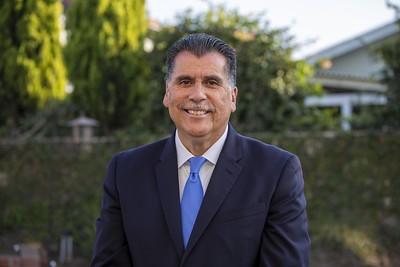
el titular, exjefe de policía de Long Beach. Durante su gestión, el fiscal general demandó por las condiciones de la cárcel y el DOJ abrió una investigación sobre Men’s Central Jail; en ocasiones se ha negado a cumplir las citaciones de la comisión de supervisión, y el departamento no ha adoptado la prohibición de compartir datos de placas con agencias federales que los supervisores solicitaron hace un año. Alex Villanueva : fue sheriff de 2018 a 2022. Desafió citaciones de supervisión ante los tribunales, calificó las pandillas de agentes adjuntos como una “palabra de moda política”, abrió investigaciones contra un periodista y un supervisor del condado que lo criticaron, y está en la lista del condado de personas que no se deben recontratar después de que un panel determinó que violó la política contra el acoso. El Partido Republicano del condado lo respalda. Mi voto: Robert Luna. Ninguno de los dos se opone a los lectores de placas, lo comprobé. Luna dirige una agencia que me gustaría ver reducida. Villanueva la dirigió por un rencor personal. El menos malo, sin dudar cuál de los dos.
Los Angeles Community College District Board · Seat 2
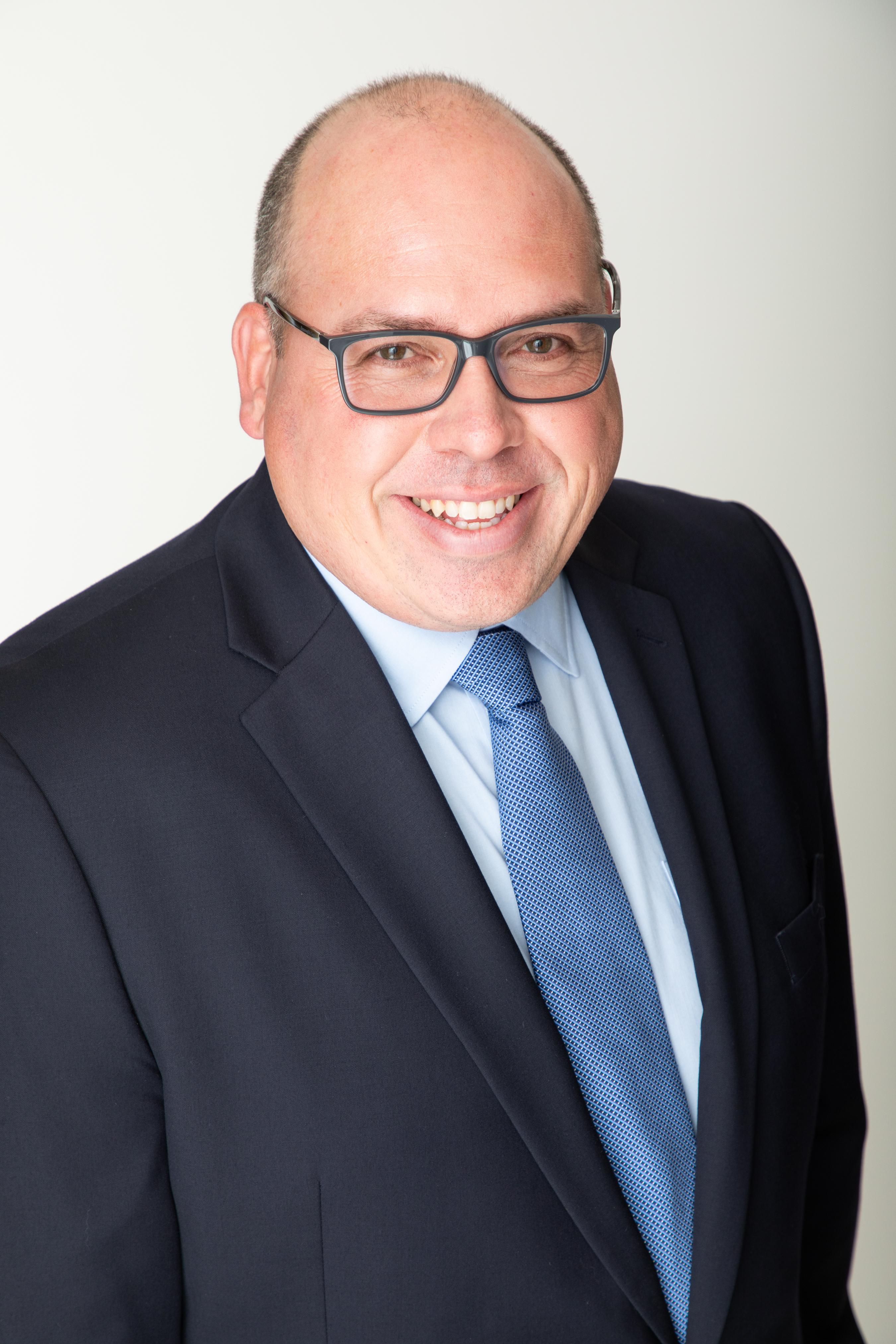
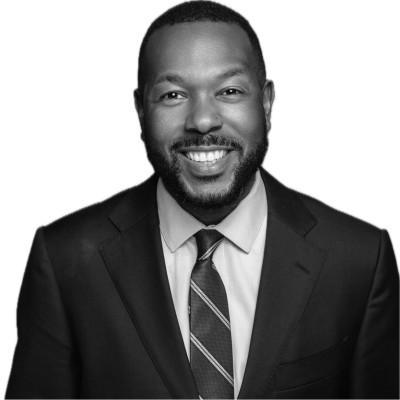
Labor-backed incumbent with an actual record (he moved the district’s 100% clean-electricity resolution) against a field with none. He chairs the committee that canceled a $150 million student housing bid in September amid allegations I couldn’t get the details on.
Los Angeles Community College District Board · Seat 4
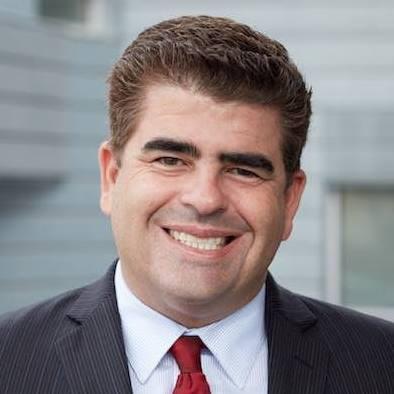
Community health clinic officer, teaches at Santa Monica College, the faculty union’s pick. Thin evidence; the right kind.
Los Angeles Community College District Board · Seat 6
The faculty union broke with Buelna, a sitting trustee, to spend $141,000 on Randall Winston, Karen Bass’s deputy mayor for infrastructure. I never found out why. What I do know is that Buelna has a record, with housing and immigrant students at the top of it, and that a senior Bass appointee is not a credential I’m rewarding this year. Action over rhetoric.
Los Angeles County Superior Court Judge - Office 131
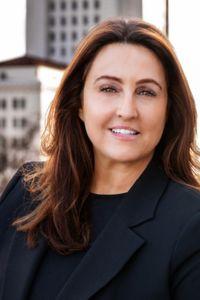
Thirty years as a public defender, endorsed by the Working Families Party, La Defensa, and Knock LA. The record was enough.
Los Angeles County Superior Court Judge - Office 64
A career prosecutor backed by the LAPD and deputies’ unions, which I don’t love, but she holds the only Well Qualified rating in these four races and the county Democratic Party’s endorsement. Her opponent, a 25-year public defender, is the better fit for my sentencing views; the rating gap decided it.
Los Angeles County Superior Court Judge - Office 65
Two former public defenders, both rated Qualified, and Knock LA calls it a tie. Reitano spent three years defending children and now advises the county on alternatives to incarceration. A coin flip I’m at peace with.
Los Angeles County Superior Court Judge - Office 87
The lower-rated candidate, and I know it; his opponent A.J. Bayne is well-qualified with 25 years as a public defender. DeJute is a Harvard-trained former federal prosecutor and Sony litigation executive, a member of the LGBTQ community, and endorsed by Stonewall and the county Democrats. This is a personal vote for who I want on a West Hollywood bench.
Recomendación: votar no
A yes vote sends contract disputes for deputies, firefighters, lifeguards, coroner staff, and civilian sheriff and fire employees—about 17,000 people—to a three-person panel whose decision is final. Neither the Board of Supervisors nor voters can reject it. It also bans strikes by covered workers and has no end date. A no vote costs these unions nothing they have now. A yes vote moves the largest enforcement budget in the county out of reach of the people we elect, permanently, at the deputies’ request. The firefighters deserve better than to be the human shield.
Recomendación: votar sí
A yes vote locks an independent county ethics commission into the charter, gives them subpoena power, fines up to $15,000, a guaranteed budget, and permanently restores a 10% set-aside fund of flexible county money for community investment and alternatives to incarceration, which is scheduled to expire. These are two of my priorities in one measure, and nobody filed an argument against it. The Daily News objects to bundling, and the League of Women Voters asked for the two parts to be split. Fair. I’m voting yes on both.
Recomendación: votar sí
It’s a City of Los Angeles measure on your West Hollywood ballot because we’re inside LAUSD. My vote: Yes ✅ A yes vote replaces the school board’s separate campaign finance rules with the mayor’s rules and lets the City Council adjust them by ordinance.
Recomendación: votar sí
A yes vote lets the state borrow $11.25 billion: $10 billion for affordable rental housing, supportive housing, and down payment help, and $1.25 billion for veteran home loans that veterans repay themselves. The General Fund pays $500 to $600 million a year for about 25 years. The Legislative Analyst’s Office estimates up to 40,000 rental units and up to 40,000 households helped into ownership. My vote: Yes. This is what bonds are for—long-lived assets, in this case rentals that stay affordable for 55 years, paid for across the years people live in them. The honest caveat is the price: by my arithmetic the state subsidy runs about $180,000 per rental unit before other funds come in, and only $200 million of the bond goes toward figuring out why we build so expensively. Nobody filed an argument against it. We need the units anyway.
Recomendación: votar sí
A yes vote raises the cap on the state’s reserve from 10% to 20% of General Fund taxes, extends extra debt payments to 2040, and stops reserve deposits from counting against the spending limit. Budget reserves go up; spending in boom years goes down. My vote: Yes. The programs that get cut first in a downturn are health and schools. A bigger cushion protects them. The trade is real—money saved is money not spent on a good year—but California’s revenue swings with the stock market, and 2009 is not that long ago. Low stakes, easy yes.
Recomendación: votar sí
A yes vote makes the top income tax rates from 2012 and 2016 permanent instead of letting them expire in 2031. It applies to individuals earning over $371,000, adjusted for inflation, and keeps $5 to $15 billion a year flowing, roughly 40% of it to schools and community colleges. My vote: Yes. The teachers’ union put $33.4 million into this and nobody put a million against it, which tells you how the fight went. The revenue is volatile because rich people’s income is volatile. Still, it is a tax on the top 2% that funds the schools the other 98% use. In 2026 that shouldn’t feel like news.
Recomendación: votar sí
A yes vote repeals a 1988 ban on state and local governments offering public funding for candidates. It creates no program; it lets cities and the state build one. It also raises penalties for illegal foreign contributions. My vote: Yes. I think super PACs should be illegal, and this does not touch them. What it does is remove a 38-year-old prohibition on the one alternative to private money we have. The League of Women Voters and the nurses are for it; Howard Jarvis is against it. That pattern recurs on this ballot. Learn it now.
Recomendación: votar sí
A yes vote removes the replacement question from recall ballots. If a governor is recalled in the first two years, there is a special election; after that, the lieutenant governor takes over. Other statewide officers are replaced by gubernatorial appointment. My vote: Yes. In 2003 a governor was removed and replaced by a plurality winner in a 135-candidate field. The current system invites that again. The argument against is that we the voters lose a direct say in replacing our representative, not democratic. Nobody raised a dollar on either side, and September polling had it losing 35 to 59, so this is a vote of principle. Mine is that an elected official beats a recall circus.
Recomendación: votar sí
A yes vote authorizes up to $25 billion in bonds for second mortgages covering up to 17% of the price of a newly built home under about $1.5 million. Buyers put 3% down, must live in the home, and must meet income limits. Mortgage payments repay the bonds; the state pays nothing. This is the one bond on the ballot with no taxpayer cost and a supply requirement baked in: the home has to be new. Builders who accept union labor standards get looser construction-defect rules, which is why the carpenters and the nurses signed on, and why the League of Women Voters did not (the loan terms are set later, by the housing finance agency, not in the text). Buyers carrying 97% debt is a risk the bondholders eat, not us. More homes. I’ll take it.
Recomendación: votar no
A yes vote borrows $8.4 billion for immunology and immunotherapy research. Half goes to a single UC-affiliated nonprofit institute; half goes to grants chosen by a council drawn from its own member organizations. The General Fund repays $500 to $600 million a year for about 20 years. I have a personal stake in immunology research and I wanted to vote yes. Then I read CalMatters’ finding that the eligibility rules for the $4.2 billion institute fit exactly one institution, the California Institute for Immunology and Immunotherapy, whose co-founder and board chair put at least $8.2 million into the Yes campaign. The stem cell bond took 21 years to produce a first approved therapy. Real science would come of this. So would a $10 billion repayment for a structure written by its beneficiary.
Recomendación: votar no
A yes vote requires government ID to vote in person and requires mail voters to write the last four digits of a designated ID number on the envelope, or the ballot is thrown out. It also orders officials to verify every registered voter’s citizenship against government databases. Cost: tens of millions to low hundreds of millions a year. Thirteen of the sixteen million ballots cast in California in 2024 were mail ballots. This creates a new reason to reject them. The money is Richard Uihlein ($17 million) and Airbnb co-founder Joe Gebbia ($8 million), and CalMatters reports the donors see California as a test run for swing-state measures. Running every voter through government databases is the kind of mass data matching I oppose when a city does it with license plates. I’m not voting for it on envelopes.
Recomendación: votar sí
These propositions are the most important on our ballot, we have to consider them altogether. Prop 40 ✅ is a one-time 5% tax on California billionaires, with 90% of the revenue going to healthcare. This is one-time money for an ongoing need, and the residency date will be litigated for years. Prop 41 🚫🚫🚫 voids any new state tax that exempts its revenue from the spending limit, which Prop 40 does. Prop 42 🚫🚫🚫 bans any new state tax on personal property (stocks, business stakes, everything a billionaire owns that isn’t land) and any retroactive tax, which is Prop 40. If 41 or 42 passes with more votes than 40, 40 dies. Either one is enough. We’re taxing our billionaires. But 41 and 42 are not tax policy. They are a $156 million insurance policy, and 42 permanently bars the Legislature from ever taxing wealth without another statewide vote. The people spending a quarter of a billion dollars to beat this bill have told me exactly what it’s worth.
Recomendación: votar no
A yes vote raises the threshold for our taxes from a simple majority to two-thirds, starting January 1, 2027. This means if we ever want to tax billionaires again, it will take 3/4 of a vote, instead of the current 1/2 with prop 40. This was a last-minute proposition funded by Peter Thiel to make doing this more difficult in the future. That tells me everything. A two-thirds vote is how you make sure voters can never fund anything again.
Recomendación: votar no
A yes vote requires nonprofit community health clinics to spend 90% of revenue on “program services” or pay the shortfall to the state as a penalty. Clinics average about 80% today, so most would be penalized. My vote: No. Every pediatrician and family doctor group in the state says no. So do I. This is the hardest one for me, because the only funder is United Healthcare Workers West, the same union behind Prop 40, and I’m voting with them there. But the clinic association’s study (an advocacy source) projects $1.7 billion in first-year penalties, the Legislative Analyst believes that this might cause clinics to “close instead,” and the union ran this exact bill in the Legislature last year and lost. A ballot measure that closes safety-net clinics to win a bargaining fight is not healthcare policy.
Recomendación: votar no
Joe Rap's endorsements for the November 3, 2026 election, from their published voter guide: https://thatjoerapkid.substack.com/p/2026-california-voter-guide, se abre en una pestaña nueva (published 2026-10-13).
exsupervisora de San Francisco, directora política estatal de Bernie Sanders en 2020. Su plataforma es un seguro contra desastres administrado por el estado y financiado con las primas existentes, una opción pública para seguros de auto y tarifas congeladas mientras una reclamación esté abierta. Necesitamos financiamiento para desastres en CA. Ben Allen (D): mi senador estatal durante doce años. Redactó el bono climático de 2024 y una ley de 2026 que amplía la facultad de ejecución del comisionado, pero recibe mucho dinero de intereses de afuera: $~3+ millones: agentes inmobiliarios, Comcast, Fox Corp., Rick Caruso y de un comité financiado por el multimillonario de criptomonedas Chris Larsen— el mismo tipo que dio $5 millones para derrotar Prop 40. Mi voto: Jane Kim. Allen tiene una mejor trayectoria, y casi lo elegí. Pero la Cámara gastó $1.5 millones para detener a Kim, Larsen gastó $1 millón para ayudar a Allen, y creo que quienes gastan dinero saben lo que están comprando. Consumer Watchdog dice que su fondo público para desastres podría agotarse con un solo incendio, y ella admite que necesita estudio. Está bien. Lo que realmente controla una persona comisionada es la revisión de tarifas y si las aseguradoras le tienen miedo. Elijo a la que les da miedo.
A yes vote creates an optional faster environmental review track for “essential” projects: data centers, housing, transportation, water, clean energy. My vote: No. Sounds good but this one will largely send funding to data centers in our state, which most of us are against. I want more density in West Hollywood, sure, but not at the cost of this money being used the wrong way. Brin and Doerr’s committee (folks behind data center construction) put in $10 million. PG&E and Edison put in $4.3 million between them. When the utilities and the data center money line up on one side, I’m on the other.