California General Election 2026
Guía electoral

California Governor
Becerra has spent his career in government: more than two decades representing Los Angeles in Congress, then California Attorney General, then U.S. Secretary of Health and Human Services. As Attorney General he sued the first Trump administration 120 times and filed the state's first lawsuit against a city for refusing to plan for the homes state law required. He broke with Governor Newsom to vote for Prop 36, the 2024 measure we supported that restored felony charges for repeat theft and drug offenses, and he says he would fully fund it. He opposes the billionaire tax on this ballot, and he says people who are offered shelter should not be allowed to stay on the street. On housing, he says he would declare a state of emergency on his first day, fund the nearly 40,000 subsidized homes that are approved and waiting on a last piece of financing, and end exclusionary zoning near transit. What he has not done is campaign. Becerra finished first in June, 28% to Hilton's 25%, leads 55% to 37% in the latest Berkeley IGS poll, and has treated that lead as a reason to say as little as possible. Asked onstage what voters could expect from him as governor, he declined to name a single commitment: "I would prefer not to run on inflated promises. I will run on my record." By the end of July, Hilton had accepted six debate invitations and Becerra had accepted none. The one debate now on the calendar is September 30, five weeks before Election Day. Menlo College political scientist Melissa Michelson called this "textbook political science," and she is right, but a candidate who won't say what he will do is asking voters to take a lot on faith. We hope Becerra has spent the quiet months building a strong bench of advisors and agency heads. The governor's real job is choosing the people who run the state, and that is exactly where his experience should pay off.

California Lieutenant Governor
"En junio respaldamos a Josh Fryday, quien lamentablemente quedó en tercer lugar y no avanzó. La elección general ahora enfrenta a Fiona Ma, demócrata, contra Gloria Romero, republicana, y Ma es la opción clara. La vicegobernadora forma parte de la Comisión de Tierras Estatales, ocupa puestos con voto en los Regentes de la UC, los Fideicomisarios de la CSU y la Junta de Gobernadores de los Colegios Comunitarios, y preside la Comisión de Desarrollo Económico. La mayoría de las candidaturas tratan este cargo como un trampolín. Ma tiene planes específicos para sus herramientas reales. ¿Por qué votar por Fiona Ma? Fiona Ma comenzó su carrera de servicio público en San Francisco, donde se desempeñó como supervisora del Sunset de 2002 a 2006, y desde entonces ha ocupado cargos en todos los niveles del gobierno de California: seis años en la Asamblea, donde consiguió que más de 60 proyectos de ley se convirtieran en ley y se desempeñó como presidenta provisional, un período en la Junta de Ecualización y dos períodos como tesorera estatal. La respaldamos para tesorera en 2022 y la llamamos la opción segura y estable. Lo fue. Nunca he perdido una contienda por un cargo público, y no es por accidente. Cuando me propongo lograr algo, me comprometo por completo y cumplo. — Fiona Ma, cuestionario de GrowSF El trabajo de tesorera resulta ser una preparación directa para este. Ma preside el comité que asigna los créditos fiscales que hacen posible la vivienda asequible, forma parte de la junta de la Agencia de Financiamiento de Vivienda de California, emitió los primeros bonos del estado para vivienda estudiantil en colegios comunitarios y lanzó el programa Dream for All de pago inicial para personas que compran vivienda por primera vez. Como vicegobernadora, formaría parte de las juntas de las mismas instituciones que ha estado financiando, y es la única funcionaria electa que forma parte de las tres. Su plan construiría viviendas para la fuerza laboral en las 75,000 acres de terreno que los distritos escolares y colegios ya poseen, financiadas mediante un fondo rotatorio de préstamos sin intereses, para que el personal docente y universitario pueda costear vivir donde trabaja."

California Secretary of State
Shirley Weber ha desempeñado el cargo competentemente, y la respaldamos para otro mandato. La principal función de la secretaria de Estado es administrar las elecciones de California, y Weber lo ha hecho sin controversias, que es exactamente lo que se busca. Durante su mandato, California alcanzó un récord de 22.6 millones de votantes registrados en 2024, y más de 5 millones de californianos se inscribieron para rastrear sus boletas mediante el sistema "Where's My Ballot". También ha ampliado el registro de votantes el mismo día y ha aumentado la cantidad de condados de la Ley de Elección del Votante, que dan a los votantes más flexibilidad sobre dónde y cuándo emiten sus boletas. Cuando el gobierno federal exigió la base de datos completa de registro de votantes de California, incluidos los números de Seguro Social, Weber se negó y ganó en los tribunales en enero. Ha defendido de la misma manera la votación por correo. Cuando la Corte Suprema dio luz verde al gobierno en agosto para seguir impulsando nuevos límites a la votación por correo, se comprometió a que todos los californianos elegibles seguirán recibiendo una boleta por correo y que esta será contada. Y la regla de California de que una boleta con matasellos del día de las elecciones cuenta si llega dentro de siete días se mantuvo cuando la Corte Suprema falló sobre la cuestión en junio. Nos gustaría que presionara más por la transparencia en el financiamiento de campañas. La base de datos de divulgación Cal-Access del estado es difícil de usar y hace demasiado difícil rastrear ciertos tipos de gasto electoral. Los votantes merecen total transparencia sobre el dinero político.

California Controller
Cohen knows public finance, and she knows San Francisco. Before becoming Controller, Cohen chaired the Budget and Finance Committee and the Audit and Oversight Committee on the SF Board of Supervisors. After that, she ran the San Francisco Employees' Retirement System, a $35 billion pension fund. Now she sits on the boards of CalPERS and CalSTRS, the two biggest public pension funds in the country, with almost $1T in assets, combined. She also went after California's largest-ever charter school fraud. Cohen led a task force that came up with 20 fixes for how the state checks school finances: tougher rules for auditors, faster reporting, and more disclosure. Her office also publishes pay data for over 2 million government workers across 5,000+ agencies. We would like to see the Controller's Office return $15B in unclaimed property such as forgotten bank accounts and uncashed checks that belong to Californians. Other states send it back automatically. California still doesn't. Overall, Cohen has brought transparency and accountability to the state's spending.

California Treasurer
"La tesorera preside CDLAC (que decide cómo se gastan miles de millones en bonos exentos de impuestos) y CTCAC (que otorga los créditos fiscales federales que hacen posible la vivienda asequible). Si esas agencias avanzan lentamente, no se construyen viviendas. Kounalakis es la única candidata en esta contienda que realmente ha construido viviendas, financiado infraestructura y gestionado inversiones a gran escala en el sector privado. Kounalakis nombró tres resultados medibles que los votantes deberían usar para evaluarla después de dos años: más unidades de vivienda financiadas mediante programas estatales con menor plazo de entrega, rendimientos de las pensiones que cumplan o superen los parámetros de referencia con mayor transparencia, y un crecimiento significativo en las inscripciones en CalSavers, CalKIDS, ScholarShare 529 y CalABLE, especialmente entre las familias trabajadoras y las comunidades desatendidas. Ese tipo de rendición de cuentas es poco común en una contienda estatal. Me enfocaré en reducir los costos de financiamiento, liberar capital y asociarme con los gobiernos locales para llevar los proyectos de la aprobación a la construcción más rápidamente, porque la asequibilidad depende de la oferta. Eleni KounalakisVicegobernadora de California Sobre la disciplina fiscal, es específica: mantener la relación entre el servicio de la deuda estatal y el Fondo General en 6% o menos, publicar un tablero público de "Balance general de California" que rastree la deuda de bonos, los activos de pensiones y el desempeño de las inversiones en lenguaje sencillo, e impulsar rendimientos estables de las pensiones con presión a la baja sobre las comisiones. La fuerte dependencia de California de los ingresos por impuestos sobre ganancias de capital crea ciclos presupuestarios de auge y caída. Kounalakis alinearía la gestión de efectivo con los ciclos económicos, manteniendo liquidez durante las recesiones en lugar de pedir prestado en el peor momento. Antes de entrar a la vida pública, Kounalakis pasó casi dos décadas como desarrolladora de viviendas en AKT Development, construyendo comunidades planificadas integralmente en la región de Sacramento donde ahora viven miles de familias californianas. Tiene experiencia directa con el financiamiento mediante bonos, los programas de créditos fiscales y las herramientas del mercado de capitales que controla la oficina de la Tesorería."

California Attorney General
"Rob Bonta ha sido un fiscal general eficaz y nos complace respaldarlo para otro mandato. Para los votantes de San Francisco, el trabajo más importante de Bonta ha sido en materia de vivienda. Copatrocinó la SB 1037 con Scott Wiener, que le dio a la oficina del fiscal general verdadera capacidad para multar a las ciudades que bloquean la vivienda, y la ha utilizado. Su oficina ha obligado a cumplir la ley a ciudades de toda California que retrasaban ilegalmente los planes de vivienda, incluidos acuerdos con Fullerton, Norwalk, Elk Grove y Huntington Beach. Cuando Woodside declaró todo el pueblo como santuario de leones de montaña para evitar la SB 9, Bonta le dijo al pueblo que estaba infringiendo la ley estatal. Woodside rescindió la política esa misma semana y comenzó a aceptar solicitudes. Cada vivienda que se construye porque una ciudad NIMBY fue obligada a cumplir la ley hace que el mercado regional de vivienda de San Francisco sea un poco menos absurdo. También ha tomado medidas contra conductas anticompetitivas en el mercado de alquileres. Su oficina consiguió un acuerdo de $7M con Greystar, el mayor propietario de viviendas del país, por usar software para coordinar los precios de los alquileres con competidores, lo que es un cártel operado mediante un algoritmo. Ese tipo de aplicación de la ley es importante para cada inquilino del Área de la Bahía. Bonta también ha sido activo en defender a California contra la administración Trump, al presentar más de 50 demandas sobre temas que van desde la inmigración hasta las protecciones ambientales. Dos de ellas protegen su boleta por correo. Cuando una orden ejecutiva de marzo de 2025 intentó obligar a los estados a descartar las boletas emitidas para el Día de las Elecciones, pero recibidas unos días después, Bonta codirigió la demanda de 19 estados que obtuvo una orden judicial permanente en contra en junio de 2026. Cuando una segunda orden este abril instruyó al Servicio Postal a enviar boletas solo a votantes incluidos en nuevas listas federales, volvió a demandar y ganó, aunque la Corte Suprema suspendió ese fallo el 24 de agosto por cuestiones de plazos, sin decidir si la orden es legal."

California Insurance Commissioner

California State Board of Equalization · District 2
California State Assembly · District 19
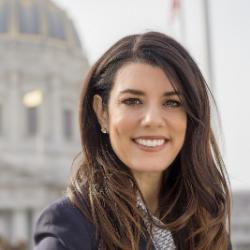
Stefani has had a productive first term. Newsom signed seven of her bills into law in 2025. Highlights include the Restitution First Act (AB 1213), which makes sure crime victims get paid back before other fines are collected; a license plate cover ban (AB 1085) that closes a loophole criminals used to dodge toll cameras; and Wyland's Law (AB 1363), which closes a deadly gap in how California enforces gun-restraining orders. Gun safety is her signature issue. She founded the SF chapter of Moms Demand Action and wrote SF's first-in-California ghost gun ban as a Supervisor. We do have some concerns about Stefani's alignment with Sacramento special interests, particularly on issues where the priorities of state-level advocacy groups don't always match what's best for San Francisco. We'll be watching her second term closely. But on the merits of what she's done so far, she's earned our endorsement.
California Supreme Court Associate Justice (Groban)
Recomendamos votar Sí para mantener a las juezas Kelli M. Evans y Joshua Groban en la Corte Suprema de California. Nuestra regla es la misma que para el Tribunal de Apelaciones: mantener a un juez o una jueza a menos que haya conducta indebida grave documentada o mal criterio que se desvíe de las normas legales. Evans fue nombrada por el gobernador Newsom en 2022 y Groban por el gobernador Brown en 2018. Ninguno de los dos aparece en el registro público de medidas disciplinarias de la Comisión de Desempeño Judicial, y no encontramos ninguna campaña organizada contra ninguno de los dos.

California Superintendent of Public Instruction
U.S. House · California District 11
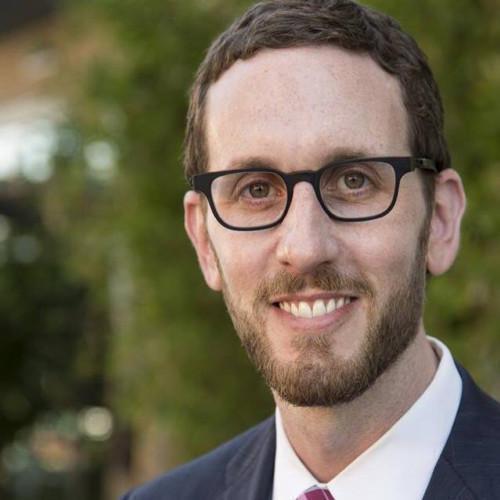
"Scott Wiener ha pasado la última década como uno de los legisladores más tenaces y eficaces de California a favor de la vivienda. Como exsupervisor de San Francisco y ahora senador estatal que representa al Distrito 11 (San Francisco), ha construido una trayectoria en los temas que más directamente determinan la calidad de vida y el costo de vida en San Francisco: la construcción de viviendas, el transporte público y la capacidad del gobierno de realmente cumplir. En este ámbito, Wiener se destaca porque ya ha aprobado leyes grandes y controvertidas en condiciones políticas adversas, y eso importa en Washington, donde la retórica es fácil, pero cumplir no lo es. Como con cualquier candidato, hay asuntos en los que no coincidimos con Wiener, pero aun así es la mejor opción para lograr resultados. Resultados por encima de la retórica. Mi labor no es mantener la pureza ideológica; es mejorar la vida de las personas. Scott WienerSenador estatal, Distrito 11 ¿Por qué votar por Scott Wiener? Los principales objetivos de política pública de Scott Wiener son: 1. Construir más viviendas para reducir el costo de vida El argumento más sólido de Wiener en esta contienda es sencillo: realmente ha aprobado leyes a gran escala a favor de la vivienda. SB 35 obligó a las ciudades que no estaban construyendo suficientes viviendas a aprobar automáticamente los proyectos que reunieran los requisitos. SB 423 extendió y reforzó ese marco. Y SB 79, firmada en 2025, autorizó edificios de apartamentos de mediana altura cerca de importantes paradas de transporte público en toda California. Esas leyes no resolvieron por sí solas la crisis de vivienda de California, pero cambiaron los términos de la lucha, haciendo más difícil que las ciudades evadieran sus obligaciones de vivienda y más fácil que se aprobaran viviendas muy necesarias. Pero la ley estatal solo puede hacer hasta cierto punto. Al país le faltan 8 millones de viviendas, y el Congreso controla las herramientas federales que determinan cómo se financia y construye la vivienda: créditos fiscales, vales de la Sección 8 y normas de revisión ambiental. Wiener quiere ampliar los créditos fiscales para vivienda, financiar la asistencia para el alquiler, recompensar a las ciudades que construyan y eliminar las trabas burocráticas federales. Considera que la vivienda es tanto un problema de construcción como un problema de reglas."

U.S. House · California District 15
Only a small piece of southern San Francisco is in this district; most of it is San Mateo County. Mullin has represented it since 2022, after ten years in the State Assembly, where he was Speaker pro Tempore from 2014 to 2022. In Congress he sits on the Energy and Commerce Committee, and this year he brought home $12.8 million in community project funding for the district, including $960,000 for the Visitacion Valley Family Center and $250,000 for Crocker Amazon Playground. His opponent, Charles Hoelter, is a retired UPS supervisor running on term limits, voter ID, and barring transgender athletes from women's sports. Neither candidate returned our questionnaire. Mullin is an effective incumbent with a record of delivering for the district, and he has our vote.
San Francisco County Board of Supervisors · District 6
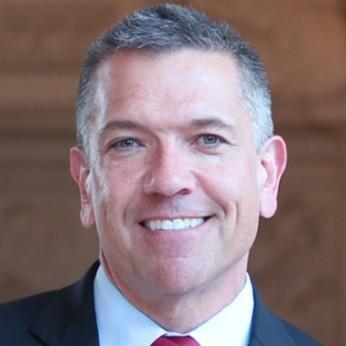
"Apoyamos a Dorsey cuando se postuló por primera vez en 2022, y ha pasado los últimos cuatro años aprobando leyes para ayudar a las personas a dejar las drogas y recibir tratamiento. Antes de unirse a la Junta, pasó 14 años en la oficina del Abogado de la Ciudad, donde trabajó en la lucha legal de nueve años por la igualdad matrimonial y en la demanda que salvó a City College del cierre, y más tarde fue director de comunicaciones del SFPD. Mi propia experiencia de recuperación de la adicción fue lo que me llevó a pedir — primero a la alcaldesa London Breed y luego a los votantes del Distrito 6 — un puesto en la Junta de Supervisores. Matt DorseySupervisor, Distrito 6 ¿Por qué votar por Matt Dorsey? 1. La recuperación primero El supervisor Dorsey ha hecho más que cualquiera de sus colegas para reorientar la política de drogas de San Francisco hacia el tratamiento y la recuperación. Su ordenanza La Recuperación Primero fue aprobada por unanimidad por la Junta y firmada por el alcalde Lurie en mayo de 2025, con lo que la remisión a largo plazo pasó a ser el objetivo oficial de los programas de drogas de la ciudad. Este julio, su ordenanza de Vivienda Libre de Drogas fue aprobada por la Junta con una votación de 7-4, lo que requiere que la ciudad priorice las opciones libres de drogas en la vivienda permanente con servicios de apoyo. Es un gran cambio en la política de la ciudad: hoy solo 42 de las aproximadamente 8,500 unidades de vivienda con servicios de apoyo de la ciudad están libres de drogas, aunque el Departamento de Salud informa que el 26% de las sobredosis mortales de la ciudad ocurrieron dentro de viviendas con servicios de apoyo en 2024, más que las que ocurrieron en la calle. Las personas en recuperación no deberían verse obligadas a vivir en un entorno de abuso de drogas y alcohol solo porque necesitan ayuda con la vivienda. También copatrocinó el Centro RESET, que ofrece a las personas arrestadas por consumo público de drogas una alternativa a ir a urgencias o a la cárcel, conectándolas con recursos para la recuperación y ahorrando dinero a los contribuyentes. Dorsey lo llama el cambio de política más importante desde que comenzó la crisis del fentanilo. 2. Una fuerza policial con personal completo Dorsey se ha enfocado incansablemente en resolver la escasez de personal del SFPD."
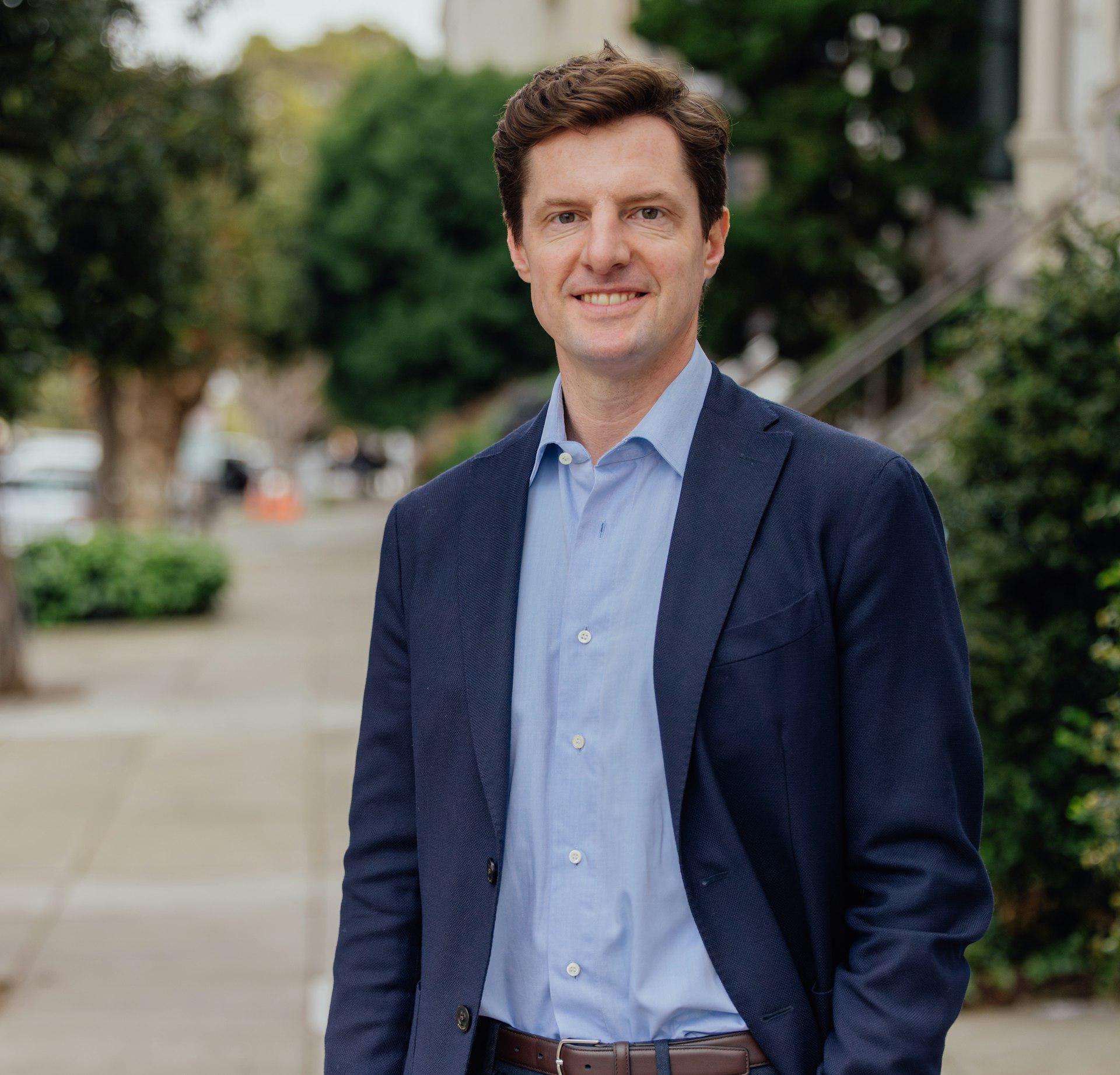
San Francisco County Board of Supervisors · District 2
Sherrill aporta verdadera experiencia en políticas públicas y un enfoque preciso en un gobierno receptivo y eficaz. Se desempeñó como asesor principal de políticas públicas en la administración Bloomberg en Nueva York, dirigió la Mayor's Office of Innovation aquí y, como Supervisor, ha reducido la burocracia mientras se ha enfocado en la seguridad pública, los pequeños negocios y el costo de vida. El Distrito 2 está de acuerdo: ganó el 69% de los votos en junio y no enfrenta oposición seria en noviembre. Sin calles seguras, los padres no dejarán que sus hijos caminen a la escuela, los negocios no pueden mantener sus puertas abiertas y la gente pierde la confianza en la ciudad. Reconstruir esa confianza comienza con resultados visibles, como aceras más limpias, respuestas más rápidas cuando la gente llama para pedir ayuda y una mejor coordinación entre los departamentos de la ciudad para abordar el consumo público de drogas y mejorar las condiciones de las calles. Stephen SherrillSupervisor, Distrito 2 ¿Por qué votar por Stephen Sherrill? Seguridad pública: Sherrill copatrocinó legislación para agilizar las respuestas del 911 cerca de escuelas y parques, copatrocinó la legislación del alcalde Lurie sobre personas sin hogar que viven en RV, apoyó la ordenanza Recovery First que amplía las viviendas libres de sustancias y dirigió el nuevo programa gratuito de la ciudad para almacenar armas de fuego junto con SFPD. Pequeños negocios: Van Ness, desde City Hall hasta Broadway, tiene un 53% de vacantes en planta baja. El plan de Sherrill para permitir que las tiendas ocupen esos espacios vacantes desde hace mucho tiempo fue aprobado por unanimidad, y ayudó a extender el programa First Year Free, que ha eximido de tarifas de inicio a más de 13,000 pequeños negocios. Hacer que el gobierno funcione: Cuando dirigió la Mayor's Office of Innovation, su equipo desarrolló la tecnología que por fin permitió que los nueve equipos de alcance comunitario en las calles de San Francisco, distribuidos en cuatro departamentos, compartieran una misma vista de las personas a las que atienden: mejor atención, servicio más rápido y menores costos. Dirige su propia oficina de la misma manera, midiendo el éxito por la satisfacción de las personas a las que representa y el seguimiento.

San Francisco County Board of Supervisors · District 4
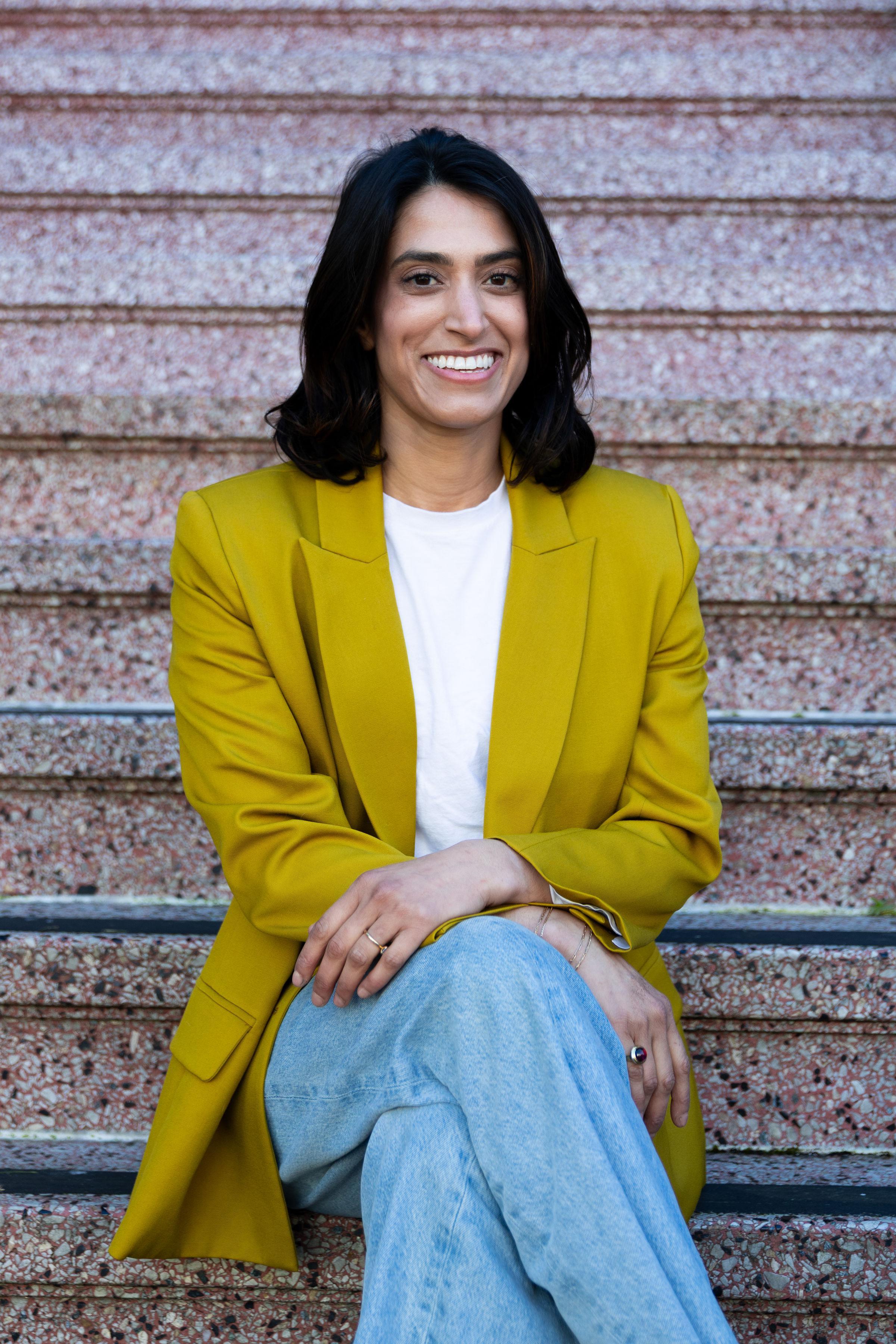
San Francisco County Board of Supervisors · District 8
San Francisco Assessor-Recorder
Recomendamos votar por Joaquín Torres para tasador-registrador. Esta oficina avalúa más de $350 mil millones en propiedades sujetas a impuestos y mantiene los registros oficiales de la ciudad. Aunque Torres se postula sin oposición, se ha ganado el cargo por méritos propios. Torres heredó un reemplazo de $55 millones, ya en marcha, de la tecnología de décadas de antigüedad de la oficina, iniciado bajo su predecesora Carmen Chu, y lo llevó hasta su finalización. No queremos restarle importancia al papel de Chu en esa importante transición. Ella merece todo el crédito por el arduo trabajo de ponerla en marcha, pero Torres sí merece el crédito por garantizar que se completara con éxito. En diciembre de 2024, hizo de San Francisco el primer condado de California en publicar gratuitamente en línea sus documentos registrados, más de 7 millones de ellos que se remontan a 1990, reemplazando un sistema que cobraba a los residentes por copias de sus propias escrituras. Lo hizo mientras mantenía los avalúos según lo programado durante el mercado de bienes raíces comerciales más volátil que se recuerde y, según sus propias palabras, el mayor volumen de apelaciones de avalúos desde la Gran Recesión.
San Francisco Board of Education

San Francisco Board of Education
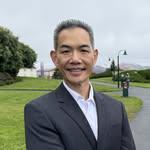
Phil is a former public school teacher who led STEM policy across 20+ states and 300+ schools, and his colleagues elected him Board President unanimously in January. Since joining in 2024 he has pushed the district toward things you can measure. He was the deciding vote that brought algebra back to 8th grade, and he made fiscal sustainability part of how the superintendent is evaluated, helping move SFUSD out of the budget hole that nearly cost teachers their jobs. "We are seeing literacy and math outcomes improving for the first time in years, even as we underwent significant budget reductions last year."
San Francisco Board of Education

San Francisco Community College District Board
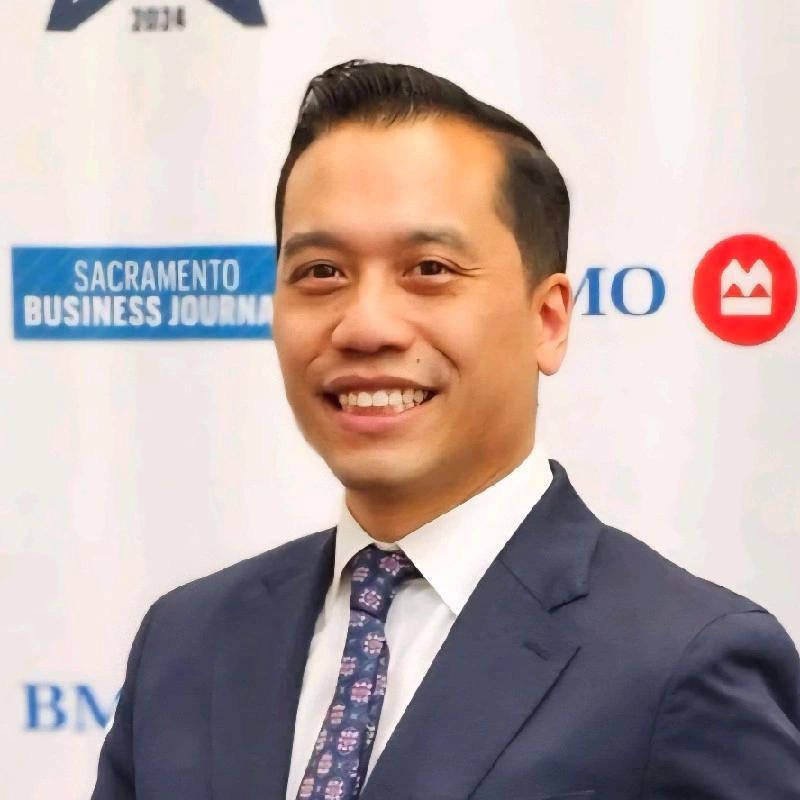
Ball is a college campus planner who has done this job at other California community colleges. He was a campus planner for Folsom Lake College's 2025 facilities master plan and worked on state capital funding proposals for Long Beach City College and Pasadena City College. His argument is that enrollment, academic programs, facilities, and money are one problem rather than four, and that trustees should be judging decisions against a five-year outlook instead of the next budget cycle. He wants the Board to track the college's 2024 enrollment plan against actual results, and to find a use for the Downtown Campus that closed this year.

San Francisco Community College District Board
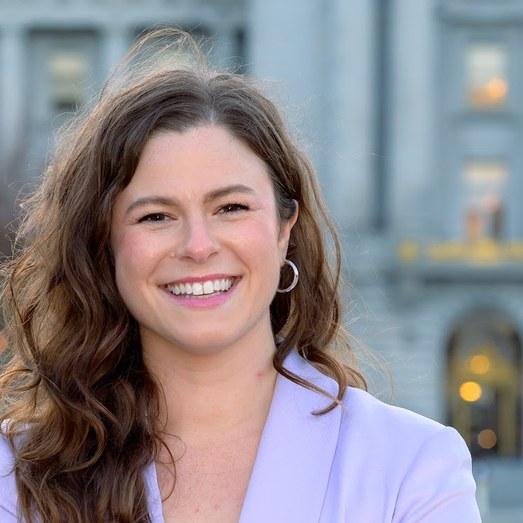
Lace teaches at a Title I school, chairs her department, and sits on her school site council, which puts her on the SFUSD end of the pipeline to City College she wants to widen. She would expand Bridge to Success, the program that walks SFUSD seniors through enrolling at City College, and restore credit-recovery classes at high school campuses instead of only at the Mission Center. A licensed cosmetologist herself, she points out that San Francisco has no public college program in cosmetology, barbering, or manicuring, so students commute to San Bruno or Oakland, and that City College's career-technical graduates see an average 44% wage increase. She also takes on the third finding in that warning, the one about trustees interfering in the Chancellor's job. A trustee who promises to direct the hiring of specific employees or bypass the Chancellor from the dais misunderstands the office.
San Francisco Community College District Board
Tam, a former City College student, has spent 25 years as a municipal financial advisor and has worked with more than 30 California community colleges on their financing plans. He has diagnosed the college's money problem: enrollment has fallen by a quarter in a decade, and by his count a state guarantee that props up funding for shrinking colleges has grown from 6.6% to 19.1% of City College's state funding in four years. That guarantee will stay flat from here on, which Tam calls a fiscal cliff. City College's next board inherits a deficit, an accreditation clock, and an enrollment problem. Ball knows how a campus gets built and paid for, Lace knows where the students would come from, and Tam knows how to read the books.

Bay Area Rapid Transit District Board · District 8
We endorsed Barz for the Democratic County Central Committee in March 2024, and this is the job her career has been pointed at the whole time. She co-founded Seamless Bay Area to push the region's agencies to work as one system rather than two dozen fiefdoms, and co-authored SPUR's 2015 report making that case. She worked on Clipper and the Clipper START low-income fare discount at MTC, and has spent the years since at Apple putting transit cards into Apple Wallet across North America and Europe. All of it is what riders use on every trip: how you pay and how you get through the gate. That matters more than usual right now. If the regional transit measure fails in November, BART's own board materials lay out a 63% cut in train hours, a 30% fare increase, a 9 p.m. shutdown, and ten station closures starting in January 2027. She is specific about what she would do with the seat. She supports the new fare gates and still wants them fixed, because the lines they create at rush hour are their own problem. She would expand the transit ambassador program as the cheapest way to put more staff where riders can see them. She wants BART's outreach contracts tied to results, pointing to the $350,000 contract an audit found had gotten one person into treatment over two years. And she wants BART to stop treating ground leases as its whole development strategy and win state authority to capture more of the value its stations create. BART needs to do its part to address the shortage of affordable homes, but it also doesn't benefit low-income workers to build transit-oriented housing next to a transit system that can't afford to run transit.
San Francisco Community College District Board (Partial Term)
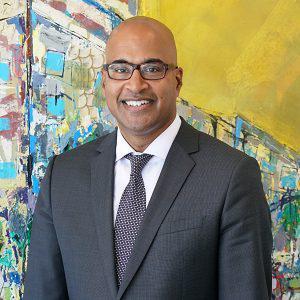
We endorsed Ferguson in 2024, and Mayor Lurie appointed her to the Board in January to fill the seat Alan Wong left when he became District 4 Supervisor. She is running unopposed for the rest of that term. Half a year in, she has the college's cost problem down to specifics. Salaries and benefits consume more than 90% of the unrestricted general fund against a state Chancellor's Office guideline of 85%, and as she points out, that share keeps climbing even when headcount holds flat, because the revenue underneath it is not growing. She backed Chancellor Messina's division reorganization as one answer. Her enrollment plan follows the same logic: put money where demand already exceeds seats. That means health care pathways, where City College's nursing and allied health programs are capacity-constrained in the largest employment sector in San Francisco, and the workforce pipelines that already work, including CityBuild and the fire and police training programs. She came to this from student homelessness policy in the state Legislature, and before that she was student body president of a community college of more than 17,000 students, where she oversaw a $1.4M budget. City College's finances will be decided in the next two years, not the next decade. Ferguson has spent her first six months on the Board learning exactly where the money goes.
San Francisco Public Defender
Recomendación: votar sí
Prop 1 would deliver the funding to build about 45,000 subsidized homes that are already fully designed, permitted, and ready to break ground. Bonds are required to fund this construction because California shut down ongoing funding in 2012 when the Legislature dissolved local redevelopment agencies. Prior to 2012, more than $1B per year was available to build low-income housing, but ever since it has been paid for by one-time bonds that voters are required to approve: $2.1B in 2002, $2.85B in 2006, $4B in 2018. Each bond gets fully committed to projects across the state, and then the pipeline freezes until the next voter-approved bond. That is a terrible way to fund something you need every year, and it is fair for voters to be annoyed by it. But the good news is that these bonds work. Averaged across past bonds, every $100,000 of state money turns into a home for a low-income family trying to make ends meet. As of June 2024, the 2018 bond delivered or funded 22,735 homes with the $2.34B awarded so far. Note, however, that not all have been built; those homes are at every stage from just-funded to fully-occupied. Unfortunately, costs have risen from about $100,000 per home to about $250,000, so we estimate this $11B bond will fund about 40,000 homes. We want to note that California is particularly expensive because of high labor costs and expensive design rules that the government requires for these projects. RAND found that California builds subsidized housing at 1.5 times the cost of market-rate housing here, and four times the Texas average. Voters must choose between funding a program that's expensive but works, or waiting for regulators to fix their self-imposed high construction costs. We think voters should authorize the bond and push for better cost controls. Every year a permitted project waits, its costs climb and its financing has to be rebuilt, so a delay itself burns public money. Vote Yes on Prop 1 to build the homes California has already approved.
Recomendación: votar sí
California has a poorly designed tax system. We cap property taxes, starving the state of education funding, so we make up for it with high income and capital gains taxes. But capital gains are unpredictable, so in boom years we might have a $100B surplus and in bust years we might run an $80B deficit. This means a rainy day fund is required to capture the surplus when we're flush so we don't have to cut services or raise taxes when we're not. Reasonable people can disagree about the right amount to save, and whether the government should be forced to do so, so consider this endorsement a weak yes. Two things voters may want to consider when deciding how to vote: Both OpenAI and Anthropic are poised to launch record-shattering IPOs in the coming year. If voters enact Prop 2, then the state will save more of that money than it otherwise would, without raising taxes. The flipside is that Prop 2 would make boom-year taxpayer refunds less likely. Rebates like the 2022 stimulus checks happen only when revenue exceeds the state's constitutional spending limit two years running, and Prop 2 counts rainy day deposits against that limit only once the money is spent (see the Gann limit above). Overall, we think building up the rainy day fund is the right choice.
Recomendación: votar sí
Higher taxes on high incomes raise more money for the state, but some of the people paying them leave, and some invest or work less. The question is how much of each. Luckily, we already know the effects of this tax: 535 top-bracket taxpayers left the state after this tax was enacted, against a backdrop of 66,936 total individuals, or about 0.8%. These top-bracket taxpayers make up roughly 2% of all taxpayers, but they account for about half of all state income taxes. We think voters should make these tax rates permanent and vote yes. Note: We object to the title of this proposition, which implies funding specifically for "Children's Education and Health Care." That's false, and Attorney General Bonta should have intervened to require an honest title.
Recomendación: votar no
Since San Francisco was not banned from running a public financing program, we were able to analyze its impact on our elections. From 2012 to 2019, donations to Supervisor candidates were matched 2-to-1 on every dollar, but after 2019 the city changed to a 6-to-1 match on just the first $150. We analyzed every itemized contribution to SF candidates since 2012 and found that after the city raised its match to 6-to-1 in 2019, the median donation went down while city funding was largely unchanged. So someone who could have given $450 in 2019 would just give $150 now. So it saved donors money while taxpayers picked up the bill. Maybe this would be worth it if it resulted in more diversity in elections, or in long-shot candidates making it, but elections did not change. The Ethics Commission's data shows incumbents winning at the same rate and fewer candidates running, while 2024 set a spending record and taxpayers picked up $8.8M of it. Public financing in San Francisco has meant donors give less, taxpayers pay more, and elections come out the same. Vote no on Prop 4.
Recomendación: votar sí
In 2021, 46 candidates ran to replace Governor Newsom. Larry Elder led that field with 3.6 million votes, 48% of those cast for a replacement, while 7.9 million voted to keep Newsom. Had the recall passed by a single vote, Elder would have become governor with fewer than half the votes Newsom got to keep his job. That prize is why interest groups treat state recalls as a do-over of the election they just lost. San Francisco already runs recalls the way Prop 5 proposes. In 2022 we removed three school board members and our District Attorney in single yes-or-no votes, the mayor appointed replacements, and the city moved on. When recalled school board president Gabriela López ran again that November, she lost decisively, which settled any argument about whether the recall spoke for the voters. This is an easy fix and an easy yes.
Recomendación: votar sí
Prop 37 will help restart condo construction, which has fallen to just 3% of new multifamily construction. Condos are the starter homes families can actually afford, and a critical problem stopped their construction: construction defect liability. Insuring a condo project costs three to four times what a rental costs, so builders build rentals instead. Prop 37 fixes this for homes in its program. Builders who join get a reformed defect process: they can repair problems directly and get a signed release when repairs are done, instead of spending years in court. The down payment loans then supply buyers for the new starter homes. We are normally skeptical of down payment subsidies because helping buyers bid on a fixed stock of homes simply raises prices for everyone. But Prop 37's loans work only on new construction, so the demand lands where supply can respond. We would have preferred this fix by legislation in Sacramento, and it almost got there. AB 1903 passed the Assembly 68 to 0 and cleared the Senate, then died when the session ended before a final vote. Until Sacramento tries again, Prop 37 is the only relief available. It's an experiment, and the Legislative Analyst's Office cannot say whether it will spur construction. But borrowers repay the loans, and if the program fails, taxpayers won't owe anything. Let's give it a shot and see if it works.
Recomendación: votar no
Prop 38 was filed by billionaire Gary Michelson, and every dollar on the FPPC's list of top donors to the Yes campaign comes from him or from Meyer Luskin, both co-founders of the institute it would fund. The eligibility criteria for the $4.2B institute half describe the nonprofit institute at UCLA that Michelson co-founded and chairs, down to the two programs his gift created: a nonprofit existing by January 1, 2025, at least 200,000 square feet, $250M in pledges, and $50M each for vaccine and microbiome programs. A UCLA spokesperson confirmed that no other institution qualifies. If Washington cuts research funding, the Legislature can fund scientific research in any year's budget and award it competitively. It does not take a bond. And California already ran this experiment with $8.5B for stem cell research in 2004 and 2020: the only FDA-approved treatment that arose arrived after 21 years, for an ultra-rare disease, while 92% of awards through 2012 went to institutions tied to the agency's board. Immunotherapy is not a field short of money. One immunotherapy drug, Keytruda, sold $31.7B in 2025, and private investors chase every promising lead in this field. Public money is not needed where private money is abundant. Prop 38 would cost $500M to $600M per year for about 20 years from a General Fund that the Legislative Analyst says is running a structural imbalance this year, with deficits projected every year after. Research is a good cause and it's great that the state and federal government fund it, and that is exactly why it deserves better than a bond one donor wrote around his own institute. Vote no.
Recomendación: votar no
In-person impersonation, the only fraud a photo ID check can stop, is about the rarest event in American elections: a Brennan Center review of the Heritage Foundation's database of proven fraud cases found just 10 cases across billions of votes. Prop 39's citizenship checks ask only for officials' "best efforts" against government data, and the state already verifies your identity against DMV and Social Security records when you register to vote. The real change lands on the four out of five Californians who vote by mail. Prop 39 makes you write four digits of an ID number on your return envelope, and they must match the ID number sitting in your registration file. Forget which number you registered with, or transpose a digit, and your valid ballot has a brand-new way to get rejected, on top of the signature check that already works. For this, the Legislative Analyst's Office estimates it will cost in the tens of millions to low hundreds of millions of dollars per year, all to chase a non-existent problem, all while making your own ballot easier to reject. Vote no.
Recomendación: votar no
Prop 40 is a one-time tax collected to fund programs that run forever, and the money is smaller and less certain than the campaign claims. The Legislative Analyst's Office expects tens of billions of dollars, not the campaign's $100B, plus an ongoing loss of income tax revenue of less than $1B per year as wealthy taxpayers leave. Six billionaires already left before the residency date arrived, taking an estimated $27B of the projected haul with them along with the yearly income taxes we no longer get. The federal Medicaid cuts are real and hospitals do need the money, which is exactly why they need money that will actually arrive. The money may also show up late or never. No state has taxed net worth this way, and the measure schedules its own court fight to run into late 2027. A clinic cannot make payroll with revenue that is tied up in court. You do not have to take our word for it. The California Teachers Association, Planned Parenthood, the California Medical Association, and the state's hospitals, the groups this money is supposed to rescue, oppose it, and so does Governor Newsom. This same ballot carries a durable alternative we endorse: Prop 3, which keeps the existing tax rates on high earners. Fund health care with money that shows up. Vote no on Prop 40, and yes on Prop 3.
Recomendación: votar sí
California's constitution caps how much tax revenue the state can spend each year. The cap is called the Gann limit, after the 1979 ballot measure that created it. But a ballot measure can exempt itself: declare that its tax revenue does not count against the cap, and the limit never applies. Prop 40, on this same ballot, does exactly that. Prop 41 closes the loophole: no new state tax may exempt itself from the limit. A constitutional limit that any measure can evade in a definitions section is not law, it is decoration. We are not fans of the Gann limit. Since 1978, California has capped property taxes, capped spending, and leaned on volatile income and capital gains taxes to fill the gap, which is why the budget lurches from surplus to deficit. We would happily see that system rebuilt. But the way to change a constitutional limit is to put the change to voters directly, as Prop 2 on this ballot does with the limit's savings rules. It is not to leave a loophole open for whichever campaign hires the cleverest lawyers. One thing to know before voting yes: the audit half is weak machinery. The State Auditor must recommend 10% annual savings from every audited program whether or not the waste exists, nothing compels a program to adopt any recommendation, and the Legislative Analyst's Office calls the savings unknown. Constitutional limits bind until voters change them. Fix the Gann limit; don't evade it. Vote yes.
Recomendación: votar sí
Prop 42 closes a door that should never have been open: taxing Californians on wealth they have not realized and may never see. It bars new state taxes on owning savings and assets and bars retroactive taxes that reach back to conduct or residency before a law takes effect. Every existing tax stays: when you sell stock, collect royalties, or cash out a business, California taxes you today and will tax you the same way after Prop 42. Ownership taxes fail on their own mechanics. Assets without market prices cannot be fairly valued, illiquid holdings force owners to sell or borrow to pay bills on paper gains that may evaporate, and retroactive taxes break the basic bargain that rules are known before they bind. These defects are not hypothetical: they are why Prop 40, this ballot's one-time wealth tax, needs installment schedules, deferral mechanisms, and appraisal fights just to function. This is a constitutional lockout, and we are generally wary of those. But defining what kind of thing the state may tax is exactly what constitutions are for: the federal income tax required an amendment to exist, Prop 13 already caps property tax rates, and a future majority can amend this the same way this majority enacts it. Know what you are voting on, though. Prop 42 was funded almost entirely by Building a Better California, the committee backed by Sergey Brin and other tech founders, and its protected-asset list (business interests, digital assets, intellectual property) reads like their portfolios. It also carries a clause that voids Prop 40 outright if Prop 42 gets more yes votes. We oppose Prop 40 on its own merits, so neither changes our vote. Judge the text, not the donors. Prop 42 keeps every tax California has and stops only the ones that tax you for owning what you already earned. Vote yes.
Recomendación: votar sí
Since the 2017 Upland court decision, special taxes (that is, taxes which can only be spent on specific purposes) have been treated differently depending on how they got on the ballot. For local special taxes, the threshold is 66.66% of voters if the local legislature proposes it, or just 50% of voters if a campaign pays to gather signatures instead. We think treating the same law differently based on how it gets on the ballot is unfair and inconsistent. Tax policy should be written by the legislators we elect to write it, with hearings and amendments, not by whichever campaign can afford signature gatherers. California already puts too many tax questions to voters directly. A tax that skips the legislature should at least have to win broad support. In deciding our position on Prop 43, we considered the fairness and consistency of the rules governing special taxes, the permanence of earmarks, and the impact on majority rule. Fundamentally, we think all taxes should be subject to the same rules, regardless of how they get on the ballot. We also strongly believe that taxes which land in the general fund should just require a simple majority. Special taxes, in contrast, restrict the use of revenue to specific purposes, limiting the flexibility of future majorities to allocate funds as they see fit, and therefore bind future decision-makers to the choices of the present. We think special taxes should require a supermajority to pass, ensuring that such permanent commitments have broad support. A slim majority of voters should not be able to impose permanent financial obligations on future generations. The strongest objection is majority rule: under a two-thirds threshold, 35% of local voters can block what 65% support. But a permanent earmark binds majorities too. A tax that no future majority can touch should have to win a supermajority once, and that protects majority rule over more years than it offends it in one election. Vote yes on Prop 43.
Recomendación: votar no
Prop 44 is SEIU-UHW's fourth try at regulating a healthcare industry by ballot measure, after voters rejected all three of its dialysis initiatives. The target this time is nonprofit community clinics, where operators say the union is organizing, and the tool is a rule that every clinic spend at least 90% of its revenue on "mission-related expenses." A 90% floor sounds reasonable. But everything else a clinic pays for has to fit into the other 10%, and the Legislative Analyst's Office found that clinics today average about 80%, so most community clinics in the state would owe a penalty. That penalty is the entire shortfall. The measure also never defines its central term: the Attorney General writes the definition after the election, so a clinic that pays for patient vans or community outreach could be penalized like a profiteer. An analysis commissioned by the clinics puts first-year penalties at $1.7B, and the clinics are suing in federal court to stop it. The people who actually run the safety net, the California Primary Care Association, the California Medical Association, and Planned Parenthood, all oppose it, at a moment when federal Medicaid cuts are already squeezing clinics that serve 4.2 million Medi-Cal patients. A labor dispute belongs at the bargaining table. Don't let it be settled by fining the clinics your neighbors depend on. Vote no.
Recomendación: votar sí
Environmental review in California has no clock, and finishing it buys no certainty. An agency can take years to review a housing project or a solar farm, and once it's finally approved a single lawsuit can void it and send everyone back to the start. The only guaranteed winner is whoever wanted nothing built. Prop 45 puts the process on deadlines for essential projects: housing, water, clean energy, clinics, schools, broadband, and transit. Agencies get 30 days to deem an application complete, 90 business days to rule on an exemption, and 365 business days to finish an environmental report, and an applicant can force a decision when an agency blows a deadline. Lawsuits must finish, appeals included, within 270 days, and a court can halt the piece of a project that breaks the law but can no longer kill the whole thing. Nothing is exempted; every project still completes environmental review under the same laws. The Sierra Club objects that narrowing what opponents can sue over weakens enforcement, and that is the real trade: Prop 45 moves power from whoever can afford a lawsuit to whoever follows the written rules. We think that is the right trade, applicants can choose whether to use the faster process, and the Legislature can amend it by a two-thirds vote, which most initiatives never allow. The costs land where they should, too: the Legislative Analyst's Office expects start-up costs for private projects to be covered by applicant fees and reimbursements, and likely long-term net savings for government from the reduced workload. The Legislature proved the logic in 2025 when it exempted most infill housing from CEQA. Prop 45 extends the same logic to the rest of what California is short of. Delay is a policy choice, and you pay for it in rent, energy bills, and water rates. Vote yes.
Recomendación: votar sí
Prop A is a common-sense solution to an obvious problem: City Hall has too much bureaucracy that slows everything down. Complex organizations with tens of thousands of employees need Directly Responsible Individuals who can be held accountable for failures. The ultimate Directly Responsible Individual is the Mayor, and voters decide if he or she has done a good job. But currently the Mayor lacks the power to hold individuals accountable in many departments because they are shielded by commissions that don't answer to the Mayor. What we get instead is diffusion of responsibility, chaos, and failure. Prop A fixes that. A San Francisco Civil Grand Jury report counted 152 commissions cluttering City Hall. Every commission and unaccountable layer of bureaucracy blurs responsibility, so when something fails nobody is responsible and nothing is fixed. Two decades of well-intentioned but poorly executed ballot measures built this broken system, and it's time to fix it. Prop A restores a functional chain of command so that individuals are clearly responsible for success or failure. Departments will answer to elected individuals, not unelected commissioners, so voters can actually hold them accountable. Every link in the chain of command will now end with you. Vote yes on Prop A.
Recomendación: votar no
Recomendación: votar sí
San Francisco currently pays for subsidized low-income homes (often misleadingly called "affordable homes") by taxing the construction of new homes. The tax is called inclusionary housing: builders must rent or sell a share of the homes in every new building below market, or pay a fee instead, and that loss comes out of the project just as a tax would. New UC Irvine research found that these taxation schemes cut new home construction by nearly a third. And since subsidized low-income homes only get built when the regular market-rate projects around them do, the tax suppresses both kinds. The current tax scheme raises rents for everyone. Adding up the higher rents everyone pays because of that lost housing, each subsidized low-income home the policy produces costs renters about $800,000. Building one directly, without this tax, only costs about $441,000. In May 2026, Supervisor Melgar and Mayor Lurie made a deal with the nonprofits who build low-income housing: the nonprofits would stop fighting a cut to the tax, and in exchange the City would grow the Housing Trust Fund. The Board delivered the first half on July 14, 2026, when it cut the tax from 15% to 5%. Prop C is the second half. We think this is a good deal, and Prop C is how voters keep the City's end of it. The lower tax is what makes every kind of home cheaper to build, which puts downward pressure on rents across the city. The bigger fund replaces the subsidy the tax used to squeeze out of builders, and it does so the cheap way, by paying for homes directly instead of through lost housing. Strictly speaking, the cut is already law and does not depend on Prop C. But the nonprofits stood down on the strength of this fund, and if voters reject it, the fight over the rate starts right back up. We typically oppose set-asides, but this one is built well: growth caps at 3% per year once the fund reaches $125M, and the Board can freeze or trim contributions in bad budget years.
Recomendación: votar sí
San Francisco is forced to vote on too many ballot measures. This year we have 10, in 2024 and 2022 we had 15, and in 2016 we voted on 24! Meanwhile, Oakland voted on just three in 2024. The problem is that San Francisco has the lowest number of required signatures in the state to put a measure on the ballot: just 2% of voters. Our peer cities range from 5% to 10%. Since it's so easy to run a ballot measure, the ballot has become an easy way for a small group of special interests to enact a law that can never be changed by our elected Board of Supervisors. Laws that are not easy to fix should not be this easy to enact. Beyond just shortening the ballot, we also like that it ends the ability of a minority of Supervisors to place a measure directly on the ballot and the ability for the Mayor to unilaterally place measures on the ballot. This will end the practice of using the ballot as a backstop to pass bad laws. Now our elected leaders will actually need a majority to enact new laws! Vote yes on Prop D to shorten your ballot.
Recomendación: votar sí
San Francisco's tangled purchasing rules gave us the $1.7M toilet: a cheaper prefab model existed, but a City rule banned buying it from Nevada. That rule, which barred contracting with companies from 30 states, forced City departments to file 538 waivers in a single year, and it took seven years before the Board admitted failure and repealed it. Meanwhile, buying anything through City Hall still takes about $25,000 of process, six to twelve months, and up to 14 departments, under rules scattered across more than 100 sections of code. Nobody is in charge of the rules, so nobody can fix them. Prop E puts one person in charge: The City Administrator will write one purchasing rulebook, every department will follow it, and either the Board of Supervisors or the Mayor can reject bad rules. A 2024 law that simplified purchasing for small projects shows that better rules lead to better outcomes. Rec and Park says the new method cuts playground delivery from several years to 12 to 18 months, and its first project, Bernal Heights Playground, was renewed for $1.3M. Vote yes on Prop E.
Recomendación: votar sí
When a City department fails, you expect the Mayor to fix it. But Mayor Lurie says he can hire and fire just 6% of the City's department heads, and that replacing a failing one can take six to twelve months. Most of the rest answer to unelected commissions, which pick the candidates and decide who keeps the job. The Mayor you elected can only make a recommendation. Prop F closes that gap. The Mayor would choose department heads, reorganize departments that aren't working, and answer to you for the results. As SPUR adviser and former City Controller Ed Harrington put it, "if you want the mayor to be held responsible, you have to give them authority to make decisions." The checks are real. The Board of Supervisors can still block any reorganization, and on police accountability the measure cuts the other way: appointing the police-accountability director moves from the Mayor to the Police Commission. Yes, this is Mayor Lurie's own measure, and it gives his office more power. It also gives you someone to hold responsible. Vote yes on Prop F.
Recomendación: votar no
San Francisco has voted on this twice. In 2022, we rejected a measure to keep cars on the Great Highway, 65% to 35%. In 2024, we passed Prop K, 55% to 45%, and built Sunset Dunes. Rec and Park's sensors recorded 1.7M visits in its first year, more than half of them on weekdays (the very days Prop G would give back to cars). We estimate that about 500,000 of those sensor detections were new, which is still a lot of park use. Prop G asks the whole city to vote on the same question a third time, and it would not be the last. It writes a weekday-and-weekend schedule into law that only voters can change: the Board of Supervisors could amend technical details with eight votes, but it couldn't move the Friday closing back to noon, where the old compromise had it. A schedule like that should be the Board's to adjust as conditions change. Instead, every tweak would mean another citywide election. Getting Prop G on the ballot took only about 10,600 signatures, 2% of registered voters. Prop D would raise that bar to 8%, so a small group can't keep putting a settled question back on your ballot. Vote no on Prop G. Let's all move on.
Recomendación: votar sí
Muni is running out of money. Pandemic relief is gone, and the SFMTA projects a $307M deficit next year, growing to $434M within five years. The agency says that without new money it would cut up to 20 routes, run longer waits on the rest, and end regular service at 9 p.m. Muni has done its part. Since 2020 the SFMTA has cut $246M in costs, mostly by eliminating more than 500 vacant positions, and its new two-year budget eliminates 89 more and trims $20M in non-labor spending. It also cut some service in summer 2025 to help close a $50M gap. Even so, the balanced budget leans on a $200M state loan that only buys time. We're skeptical of that collapse story. City Hall would never actually let Muni cut a third of its service; it would quietly backfill from a General Fund the Controller projects will be $741.7M short in FY 2028-29, and the cuts would land on parks, street cleaning, and everything else instead. What Prop H really does is raise new revenue so City Hall can avoid that budget fight. That's fine, but we wish lawmakers were honest about it. The real choice is whether Muni gets its own funding or its deficit quietly eats the rest of the budget. Funding it directly is the better deal, and the price is reasonable: most homeowners pay $129 per year, and a rent-controlled tenant pays at most $65 per year. We don't love the senior exemption. Homeowners 65 and older pay nothing at all, and they are the same group that already pays the lowest property taxes in the city, because Prop 13 froze their assessments decades ago. Renters, young families, and recent buyers, the people already carrying the biggest tax bills, will fund the buses while the most protected taxpayers in California are exempted again. That's backwards. The tax is built to stay accountable: it sunsets in 2042, an independent efficiency review is due by April 2028, and the Board of Supervisors can amend or repeal it by majority vote if the SFMTA wastes the money.
Recomendación: votar no
Prop I would remove $120M per year from the City's General Fund (the account that pays for most city services), and dedicate it to a small list of preferred housing programs. The City already projects a $741.7M deficit, so every rerouted dollar is a cut to parks, street cleaning, or public safety. It would be the City's 24th voter-mandated spending requirement. Prop I also locks in San Francisco's transfer tax (the second highest in the state!). Today the Board of Supervisors can lower it by ordinance. Under Prop I, only voters could, and the measure even reverses any cut the Board makes before it takes effect. When Los Angeles taxed big property sales this way, sales fell 38%, and the lost property taxes offset much of what it raised. The rates in question are only six years old: in November 2020, voters passed a measure written by former Supervisor Dean Preston that doubled the transfer tax on sales of $10M or more, from 2.75% to 5.5% and from 3% to 6%. Preston has championed this measure, which would put those rates beyond the Board's reach. We support real money for subsidized housing. That's why we endorsed Prop C, which grows the Housing Trust Fund to $125M per year and lets the Board pause contributions in bad budget years. Vote no on Prop I.
Recomendación: votar sí
When you sell your condo, San Francisco taxes the full sale price, whether you made money or lost it. When Madison Capital bought the defaulted loan on the 34-story tower at 45 Fremont for $238M this year and took the building, it paid no transfer tax. Under Prop J it would have owed 6% of what the building is worth, roughly $14M at the price it paid. The exemption was written in 1967 for a bank stuck with a building it never wanted, and for decades it mostly covered homes. Then investors learned to buy the loan instead of the building, and the Assessor now counts $450M in foreclosure exemptions claimed in the last three years, against $50M in the fifteen years before that. The tax they skip is the one every ordinary buyer pays, and homes and small buildings keep the exemption either way. The San Francisco Taxpayers Association argues Prop J would make lending here "significantly riskier and more expensive than anywhere else in the state", and we raised the same worry in June. But a lender pays only when a loan has failed and the building changes hands, a small extra cost on a loss it is taking anyway, so the premium is the tax times the odds of that happening. Our worst-case estimate, under Fiscal impacts above, is that Prop J adds about 0.14 points per year to a $100M office loan that carries about 2 points of risk premium, and less in practice, since the tax falls on what the building is worth by then, not on the loan. New York and Florida have taxed foreclosures and deeds in lieu for decades, on the full unpaid debt rather than on what the building is worth, and banks still lend there. But those rules are statewide, so no city there loses a loan to the town next door. California exempts foreclosures statewide, and San Francisco would be the only major city in the state taxing them, unless Oakland passes the same fix this November. Prop J started as half of a plan.
Recomendación: votar sí
If BART runs out of money, there is no backup plan. Muni is a City department, so City Hall can always move money to it (which is the backstop Prop H is really about). BART is an independent district that lives on fares and its own dedicated sales tax. It can raise fares, but it cannot raise taxes on its own, and no county budget stands behind it. BART says it won't even draw on the state's emergency loan if this measure fails, because it would have no way to pay the loan back. BART has already done the hard work. Since 2019 the region's big operators have documented more than $1B in savings, and BART runs at $375 per train hour, cheaper than Washington's Metro or Atlanta's MARTA. It is still $378M short next year, a number an independent review validated. Muni has done its part too. Since 2020 the SFMTA has cut $246M in costs, mostly by eliminating more than 500 vacant positions, and its balanced budget still needs a $200M state loan to get through next year. Here is what "no" looks like, in BART's own words. Starting January 2027: a 63% cut in train hours, three lines instead of five, a train every 30 minutes, closing at 9 p.m. seven days a week, and fares up 30%. If that isn't enough, July 2027 brings up to 15 station closures, fares up a cumulative 50%, and 1,200 layoffs. The last item on BART's contingency list is "stop passenger service." Nobody wants to pay more sales tax, and it's unfortunate that this one falls hardest on lower-income residents, who already spend a larger share of their income on necessities, and that San Francisco pays double the other counties' rate. But we don't get to choose between a great plan and an OK plan. The choice is between a 63% service cut with 30% higher fares, or a modest sales tax that keeps transit running and riders moving. The tax comes with guardrails.
GrowSF's endorsements for the November 3, 2026 election, from their published voter guide: https://growsf.org/voter-guide/san-francisco-voter-guide-november-2026-election/, se abre en una pestaña nueva (published 2026-10-12).
"Recomendamos votar por Ben Allen para Comisionado de Seguros. Ben Allen tiene la experiencia, los conocimientos y la trayectoria para arreglar el deteriorado mercado de seguros de California. En las primarias de junio respaldamos a Patrick Wolff, aunque mencionamos que Ben Allen también era una buena opción. Lamentablemente, Patrick Wolff perdió, por lo que la elección de noviembre es un enfrentamiento directo entre Ben Allen y Jane Kim. Recomendamos firmemente a Ben Allen y nos oponemos firmemente a Jane Kim. El mercado de seguros de California está deteriorado. Las compañías de seguros están dejando el estado, el FAIR Plan administrado por el estado ha aumentado a 610,000+ pólizas (un aumento del 154% desde 2021), y los propietarios de viviendas en áreas propensas a incendios están siendo obligados a recurrir a un plan de respaldo con cobertura mínima que acaba de solicitar un aumento de tarifas del 36%. El próximo Comisionado de Seguros necesita entender qué es lo que realmente está fallando y cómo arreglarlo. Solo una persona candidata en esta contienda lo entiende. ¿Por qué votar por Ben Allen? Ben Allen ha dedicado más de una década a trabajar en seguros, clima y protección al consumidor. Como senador estatal, representa a las comunidades devastadas por el incendio de Palisades, donde pasó las secuelas ayudando a cientos de electores a luchar por sus reclamaciones de seguros, una experiencia que él llama "una perspectiva de primera fila sobre nuestro deteriorado sistema de seguros." Observó cómo el FAIR Plan casi colapsaba bajo $4 mil millones en pérdidas por los incendios de LA, con los costos distribuidos entre los titulares de pólizas en todo el estado mediante una evaluación de emergencia de $1 mil millones, y sacó la conclusión correcta: permitir que el FAIR Plan crezca sin control crea un riesgo sistémico para todos. Entre humo, cenizas e incertidumbre, vi cómo se ve el fracaso. Ben Allensenador estatal de California Ben Allen no esperó a que ocurriera una tragedia para actuar, sin embargo. En 2024, un año antes del incendio de Palisades, redactó Proposition 4 para autorizar un bono de $10 mil millones para la reducción del riesgo de incendios forestales y la infraestructura hídrica que los votantes aprobaron."
"La Junta de Igualación tiene una función bastante limitada, después de que se le quitaran la mayoría de sus facultades en 2017 tras una auditoría que reveló fondos faltantes y señales de nepotismo. El gobernador Brown promulgó legislación que le quitó a la Junta la mayoría de sus funciones, y el trabajo real pasó a dos nuevas agencias que controla el gobernador. Lo que queda es establecer el valor imponible de las propiedades ferroviarias y de servicios públicos, supervisar las prácticas de tasación del impuesto sobre la propiedad en todo el estado para lograr consistencia entre los tasadores de los condados y resolver ciertas apelaciones tributarias. De hecho, probablemente debería abolirse la oficina. Los legisladores han propuesto precisamente eso, y la exmiembro de la junta y contralora estatal Betty Yee cuestiona cómo la junta "sigue siendo relevante". John Pimentel es el raro candidato que coincide en que este cargo electo no debería existir. Hace campaña a favor de integrar el trabajo restante de la junta a las otras agencias tributarias del estado, lo que pondría fin a la práctica de pagarles $184,000 al año a cuatro miembros electos de la junta para supervisar una función técnica y administrativa. The San Francisco Chronicle lo respaldó "por su disposición a eliminar su propio puesto". California no sufre por falta de buenas intenciones. Sufrimos por falta de seguimiento, rendición de cuentas, ejecución práctica y la disciplina para decir 'NO'. — John Pimentel, cuestionario de GrowSF ¿Por qué votar por John Pimentel? Pero hasta que se abolida la junta, necesita a alguien que pueda dirigirla bien. La junta ha estado plagada de escándalos y mala gestión, y la Legislatura le ha quitado la mayoría de sus facultades. Las funciones restantes son técnicas y administrativas, y la junta merece a alguien que realmente haya dirigido cosas grandes y complejas. Su plataforma es práctica: modernizar la supervisión de la junta sobre los tasadores de los condados con herramientas de datos compartidos, agilizar las apelaciones de tasaciones y los reembolsos, y usar el cargo para impulsar el fin del impuesto sobre las ventas de alimentos y comida preparada. La trayectoria de John Pimentel se caracteriza por la ejecución."
"Este cargo importa mucho menos que la última vez que votaste por él. Según el presupuesto que Newsom firmó en junio, un comisionado nombrado por el gobernador asumirá el control del Departamento de Educación, en lugar del superintendente, el 15 de enero de 2027. Quien gane esta contienda prestará juramento a principios de ese mes y dirigirá el departamento durante apenas unos días. El superintendente tiene un voto en la Junta Estatal de Educación, que aumenta de 11 a 13 miembros y decide lo que se espera que aprendan los estudiantes, aprueba los libros de texto y administra los exámenes estatales. El cargo también incluye puestos en las juntas que dirigen los colegios comunitarios, CSU y UC, y una plataforma para defender las escuelas públicas. ¿Por qué Barrera? La aprobación de libros de texto es la mayor herramienta que le queda a este cargo, y la lectura es el área en la que California está fallando. Solo el 47% de los niños lee al nivel de su grado, y SFUSD está en el 10% más bajo de los 287 distritos. La respuesta de California en 2025 fue una ley sobre fonética que los distritos pueden adoptar o ignorar. Mississippi fue más lejos: pasó del puesto 49 en lectura de cuarto grado en 2013 a estar cerca del promedio nacional para 2019, al capacitar a docentes en fonética, asignar asesores de lectura a las escuelas con dificultades y hacer que los estudiantes de tercer grado que no podían leer repitieran el año. Richard Barrera lo llama "algo que vale la pena estudiar seriamente". Haría que la Junta hiciera seguimiento de una lista breve de resultados estatales y reportara públicamente si mejoran, en lugar de seguir agregando metas. California no sufre por falta de metas. Sufre de responsabilidades dispersas y seguimiento desigual. Richard BarreraMiembro de la Junta Escolar Unificada de San Diego En el Distrito Escolar Unificado de San Diego, Barrera impulsó al distrito a exigir que cada graduado completara los cursos necesarios para la admisión a UC y CSU, y afirma que la proporción de estudiantes latinos que cumplían con ese requisito aumentó del 25% al 70% en una década. Lo hizo con el poder de un integrante de la junta de un distrito de establecer requisitos de graduación."
"Wong fue designado por el alcalde Lurie en diciembre de 2025, elegido entre cinco finalistas en un proceso abierto, y ganó la elección especial de junio con el 46% de los votos de primera preferencia en un campo de cinco candidatos, casi el doble que su rival más cercano, y terminó con el 64.3% en la ronda final de votación por orden de preferencia. Creció en el Sunset, asistió a Lincoln High y llegó al cargo con una larga trayectoria de servicio público: organizador laboral, asistente legislativo de un exsupervisor del D4, líder de políticas públicas en Children's Council of San Francisco, miembro de la Junta de Community College y primer teniente de la Guardia Nacional del Ejército. El Sunset es la comunidad que amo y el único hogar que he conocido. Servir como supervisor es el mayor honor de mi vida. Abordaré este trabajo con el corazón de un servidor público. Como veterano, siempre pondré a mi comunidad y a mi país primero, por encima del partidismo o la ideología. Alan WongSupervisor, Distrito 4 Lo que ha hecho en el cargo En menos de un año, Wong ha construido el historial que esperábamos: Su primer voto fue a favor del Plan de Zonificación Familiar del alcalde Lurie, rompiendo con la historia de oposición a la densidad del distrito. Dijo que bloquearlo corría el riesgo de "perder el control local, lo cual no es aceptable". Copatrocinó duplicar la multa máxima por exhibiciones ilegales de autos después de que una tomara Kirkham y La Playa, igualando las sanciones de Oakland y San Jose. Copatrocinó la aceptación de una subvención federal de $6.25M que financia 50 puestos de agentes de policía, un acuerdo para retener a policías y la legislación del supervisor Dorsey sobre vivienda de apoyo libre de drogas. Su oficina está ayudando a residentes del Sunset a solicitar a SFMTA que convierta calles en estacionamiento en ángulo, agregando espacios sin reducir la velocidad de los autobuses. La Great Highway El primer acto de Wong en el cargo fue presentar una medida electoral para reabrir la Great Highway, reflejando la opinión mayoritaria en su distrito. Le faltó una firma de la Junta. Desde entonces, esa iniciativa ha sido reemplazada por la Great Highway for Everyone Act, impulsada por ciudadanos, que reabriría la vía a los autos durante los días de semana mientras la mantendría libre de autos los fines de semana."
"Manny Yekutiel se retiró. Terminó su campaña el 1 de octubre. Su nombre todavía aparece en tu boleta, pero no se postula. Patel está de nuestro lado en materia de vivienda. Apoya el Plan de Zonificación Familiar del alcalde Lurie: "Casi 50 años después de que redujimos la zonificación, era necesario poner fin a la congelación", le dijo a Mission Local. Apoyó reducir el porcentaje de vivienda inclusiva, al que Nguyen se opuso, y quiere plazos para permisos que aumenten automáticamente cuando la Ciudad no los cumpla. También nos encanta cómo toma decisiones. Lee las investigaciones y deja que los datos moldeen sus posturas. GrowSF seguirá publicando investigaciones y encuestas para ayudar a moldear la política de la Ciudad, y nos entusiasma tener a una supervisora en el Distrito 8 que las lea. Patel trabajó en innovación social y participación cívica en la Casa Blanca de Obama. En DoorDash ayudó a lanzar más de 300 mercados y creó el equipo que defendía los intereses de sus restaurantes. El sitio asociado de su campaña, TLDR SF, publica un explorador del presupuesto municipal y doce años de votos de la Junta de Supervisores, alrededor de 139,000 de ellos. Cuando los datos contradicen lo que esperaba encontrar, cambio mi postura, no los datos. Darshini PatelDefensora comunitaria ¿Por qué votar por Darshini Patel? 1. Lograr que se construyan las viviendas rezonificadas El estado exige que San Francisco planifique 82,069 viviendas nuevas para 2031. La Oficina del Contralor de Análisis Económico proyecta que el Plan de Zonificación Familiar agregará de 8,500 a 14,600 viviendas durante veinte años. La plataforma de vivienda de Patel parte de esa brecha: "La rezonificación era necesaria, pero no basta por sí sola". Además de hacer cumplir los plazos para permisos, extendería las reducciones de tarifas que vencen este noviembre y crearía herramientas locales de financiamiento que no dependan de fondos federales. 2. Medir los resultados y luego publicarlos Quiere que el 311 se evalúe según si los problemas vuelven a ocurrir, no según la rapidez con que se cierran los reportes, y que los resultados se publiquen por distrito. Dice que Muni no ha publicado datos de desempeño por ruta desde 2018 y quiere que se publiquen de nuevo."
Autumn is a public school parent of three and a former PTA president who still serves on her school's executive team. Most of what she has done for SFUSD families is unglamorous and useful: walking parents through the enrollment lottery, aftercare, special education, and the mid-year staffing changes nobody warns you about. That work led her to a question: if literacy and math are SFUSD's top priorities, what are the plans to improve them? She read the school achievement plans looking for the answer. It isn't there. In my preliminary review of school site plans, I am not seeing a clear line of sight between SFUSD's district-wide goals and the SPSAs [School Plans for Student Achievement] schools are being asked to develop. Autumn Brown GaribaySFUSD Parent / Former PTA President That's how a district announcement fails to turn into progress, and exactly what she'd fix. She'd push on both problems she knows first-hand: enrollment that families can navigate without insider knowledge, and goals that are traceable into the site plans, budgets, staffing, and teacher training meant to deliver them.
Tim has 20 years of experience auditing and balancing budgets, exactly the expertise the district needs to solve its budget crisis. He started in the City of San Jose's finance department, building the scenario models the city used to close structural deficits through the 2008 crash. He then spent 12 years at S&P Global Ratings reviewing the budgets and long-term forecasts of hundreds of local governments, testing what officials promised against what they actually delivered, and downgrading the ones that fell short. Today he chairs San Francisco's Citizens' General Obligation Bond Oversight Committee, which audits how the City spends its bond money. He is also an SFUSD parent who chairs his school's site council. He wants to stop the delay on zone-based student assignment and build a real reserve before the teacher-pay parcel tax expires in 2038. Policy without rigorous oversight is simply a wish list.
San Francisco does not need a public bank, especially when the law creating it, Prop B, is riddled with errors. You should vote against Prop B on the merits. Not only will it fail to solve the problems it claims exist, it requires FDIC deposit insurance, which the Bank of North Dakota does not have and which the FDIC will not grant a government-owned bank, and it exempts the bank's overseers from San Francisco's Sunshine Ordinance. If this were a more modest proposal to, for example, provide advantageous financing for infrastructure and construction projects, then we would be more sympathetic. But its ultimate goal is to hold taxpayer money in a bank where City Hall picks everyone who picks the bankers. One central tenet of the public bank is to move the City's money "out of Wall Street," but this claim doesn't survive contact with reality. The City's roughly $17 billion in cash isn't sitting in a Wall Street vault or invested in risky stocks; the Treasurer invests it mostly in safe U.S. Treasury and federal agency securities. It also has a fundamental internal contradiction: it cites the Bank of North Dakota as an example of a successful public bank while banning San Francisco from one of that bank's signature lending lines: fossil fuels. Prop B conveniently ignores the fact that the Bank of North Dakota is a significant energy lender, including oil and gas, at about 9% of its loan book. The bank's S&P rating notes its "substantial concentrations relative to most rated U.S. banks, including" energy and agricultural lending. North Dakota is so committed to its oil industry that it sued the federal government over the costs of policing the Dakota Access Pipeline (DAPL) protests, and won a $28 million settlement. Here are a few more inaccurate claims in the measure: Claim: The Municipal Finance Corporation can become a Public Bank once it "seek[s] all necessary regulatory approvals." Verdict: Blocked by the FDIC.