California General Election 2026
Guía electoral

California Insurance Commissioner

California State Board of Equalization · District 2

California State Board of Equalization · District 3

California State Senate · District 24

California State Senate · District 26

California State Assembly · District 12

California State Assembly · District 20

California State Assembly · District 44

California State Assembly · District 51
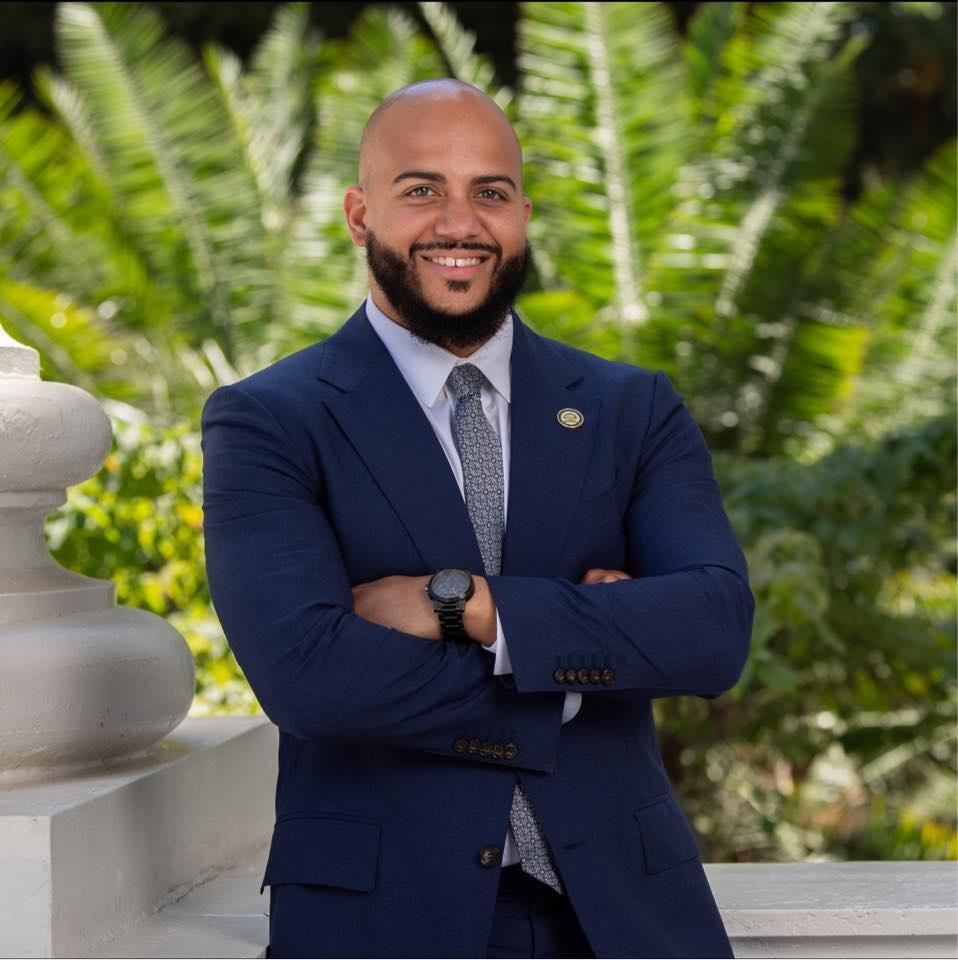
California State Assembly · District 55

California State Assembly · District 57

California State Assembly · District 61
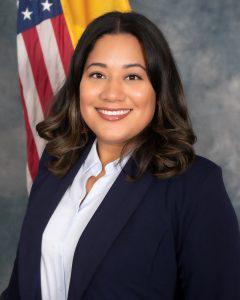
California State Assembly · District 68

U.S. House · California District 11
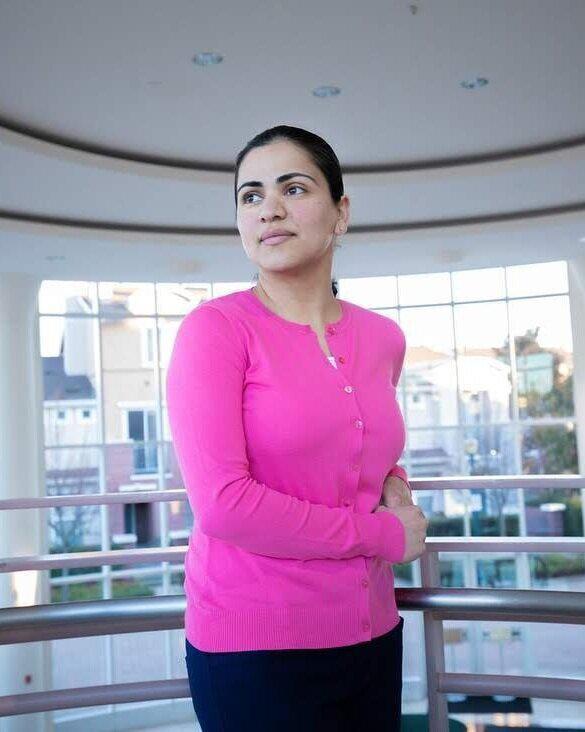
U.S. House · California District 14

U.S. House · California District 29

U.S. House · California District 34

Los Angeles City Mayor
"No votes por Bass. Ha supervisado una respuesta costosa e ineficaz al problema de las personas sin hogar, ha ampliado las labores policiales, no ha demostrado suficiente liderazgo climático y no ha defendido a nuestra comunidad mientras ICE destruye las vidas de los habitantes de Los Ángeles. Hasta ahora, la campaña de Bass se ha ido a la extrema derecha en un intento probablemente inútil de captar votantes de Spencer Pratt. Durante el debate de la HOA de Sherman Oaks, mencionó medidas más severas contra los vendedores ambulantes que operan “frente a” los negocios y reafirmó su política de vivienda que favorece la oposición a nuevas construcciones. Nithya Raman ha sido mucho más firme respecto al clima mientras ha estado en el cargo. Ha emitido votos importantes y valientes contra los combustibles fósiles. Tengo todos los motivos para creer que continuará priorizando el clima, reformará las juntas de LADWP y Metro, y restablecerá el financiamiento de la Oficina de Movilización de Emergencia Climática. Dicho esto, es decepcionante que nuestra contendiente sea una concejala progresista en funciones. Existe una posibilidad muy real de perder el escaño de Nithya en el Distrito 4 del Concejo ante una persona conservadora en una elección especial. El distrito de Raman fue rediseñado con fines partidistas para privar de representación a los inquilinos. No confío en que tengamos suficiente tiempo en una elección especial para mantener el escaño frente a los crecientes intereses conservadores. Tenemos cuatro concejales progresistas en un Concejo Municipal de quince integrantes. Necesitamos que ese número crezca. No digo que la alcaldesa de LA no tenga poder; digo que no podemos perder de vista lo vital que es el Concejo Municipal. Gane o pierda, tendrá que encontrar una manera de tender puentes y tendrá que terminar su mandato, incluso si eso resulta difícil. La gente votó por ella para que la representara y para que siguiera luchando por los habitantes de Los Ángeles y por nuestro clima. Tendremos que presionar a la alcaldesa para que haga lo correcto, ya sea Raman o Bass. Solo porque elegimos a alguien no significa que dejemos de presionar. Necesitamos que nuestra alcaldesa no se someta a las grandes empresas tecnológicas mientras continúan infiltrándose en la política de LA."

Los Angeles City Council · District 9

Los Angeles City Attorney

Orange County Board of Supervisors · District 5

San Francisco County Board of Supervisors · District 8
San Francisco Assessor-Recorder

Oakland Unified School Board · District 2

Oakland Unified School Board · District 6

San Francisco Board of Education

San Francisco Board of Education

San Francisco Board of Education

San Francisco Community College District Board

San Francisco Community College District Board

Berkeley City Council · District 7

Los Angeles County Superior Court Judge - Office 131

Los Angeles County Superior Court Judge - Office 64

San Francisco Public Defender
Recomendación: votar no
Recomendación: votar sí
Recomendación: votar sí
Recomendación: votar sí
Recomendación: votar sí
Recomendación: votar sí
Recomendación: votar sí
Recomendación: votar sí
Recomendación: votar sí
Recomendación: votar no
Recomendación: votar sí
Prop. 1 would authorize $11.25 billion in state bonds for affordable housing and homeownership programs. The funding would support housing for groups including low- and middle-income families, veterans, seniors, people with disabilities, farmworkers, foster youth, and people experiencing homelessness. Investing in stable, affordable housing helps people build secure lives, raise families, work, and participate in their communities.
Recomendación: votar sí
Prop. 2 would let California build larger reserves during strong economic years, giving the state more ability to protect public services during recessions. There is a tradeoff: money held in reserves cannot address immediate needs, and the measure extends debt payments. Prop. 2 is unusual because it is a legislative constitutional amendment, not a citizen initiative. It was placed on the ballot by the Legislature and is primarily backed by elected officials and institutional organizations rather than a heavily funded ballot campaign.
Recomendación: votar sí
Prop. 3 would make California’s existing high-earner tax rates permanent instead of allowing them to expire in 2031. About 89% of the revenue would go to K–12 public schools, with the remainder supporting community colleges. It would preserve an important source of funding for public education while keeping tax rates for high earners at their current levels.
Recomendación: votar sí
Prop. 4 would allow California state and local governments to provide public campaign funds to qualifying candidates, subject to eligibility requirements and spending limits. Public financing would reduce candidates’ dependence on wealthy donors and give more candidates, including those without access to major donors, a fairer opportunity to run for office.
Recomendación: votar sí
Prop. 5 would change California’s recall process into two separate votes. First, voters would decide whether to remove the elected official. If the recall succeeds, voters would then choose the replacement in a separate election. Supporters say this would give voters a clearer choice on removal and a separate opportunity to choose who should serve as the replacement.
Recomendación: votar no
Prop. 37 would use public funds to support the construction of new homes with eligibility limited to higher-income buyers. Critics argue that this could direct public resources toward households that are already better positioned to afford housing, while benefiting developers and builders. The main debate is whether public housing funds should prioritize higher-income homeownership or Californians facing greater housing affordability challenges.
Recomendación: votar no
Prop. 38 would borrow $8.4 billion for immunology and immunotherapy research, with roughly half going to one UC-affiliated research institute. Its eligibility rules appear tailored to the California Institute for Immunology and Immunotherapy, founded and chaired by billionaire Gary Michelson, whose network is the initiative’s leading financial backer. Biomedical research deserves public investment. But voters should not lock billions in public debt into a proposition structured around a particular private institution. California should fund research through accountable public institutions and a flexible budget process, not a costly bond measure that could take decades to pay off.
Recomendación: votar no
Prop. 39 would add new requirements for voting. For in-person voting, it would require government-issued identification; for voting by mail, it would require a unique four-digit government identification number on the ballot envelope. These measures would create unnecessary barriers for eligible voters and raise privacy concerns, particularly for people who already face obstacles to voting.
Recomendación: votar no
Prop. 41 would add new restrictions on state special taxes and could require them to count toward California’s spending limit. Most importantly, if both Prop. 40 and Prop. 41 pass, Prop. 41 could invalidate Prop. 40 if Prop. 41 receives more YES votes. That could prevent the one-time billionaire wealth tax from taking effect and make it harder to fund health care, CalFresh, education, and other essential services.
Recomendación: votar no
Prop. 42 would prohibit California from creating new state taxes on personal wealth, including financial assets and business interests. It could also conflict with Prop. 40’s one-time billionaire wealth tax. Prop. 42 would permanently limit California’s ability to tax extreme wealth and reduce future options for funding health care, education, and other essential public services.
Recomendación: votar no
Prop. 43 would require two-thirds voter approval for local special taxes placed on the ballot through citizen initiatives, instead of a simple majority. This would make it harder for communities to fund affordable housing, schools, public transit, emergency services, parks, and other local priorities.
Recomendación: votar no
Prop. 44 would require certain clinics to spend at least 90% of their revenue on patient care, limiting what they can spend on administration and other operating costs. Opponents argue that smaller clinics need flexibility to pay for staffing, technology, equipment, maintenance, and other essential expenses. A strict spending cap could force financially strained clinics to cut services, reduce staff, or potentially close. The concern is that a rule intended to direct more money toward patients could ultimately make it harder for some community clinics to remain open and provide care, particularly in underserved areas.
Recomendación: votar no
Prop. 45 would change California’s environmental review process under CEQA, shortening the time communities have to review and challenge certain housing, data center, industrial, and infrastructure projects. This could reduce public oversight and limit communities’ ability to address potential impacts on air, water, public health, traffic, and neighborhoods before projects are approved.
Recomendación: votar no
Recomendación: votar sí
Recomendación: votar sí
Recomendación: votar no
Recomendación: votar no
Recomendación: votar no
Recomendación: votar no
Recomendación: votar sí
Recomendación: votar sí
Recomendación: votar sí
Faith's Hope Broadcast's endorsements for the November 3, 2026 election, from their published voter guide: https://fmyhra.substack.com/p/ca-voter-guide-for-2026-general, se abre en una pestaña nueva (published 2026-10-07).